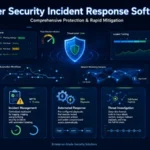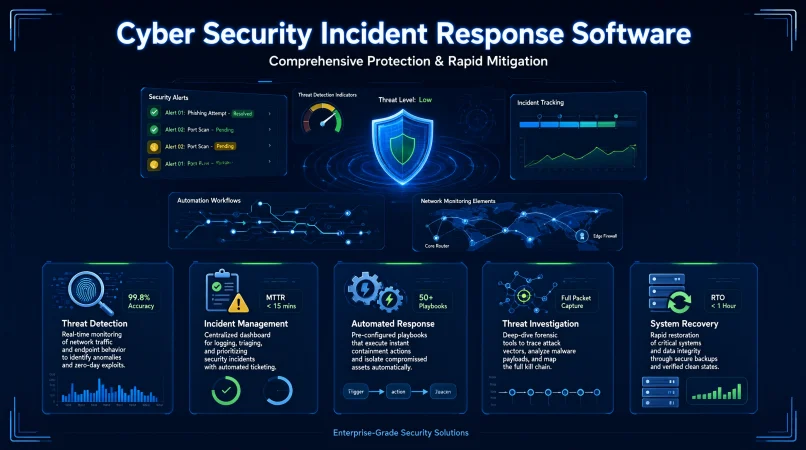
Cyber security incident response software helps organizations detect, investigate, manage, and recover from cyberattacks before they cause serious damage. The right solution makes security teams faster, more organized, and better prepared for unexpected threats.
Top alternatives: Incident response platforms, security incident management software, automated threat response tools, cyber threat detection software, security orchestration and response solutions.
Imagine discovering that your company’s network has been compromised, sensitive information is exposed, or suspicious activity is spreading across multiple systems. What happens next? Without the right security strategy, even a small incident can quickly become a major headache. That’s where cyber security incident response software makes a difference. These solutions help security teams identify threats, investigate suspicious activities, coordinate responses, and restore normal operations without wasting valuable time.
Whether you’re managing a growing business, protecting customer information, or handling enterprise-level security operations, having the right software can make cybersecurity much easier to manage. From automated threat detection to real-time incident tracking, modern platforms help organizations stay one step ahead of attackers. Let’s explore the features, benefits, and practical solutions that make incident response smarter and more effective.
1. Professional Cyber Security Incident Response Software Solutions
Professional security solutions help organizations manage cyber incidents through structured workflows, centralized monitoring, and coordinated response activities.
1. Build a stronger incident response strategy.
Example: When preparing a company’s cybersecurity operations for unexpected threats.
Meaning: Establishes a structured approach to handling security incidents.
2. Keep every security incident under control.
Example: When managing multiple security alerts across business departments.
Meaning: Helps teams organize incidents and prevent confusion.
3. Make cybersecurity operations more efficient.
Example: When security professionals want to reduce repetitive investigation tasks.
Meaning: Improves the efficiency of security management activities.
4. Centralize your incident management process.
Example: When different security teams need access to the same incident information.
Meaning: Brings security records and response activities into one location.
5. Improve visibility across your security environment.
Example: When monitoring endpoints, networks, and cloud infrastructure.
Meaning: Helps teams understand potential security problems more clearly.
6. Strengthen your organization’s digital defenses.
Example: When upgrading an existing business security strategy.
Meaning: Supports better protection against cyber threats.
7. Respond to security incidents with confidence.
Example: When introducing a new response platform to an IT department.
Meaning: Encourages organized and informed incident handling.
8. Keep security teams aligned and informed.
Example: When multiple analysts are investigating the same incident.
Meaning: Improves communication and collaboration.
9. Turn security alerts into actionable intelligence.
Example: When investigating suspicious login attempts.
Meaning: Helps analysts understand which alerts require attention.
10. Simplify complex incident response workflows.
Example: When replacing disconnected security management processes.
Meaning: Makes incident handling easier to coordinate.
11. Maintain better control over security operations.
Example: When overseeing an organization’s daily cybersecurity activities.
Meaning: Provides greater oversight of incident response work.
12. Prepare your business for emerging cyber threats.
Example: When reviewing security readiness before a new business expansion.
Meaning: Encourages proactive cybersecurity planning.
2. Automated Cyber Security Incident Response Software Features
Automation reduces repetitive work and helps security teams execute predefined actions when specific threats or incidents are identified.
1. Automate repetitive security tasks.
Example: When reducing manual work during routine security investigations.
Meaning: Allows teams to spend more time on important security decisions.
2. Respond to threats without unnecessary delays.
Example: When a confirmed malicious activity triggers an automated workflow.
Meaning: Helps reduce response delays through predefined actions.
3. Let automation handle routine alerts.
Example: When filtering familiar, low-risk security notifications.
Meaning: Reduces the workload associated with repetitive alerts.
4. Create smarter incident response workflows.
Example: When configuring automated steps for common security incidents.
Meaning: Makes response procedures more consistent.
5. Connect security tools for faster action.
Example: When integrating endpoint detection with incident management software.
Meaning: Improves coordination between security technologies.
6. Reduce manual investigation time.
Example: When collecting relevant information from multiple security systems.
Meaning: Speeds up evidence gathering and analysis.
7. Trigger predefined actions when threats appear.
Example: When isolating a confirmed compromised endpoint.
Meaning: Executes approved security actions based on established rules.
8. Keep incident response workflows moving.
Example: When automatically assigning investigation tasks to available analysts.
Meaning: Helps prevent incidents from becoming stuck in manual processes.
9. Improve consistency with automated playbooks.
Example: When responding to repeated phishing incidents.
Meaning: Ensures similar incidents follow standardized procedures.
10. Make security operations less repetitive.
Example: When automating routine ticket creation and alert enrichment.
Meaning: Reduces unnecessary administrative work.
11. Speed up security investigation processes.
Example: When automatically collecting logs after a suspicious event.
Meaning: Helps analysts access useful investigation data sooner.
12. Build a more responsive security environment.
Example: When introducing automation into a growing security operations center.
Meaning: Improves the organization’s ability to manage security events efficiently.
3. Real-Time Threat Detection and Incident Monitoring Responses
Real-time monitoring helps security teams identify suspicious activities and understand potential incidents before they escalate.
1. Spot suspicious activity as it happens.
Example: When monitoring unusual account behavior.
Meaning: Supports earlier identification of potential security threats.
2. Keep an eye on emerging cyber threats.
Example: When monitoring business networks throughout the day.
Meaning: Encourages continuous security awareness.
3. Identify unusual network behavior quickly.
Example: When investigating unexpected traffic between internal systems.
Meaning: Helps highlight potentially suspicious network activity.
4. Stay informed about critical security alerts.
Example: When reviewing high-priority notifications from monitoring systems.
Meaning: Keeps analysts aware of important security events.
5. Catch suspicious login patterns early.
Example: When several unsuccessful login attempts target an employee account.
Meaning: Helps identify possible unauthorized access attempts.
6. Monitor your digital environment continuously.
Example: When protecting cloud applications and company infrastructure.
Meaning: Supports ongoing security visibility.
7. Recognize potential threats before they escalate.
Example: When detecting unusual activity before it affects critical systems.
Meaning: Encourages early investigation and appropriate intervention.
8. Keep security alerts visible and organized.
Example: When managing notifications from multiple monitoring platforms.
Meaning: Makes important security information easier to review.
9. Track suspicious behavior across connected systems.
Example: When investigating activity involving multiple company devices.
Meaning: Helps analysts understand incidents across different environments.
10. Prioritize alerts that deserve immediate attention.
Example: When a security dashboard displays hundreds of notifications.
Meaning: Helps distinguish potentially serious threats from routine events.
11. Improve awareness of developing incidents.
Example: When monitoring an ongoing investigation.
Meaning: Provides better insight into incident progression.
12. Stay ahead of unexpected security events.
Example: When reviewing real-time threat monitoring capabilities.
Meaning: Supports proactive security management.
4. Confident Responses About Incident Investigation Software
Investigation capabilities help analysts examine security events, connect evidence, and understand how an incident developed.
1. Find the facts behind every security alert.
Example: When an organization needs to investigate a suspicious notification.
Meaning: Encourages evidence-based security decisions.
2. Follow the digital evidence, not assumptions.
Example: When determining whether an unusual login represents a genuine threat.
Meaning: Promotes accurate and informed investigations.
3. Understand how a security incident started.
Example: When investigating the entry point of a suspected cyberattack.
Meaning: Helps identify the possible origin of an incident.
4. Connect the dots across security events.
Example: When reviewing several related alerts from different systems.
Meaning: Helps reveal relationships between suspicious activities.
5. Investigate threats with greater clarity.
Example: When analysts need a complete view of an ongoing incident.
Meaning: Makes investigation information easier to understand.
6. Keep investigation evidence organized.
Example: When collecting logs and relevant incident records.
Meaning: Supports structured evidence management.
7. Understand the full scope of an attack.
Example: When checking which systems may have been affected.
Meaning: Helps determine the potential impact of a security incident.
8. Identify the source of suspicious activity.
Example: When tracing unusual access to a company application.
Meaning: Helps investigators identify possible sources of threats.
9. Turn scattered evidence into a clear picture.
Example: When reviewing information collected from multiple security products.
Meaning: Makes complex investigations easier to follow.
10. Investigate incidents without losing important details.
Example: When several analysts work on the same security case.
Meaning: Encourages accurate documentation throughout investigations.
11. Make informed decisions using security evidence.
Example: When deciding whether to escalate a suspicious event.
Meaning: Supports decisions based on available investigation findings.
12. Get a clearer understanding of every incident.
Example: When preparing a detailed incident investigation report.
Meaning: Helps teams communicate what happened and why.
5. Quick and Effective Incident Containment Responses
Containment focuses on limiting the spread and impact of a confirmed or suspected security incident.
1. Stop threats from spreading further.
Example: When a compromised device communicates with other systems.
Meaning: Emphasizes limiting the potential impact of an attack.
2. Protect critical systems during an incident.
Example: When an organization discovers suspicious activity involving important infrastructure.
Meaning: Prioritizes the protection of essential business operations.
3. Isolate compromised devices when necessary.
Example: When endpoint security confirms malicious activity on a workstation.
Meaning: Helps prevent an affected device from creating additional risks.
4. Contain incidents before they become bigger problems.
Example: When suspicious activity requires immediate investigation and intervention.
Meaning: Highlights the importance of timely containment.
5. Limit unauthorized access to business resources.
Example: When a compromised account may expose confidential information.
Meaning: Helps reduce the risk of further unauthorized activity.
6. Keep affected systems from creating additional damage.
Example: When malware activity is identified on a company network.
Meaning: Focuses on limiting the incident’s operational impact.
7. Take control of the situation with a clear plan.
Example: When security teams activate their incident response procedures.
Meaning: Encourages organized containment rather than rushed decisions.
8. Protect sensitive information during investigations.
Example: When suspicious access involves customer records.
Meaning: Prioritizes data protection while an incident is being handled.
9. Reduce the impact of active security threats.
Example: When responding to confirmed malicious network activity.
Meaning: Focuses on minimizing damage and exposure.
10. Keep incident containment organized.
Example: When multiple teams coordinate actions during a cyberattack.
Meaning: Improves communication and accountability.
11. Prevent one compromised system from affecting others.
Example: When investigating possible lateral movement within a network.
Meaning: Highlights the importance of limiting attacker movement.
12. Make containment part of your security strategy.
Example: When developing an organization’s incident response playbook.
Meaning: Encourages preparation before security incidents occur.
6. Enterprise-Level Cyber Security Incident Response Software
Large organizations need scalable solutions that support complex environments, multiple departments, and large volumes of security events.
1. Manage security incidents across your enterprise.
Example: When coordinating security activities across multiple office locations.
Meaning: Supports centralized incident management.
2. Bring enterprise security operations together.
Example: When different departments use separate monitoring systems.
Meaning: Encourages better coordination across the organization.
3. Scale your incident response as your business grows.
Example: When expanding security operations into new regions.
Meaning: Supports growing organizational requirements.
4. Maintain visibility across complex IT environments.
Example: When managing cloud, endpoint, and network infrastructure.
Meaning: Improves oversight across enterprise systems.
5. Coordinate security teams from one central platform.
Example: When analysts in different locations handle related incidents.
Meaning: Makes enterprise collaboration more manageable.
6. Standardize incident handling across departments.
Example: When implementing consistent response policies throughout a company.
Meaning: Encourages uniform security practices.
7. Manage high volumes of security incidents efficiently.
Example: When an enterprise security center receives thousands of alerts.
Meaning: Helps organizations organize large incident workloads.
8. Improve enterprise-wide security coordination.
Example: When IT, compliance, and security departments share incident responsibilities.
Meaning: Strengthens cross-department communication.
9. Support complex incident response requirements.
Example: When handling incidents involving several business systems.
Meaning: Helps manage investigations that require multiple teams.
10. Build a scalable security operations framework.
Example: When modernizing an enterprise security department.
Meaning: Creates a foundation for future security growth.
11. Keep enterprise incident records accessible.
Example: When managers need to review historical security cases.
Meaning: Supports centralized documentation and reporting.
12. Strengthen security management at every level.
Example: When introducing a company-wide incident response platform.
Meaning: Encourages consistent security oversight.
7. Budget-Friendly Cyber Security Incident Response Software
Cost matters, particularly for startups and small businesses that need effective security management without unnecessary expenses.
1. Get more value from your security investment.
Example: When comparing incident response platforms within a fixed budget.
Meaning: Encourages value-focused purchasing decisions.
2. Choose features that solve real security problems.
Example: When evaluating software for a small IT department.
Meaning: Helps avoid paying for unnecessary capabilities.
3. Build security operations around your budget.
Example: When planning cybersecurity spending for a growing business.
Meaning: Supports practical financial planning.
4. Start with essential incident response capabilities.
Example: When a startup is purchasing its first security platform.
Meaning: Prioritizes important features over unnecessary extras.
5. Avoid paying for features you never use.
Example: When comparing different software subscription packages.
Meaning: Encourages careful feature evaluation.
6. Find a solution that grows with your business.
Example: When choosing software for a small company expecting expansion.
Meaning: Helps avoid unnecessary platform replacement.
7. Make security spending more predictable.
Example: When reviewing subscription costs and licensing options.
Meaning: Supports better cybersecurity budgeting.
8. Compare pricing before making a commitment.
Example: When evaluating several incident response vendors.
Meaning: Encourages informed purchasing decisions.
9. Invest in capabilities that improve response time.
Example: When deciding whether workflow automation is worth the cost.
Meaning: Focuses spending on operational benefits.
10. Find the right balance between cost and protection.
Example: When comparing entry-level and enterprise security products.
Meaning: Encourages balanced purchasing decisions.
11. Keep your security strategy financially sustainable.
Example: When preparing an annual IT security budget.
Meaning: Supports long-term financial planning.
12. Choose software that delivers practical business value.
Example: When presenting a software purchase to company management.
Meaning: Connects software investment with business needs.
8. Compliance-Focused Security Incident Management Responses
Organizations handling sensitive information need incident management processes that support documentation, accountability, and applicable regulatory requirements.
1. Keep every incident properly documented.
Example: When preparing records for an internal compliance review.
Meaning: Encourages complete and organized incident documentation.
2. Make security reporting more straightforward.
Example: When preparing incident summaries for management.
Meaning: Simplifies communication about security events.
3. Maintain clear records of response activities.
Example: When documenting actions taken during a cybersecurity investigation.
Meaning: Supports accountability and traceability.
4. Support your organization’s compliance requirements.
Example: When evaluating software for a regulated business.
Meaning: Helps align incident management with applicable obligations.
5. Keep evidence organized for future reviews.
Example: When storing investigation records after an incident.
Meaning: Improves access to historical security information.
6. Track who handled each incident.
Example: When several analysts participate in one investigation.
Meaning: Establishes clearer responsibility for response activities.
7. Create consistent security documentation.
Example: When standardizing incident reports across departments.
Meaning: Improves documentation quality.
8. Improve accountability throughout incident management.
Example: When managers review how security cases were handled.
Meaning: Makes response responsibilities easier to evaluate.
9. Support audit-ready security records.
Example: When preparing evidence for an authorized security audit.
Meaning: Helps maintain accessible and organized records.
10. Keep incident timelines clear and traceable.
Example: When reviewing the sequence of actions during an attack.
Meaning: Helps establish what happened and when.
11. Connect incident response with risk management.
Example: When reviewing security incidents during a compliance assessment.
Meaning: Helps organizations understand and manage security risks.
12. Make compliance part of everyday security operations.
Example: When establishing company-wide incident management procedures.
Meaning: Encourages consistent security and compliance practices.
9. Collaborative Cybersecurity Incident Response Solutions
Incident response works best when security analysts, IT professionals, management, and other relevant teams communicate effectively.
1. Keep everyone on the same security page.
Example: When multiple departments are responding to one incident.
Meaning: Encourages shared understanding and coordination.
2. Bring your response team closer together.
Example: When security analysts work remotely from different locations.
Meaning: Improves collaboration during investigations.
3. Share important incident updates quickly.
Example: When new investigation findings become available.
Meaning: Keeps relevant team members informed.
4. Assign responsibilities without confusion.
Example: When an incident requires several different response tasks.
Meaning: Clarifies ownership and accountability.
5. Make teamwork part of your incident strategy.
Example: When developing a cross-functional response plan.
Meaning: Encourages collaboration instead of isolated decision-making.
6. Keep communication organized during security events.
Example: When managing updates during a serious cyber incident.
Meaning: Reduces misunderstandings between response teams.
7. Connect IT and security professionals.
Example: When a suspected breach requires infrastructure support.
Meaning: Helps technical departments work together.
8. Share investigation findings with the right people.
Example: When management needs an update about incident severity.
Meaning: Supports appropriate information sharing.
9. Make incident handovers easier.
Example: When one security analyst transfers an active case to another.
Meaning: Helps preserve investigation continuity.
10. Coordinate response actions from one place.
Example: When teams need to track assigned incident tasks.
Meaning: Simplifies collaboration and task management.
11. Keep response decisions transparent.
Example: When documenting why a particular containment action was taken.
Meaning: Encourages clear decision-making.
12. Turn individual security efforts into team success.
Example: When several departments contribute to incident recovery.
Meaning: Highlights the value of coordinated teamwork.
10. User-Friendly Cyber Security Incident Response Software
A platform should be easy to understand and navigate, especially when security professionals need to work quickly during an incident.
1. Make complex security tasks easier to manage.
Example: When introducing incident management software to new analysts.
Meaning: Reduces unnecessary complexity in daily operations.
2. Find important incident details without the confusion.
Example: When reviewing a security case through a centralized dashboard.
Meaning: Improves access to relevant information.
3. Keep your security dashboard simple and useful.
Example: When configuring a dashboard for daily monitoring.
Meaning: Prioritizes clarity and practical information.
4. Spend less time navigating between systems.
Example: When replacing several disconnected security applications.
Meaning: Reduces unnecessary switching between platforms.
5. Make incident tracking easier for everyone.
Example: When training a new security operations team.
Meaning: Supports smoother incident management.
6. Give analysts a clearer view of their workload.
Example: When managing multiple open security cases.
Meaning: Makes task prioritization easier.
7. Keep important information within reach.
Example: When reviewing incident history during an investigation.
Meaning: Improves information accessibility.
8. Simplify the security incident reporting process.
Example: When preparing reports for nontechnical managers.
Meaning: Makes reporting more approachable.
9. Create a smoother incident management experience.
Example: When selecting software for a growing security team.
Meaning: Focuses on usability and workflow efficiency.
10. Make everyday security management less complicated.
Example: When replacing outdated incident tracking methods.
Meaning: Helps simplify routine operations.
11. Help new analysts get comfortable faster.
Example: When onboarding employees into a security operations center.
Meaning: Encourages easier software adoption.
12. Choose clarity over unnecessary complexity.
Example: When comparing platforms with different dashboard designs.
Meaning: Prioritizes practical usability.
11. Advanced Threat Intelligence and Analysis Responses
Threat intelligence provides valuable context that helps organizations understand attacker behavior, emerging threats, and potential security risks.
1. Understand the threats targeting your organization.
Example: When reviewing threat intelligence reports.
Meaning: Improves awareness of relevant cybersecurity risks.
2. Use threat intelligence to support better decisions.
Example: When assessing whether an alert matches known malicious activity.
Meaning: Adds useful context to security investigations.
3. Connect suspicious activity with known threat patterns.
Example: When analyzing an unusual network connection.
Meaning: Helps investigators recognize potentially malicious behavior.
4. Stay informed about emerging attack techniques.
Example: When reviewing updated threat intelligence information.
Meaning: Encourages awareness of evolving cyber threats.
5. Understand attacker behavior more clearly.
Example: When investigating a suspected intrusion.
Meaning: Helps analysts examine how attackers may operate.
6. Turn threat information into practical security actions.
Example: When updating detection rules using relevant intelligence.
Meaning: Connects threat research with security operations.
7. Identify potential risks before they become incidents.
Example: When reviewing intelligence about vulnerabilities affecting company systems.
Meaning: Encourages preventive security measures.
8. Improve threat prioritization with better context.
Example: When determining which security alerts deserve investigation first.
Meaning: Helps analysts assess the importance of potential threats.
9. Keep your threat intelligence relevant and updated.
Example: When reviewing external intelligence feeds.
Meaning: Supports informed threat monitoring.
10. Understand how cyber threats are evolving.
Example: When reviewing trends in phishing and ransomware activity.
Meaning: Encourages awareness of changing attack methods.
11. Make security investigations more intelligence-driven.
Example: When combining internal logs with external threat information.
Meaning: Supports more informed investigations.
12. Strengthen your response with better threat awareness.
Example: When updating incident response procedures using threat research.
Meaning: Helps organizations prepare for relevant security risks.
12. Cloud and Endpoint Security Incident Response Solutions
Modern organizations operate across cloud platforms, employee devices, servers, and remote networks. Incident response software should support the environments that need protection.
1. Protect your cloud environment from security threats.
Example: When monitoring suspicious activity in cloud applications.
Meaning: Supports cloud security monitoring and incident management.
2. Keep endpoints visible during investigations.
Example: When reviewing suspicious behavior on employee laptops.
Meaning: Helps analysts investigate endpoint-related incidents.
3. Manage security incidents across connected devices.
Example: When monitoring company computers and mobile endpoints.
Meaning: Improves visibility across device environments.
4. Bring cloud and endpoint security information together.
Example: When investigating activity involving cloud accounts and workstations.
Meaning: Helps analysts connect related security events.
5. Improve visibility across remote work environments.
Example: When employees access company systems from different locations.
Meaning: Supports security monitoring beyond office networks.
6. Track suspicious activity across cloud services.
Example: When investigating unexpected changes to cloud resources.
Meaning: Helps identify potentially unauthorized actions.
7. Respond to endpoint incidents with a clear workflow.
Example: When an endpoint detection platform identifies malicious activity.
Meaning: Supports organized endpoint incident management.
8. Secure important business data across environments.
Example: When managing incidents involving cloud storage and internal systems.
Meaning: Emphasizes consistent data protection.
9. Keep remote infrastructure under better control.
Example: When managing security across distributed company networks.
Meaning: Improves operational visibility.
10. Connect endpoint alerts with incident investigations.
Example: When an endpoint alert needs additional analysis.
Meaning: Helps security teams investigate device-related threats.
11. Manage cloud security events more efficiently.
Example: When reviewing alerts from several cloud applications.
Meaning: Simplifies cloud incident tracking.
12. Build a security strategy for modern infrastructure.
Example: When upgrading security operations for a hybrid workplace.
Meaning: Encourages protection across different technology environments.
13. Proactive Cyber Security Incident Prevention Responses
Although incident response focuses on handling security events, preparation and preventive measures can reduce the likelihood and impact of future incidents.
1. Prepare before the next cyber incident happens.
Example: When reviewing an organization’s emergency response procedures.
Meaning: Encourages proactive security planning.
2. Turn security lessons into stronger defenses.
Example: When reviewing recommendations after an incident.
Meaning: Uses previous experiences to improve security.
3. Identify weaknesses before attackers find them.
Example: When reviewing vulnerabilities in business infrastructure.
Meaning: Encourages early risk identification.
4. Build a response plan that actually works.
Example: When testing an organization’s incident response procedures.
Meaning: Focuses on practical preparation.
5. Make cybersecurity readiness a regular priority.
Example: When scheduling routine security reviews.
Meaning: Encourages continuous security improvement.
6. Reduce future risks through better preparation.
Example: When updating security controls after an investigation.
Meaning: Supports preventive security practices.
7. Learn from every security incident.
Example: When conducting a post-incident review.
Meaning: Turns previous incidents into opportunities for improvement.
8. Keep your response procedures ready for action.
Example: When reviewing incident response playbooks.
Meaning: Ensures teams understand their responsibilities.
9. Test your security strategy before it is needed.
Example: When conducting a simulated phishing or incident response exercise.
Meaning: Helps identify weaknesses in response procedures.
10. Improve security awareness across your organization.
Example: When training employees to recognize suspicious messages.
Meaning: Encourages responsible cybersecurity behavior.
11. Make prevention and response work together.
Example: When combining vulnerability management with incident response planning.
Meaning: Creates a more complete security approach.
12. Stay prepared for threats you haven’t seen yet.
Example: When reviewing emerging cybersecurity risks.
Meaning: Encourages adaptable security planning.
14. Recovery and Post-Incident Management Responses
After containing a cyber incident, organizations must investigate its impact, remove remaining threats, restore operations, and identify opportunities for improvement.
1. Get business operations back on track.
Example: When restoring services after a security incident.
Meaning: Focuses on business recovery.
2. Recover affected systems with a clear plan.
Example: When restoring a compromised server from a verified backup.
Meaning: Encourages structured system recovery.
3. Make sure threats are removed before restoration.
Example: When checking systems for remaining malicious activity.
Meaning: Helps prevent reinfection during recovery.
4. Keep recovery activities organized.
Example: When coordinating IT teams after a ransomware incident.
Meaning: Improves recovery management.
5. Understand the damage before moving forward.
Example: When assessing the impact of a data breach.
Meaning: Encourages proper incident impact assessment.
6. Document what happened and what changed.
Example: When preparing a post-incident report.
Meaning: Preserves important lessons and investigation findings.
7. Restore services without overlooking security.
Example: When bringing affected business applications back online.
Meaning: Balances operational recovery with security requirements.
8. Learn what worked and what needs improvement.
Example: When reviewing the team’s response after an attack.
Meaning: Encourages continuous improvement.
9. Keep stakeholders informed during recovery.
Example: When providing updates about restored business services.
Meaning: Supports transparent communication.
10. Turn incident recovery into future readiness.
Example: When updating security procedures after a major incident.
Meaning: Uses recovery experience to improve future preparedness.
11. Close incidents with complete documentation.
Example: When finalizing an investigation in the incident management system.
Meaning: Ensures important records are preserved.
12. Come back stronger after every security challenge.
Example: When presenting lessons learned to company leadership.
Meaning: Encourages resilience and long-term improvement.
15. Smart Responses for Choosing the Best Cyber Security Incident Response Software
Choosing software requires more than comparing feature lists. Organizations should consider their infrastructure, security requirements, team size, integration needs, and budget.
1. Choose software that fits your security requirements.
Example: When comparing platforms for a growing organization.
Meaning: Prioritizes business-specific needs.
2. Look beyond the features on the pricing page.
Example: When reviewing the actual capabilities of different vendors.
Meaning: Encourages deeper product evaluation.
3. Check integration options before making a decision.
Example: When confirming compatibility with existing security systems.
Meaning: Helps prevent integration problems.
4. Prioritize software that supports your response workflow.
Example: When evaluating incident management capabilities.
Meaning: Focuses on practical operational requirements.
5. Compare automation capabilities carefully.
Example: When selecting a security orchestration platform.
Meaning: Helps determine whether automation meets your needs.
6. Make scalability part of your buying decision.
Example: When purchasing software for a rapidly expanding business.
Meaning: Considers future organizational growth.
7. Evaluate reporting and documentation features.
Example: When comparing platforms for a compliance-focused organization.
Meaning: Prioritizes visibility and recordkeeping.
8. Understand the vendor’s support options.
Example: When reviewing technical assistance and service agreements.
Meaning: Helps assess long-term vendor reliability.
9. Test the platform before committing.
Example: When requesting a product demonstration or trial.
Meaning: Allows teams to evaluate real-world usability.
10. Consider the experience of your security team.
Example: When selecting software for analysts with different skill levels.
Meaning: Makes usability an important purchasing factor.
11. Balance security capabilities with total ownership costs.
Example: When reviewing licensing, implementation, and maintenance expenses.
Meaning: Encourages a complete cost assessment.
12. Choose a platform that supports long-term security goals.
Example: When presenting a final software recommendation to management.
Meaning: Connects the purchase with the organization’s future security strategy.
FAQs
What is cyber security incident response software?
It helps organizations detect, investigate, manage, contain, and recover from cyber incidents.
Why is incident response software important?
It improves coordination, speeds up investigations, and helps reduce the impact of security incidents.
What are the main features of incident response software?
Common features include incident tracking, alert management, automation, reporting, and investigation workflows.
Is cyber security incident response software suitable for small businesses?
Yes, many solutions offer scalable features suitable for small businesses and growing organizations.
What is the difference between SIEM and incident response software?
SIEM collects and analyzes security data, while incident response software helps manage investigation and response activities.
Can incident response software automatically stop cyberattacks?
Some platforms automate approved containment actions, but human oversight is often essential.
What does SOAR mean in cybersecurity?
SOAR stands for Security Orchestration, Automation, and Response.
What is the difference between SOAR and SIEM?
SIEM focuses on collecting and analyzing security events, while SOAR coordinates and automates response workflows.
Can incident response software help with ransomware?
Yes, it can support detection, investigation, containment, recovery, and incident documentation.
Is incident response software useful for cloud security?
Yes, suitable platforms help investigate and manage security incidents across cloud environments.
What should businesses consider before choosing software?
Consider integrations, automation, scalability, reporting, usability, vendor support, and total cost.
Is incident response software the same as antivirus?
No, antivirus focuses on detecting and blocking malware, while incident response software manages broader security incidents.
What is an incident response playbook?
It is a documented set of procedures that guides teams through specific types of security incidents.
Does incident response software replace a security team?
No, it supports security professionals but does not replace human expertise and decision-making.
How can organizations measure incident response performance?
They can track detection time, response time, containment time, recovery time, and incident trends.
Conclusion
Cybersecurity threats aren’t slowing down, so having a reliable incident response strategy matters more than ever. The right cyber security incident response software can help organizations detect suspicious activity, coordinate investigations, automate routine tasks, and recover from security incidents more effectively.
However, choosing the right platform isn’t just about finding the longest feature list. It’s about understanding your business requirements, evaluating integrations, and selecting capabilities that genuinely improve your security operations.
Whether you’re running a small business or managing enterprise infrastructure, preparation makes a difference. Save this guide, share it with your security team, and use these insights to make smarter cybersecurity decisions. Stay prepared, stay informed, and keep your digital environment protected