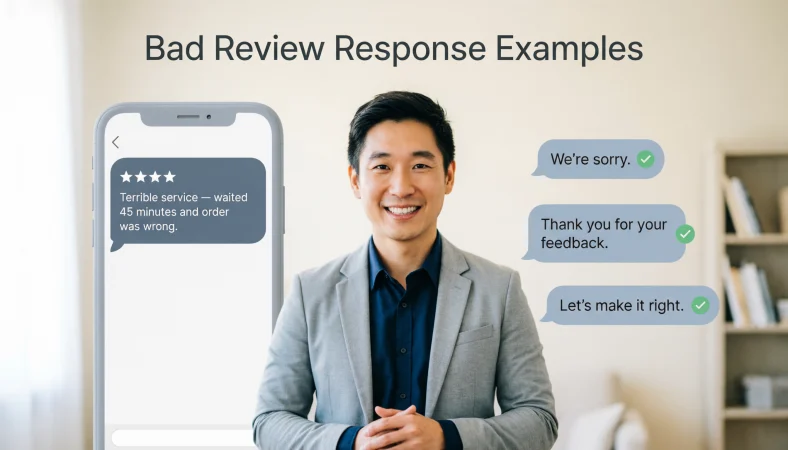
Quick Answer: A bad review response should acknowledge the customer’s concern, show empathy, and offer a helpful next step without sounding defensive. The best reply protects your business reputation while showing future customers that you genuinely care.
Top alternatives: Thank you for your feedback, We apologize for your experience, We appreciate you bringing this to our attention, We’d love to make things right, Please contact us so we can help.
A negative review can sting, especially when you have worked hard to build your business. One unhappy customer leaves a comment, and suddenly you are staring at your screen, wondering whether to apologize, explain yourself, or simply close the browser.
Whether you run a restaurant, manage an online store, offer professional services, or handle customer support, a thoughtful bad review response can make a meaningful difference. Customers often pay attention to how businesses handle complaints, not just the complaints themselves. A calm, helpful reply can show that you listen, take concerns seriously, and want to improve.
The trick is to respond without getting defensive or sounding like a copy-and-paste customer service robot. Sometimes you need a professional apology; other times, you need a brief, firm response to an unfair claim. These ready-to-use examples will help you choose the right words for different situations and protect your brand’s reputation without unnecessary drama.
1. Professional Bad Review Responses
Professional responses are ideal when you want to acknowledge a complaint, maintain credibility, and show potential customers that your business takes feedback seriously.
- Thank you for sharing your feedback. We’re sorry we fell short of your expectations.
Example: Use this when a customer reports an unsatisfactory experience with your service.
Meaning: You acknowledge the complaint and accept that the experience could have been better. - We appreciate your feedback and take your concerns seriously.
Example: Use this when responding to a detailed complaint about your business.
Meaning: You want the customer to know their concerns matter. - We’re sorry your experience didn’t meet the standard we aim to provide.
Example: Use this after a customer complains about inconsistent service quality.
Meaning: You recognize the gap between expectations and the actual experience. - Thank you for bringing this matter to our attention.
Example: Use this when a review highlights an issue your team needs to investigate.
Meaning: You appreciate being informed and intend to take the concern seriously. - We value your feedback and will use it to identify areas for improvement.
Example: Use this when a customer points out a recurring service problem.
Meaning: You view constructive criticism as an opportunity to improve. - We apologize for the inconvenience and appreciate your patience.
Example: Use this when a customer experienced a delay or service disruption.
Meaning: You express regret for the inconvenience caused. - We’re committed to providing a better experience moving forward.
Example: Use this when a complaint reveals a genuine weakness in your service.
Meaning: You communicate your intention to improve future experiences. - Your feedback helps us understand where we can do better.
Example: Use this when acknowledging a reasonable complaint about your operations.
Meaning: You show that customer feedback can guide practical improvements. - We regret that our service did not meet your expectations.
Example: Use this for a formal response to a dissatisfied client.
Meaning: You express professional regret without making unsupported promises. - We would appreciate the opportunity to address your concerns directly.
Example: Use this when a complaint needs more discussion than a public reply allows.
Meaning: You invite further communication to resolve the matter. - Thank you for your patience while we review what happened.
Example: Use this when your team needs time to investigate a complaint.
Meaning: You communicate that the issue is being reviewed rather than ignored. - We appreciate the opportunity to learn from this experience.
Example: Use this when closing a response to a constructive negative review.
Meaning: You demonstrate accountability and a willingness to improve.
2. Polite Bad Review Responses
Polite replies work well when you want to keep things friendly, avoid unnecessary conflict, and acknowledge a customer’s disappointment.
- We’re sorry to hear that your experience wasn’t what you hoped for.
Example: Use this when a customer expresses general disappointment.
Meaning: You recognize their dissatisfaction without arguing. - Thank you for letting us know about your experience.
Example: Use this when you want to acknowledge a complaint warmly.
Meaning: You appreciate the customer taking time to share feedback. - We understand your frustration and appreciate you sharing it with us.
Example: Use this when a customer is upset about a service issue.
Meaning: You acknowledge their emotions and invite a constructive exchange. - We’re sorry things didn’t go as smoothly as expected.
Example: Use this when a booking, order, or appointment went wrong.
Meaning: You express regret in a natural, approachable way. - We appreciate your honest feedback and will take it into consideration.
Example: Use this when someone provides useful criticism.
Meaning: You show respect for their opinion. - We’re grateful you brought this to our attention.
Example: Use this when a customer identifies a problem your team overlooked.
Meaning: You communicate appreciation rather than defensiveness. - We’re sorry we didn’t deliver the experience you deserved.
Example: Use this when a customer reasonably expected better service.
Meaning: You recognize that their expectations were not met. - We’d welcome the chance to improve your experience.
Example: Use this when you are willing to offer a reasonable resolution.
Meaning: You invite the customer to continue the conversation. - Your concerns matter to us, and we’re sorry for the disappointment.
Example: Use this when a customer feels overlooked or let down.
Meaning: You reassure them that their feedback is important. - Thank you for your patience and understanding.
Example: Use this when responding after a service disruption has been addressed.
Meaning: You express appreciation for the customer’s cooperation. - We appreciate your perspective and are sorry we missed the mark.
Example: Use this when a customer describes an experience that fell short.
Meaning: You accept their perspective without making excuses. - We hope you’ll give us another opportunity to serve you better.
Example: Use this when you genuinely want a dissatisfied customer to return.
Meaning: You express hope for rebuilding the customer’s trust.
3. Apologetic Bad Review Responses
A sincere apology can help rebuild trust when your business made a mistake or failed to deliver what it promised.
- We’re genuinely sorry for the experience you had.
Example: Use this when a customer reports a clearly disappointing interaction.
Meaning: You express sincere regret without minimizing their experience. - We apologize for letting you down.
Example: Use this when your service failed to meet a reasonable expectation.
Meaning: You take responsibility for the disappointment. - We’re sorry for the inconvenience this caused you.
Example: Use this after a delayed order, missed appointment, or booking error.
Meaning: You acknowledge the practical impact of the problem. - You deserved a smoother experience, and we’re sorry we didn’t deliver it.
Example: Use this when your process caused unnecessary frustration.
Meaning: You recognize that the customer should have received better service. - We apologize for the mistake and appreciate your understanding.
Example: Use this when your team has confirmed an error occurred.
Meaning: You acknowledge the mistake and express regret. - We’re sorry your concerns weren’t addressed sooner.
Example: Use this when a customer received a delayed response to a complaint.
Meaning: You recognize that the handling of the issue was inadequate. - We understand how disappointing this must have been, and we apologize.
Example: Use this when an issue significantly affected a customer’s plans.
Meaning: You show empathy and acknowledge the disappointment. - We should have handled this better, and we’re sorry.
Example: Use this when your team made an avoidable service mistake.
Meaning: You accept responsibility instead of making excuses. - We’re sorry we didn’t meet the expectations we set.
Example: Use this when your marketing or service promise did not match delivery.
Meaning: You recognize the difference between what was promised and what happened. - Please accept our apologies for the frustration this caused.
Example: Use this in a formal reply to a customer who experienced repeated problems.
Meaning: You offer a respectful apology for their frustration. - We regret the inconvenience and are reviewing how this happened.
Example: Use this when you need to investigate a confirmed service failure.
Meaning: You combine an apology with a commitment to examine the issue. - We’re sorry, and we’d appreciate the chance to make this right.
Example: Use this when a customer deserves a practical follow-up or correction.
Meaning: You apologize and invite a reasonable path toward resolution.
4. Short and Simple Bad Review Responses
Sometimes a concise reply is best, especially when you manage several reviews and need to acknowledge concerns without writing an essay.
- We’re sorry to hear this.
Example: Use this for a brief acknowledgment of a disappointing experience.
Meaning: You express regret without adding unnecessary detail. - Thank you for your honest feedback.
Example: Use this when acknowledging a negative review on a public platform.
Meaning: You appreciate the customer sharing their opinion. - We apologize for the inconvenience.
Example: Use this for a complaint involving a delay or minor service problem.
Meaning: You recognize the inconvenience caused. - We’re sorry we missed the mark.
Example: Use this when your service fell short of expectations.
Meaning: You admit the experience could have been better. - We appreciate you letting us know.
Example: Use this when a customer reports a problem that needs attention.
Meaning: You acknowledge their effort to provide feedback. - Your feedback matters to us.
Example: Use this when you want a short but caring response.
Meaning: You communicate that customer opinions are important. - We’ll review your concerns carefully.
Example: Use this when the complaint needs internal investigation.
Meaning: You indicate that the matter deserves consideration. - We’re working to improve.
Example: Use this when the review identifies an area for improvement.
Meaning: You show a commitment to progress. - We’re sorry you were disappointed.
Example: Use this when a customer expresses dissatisfaction without specific details.
Meaning: You acknowledge their disappointment. - We’d like to help resolve this.
Example: Use this when a follow-up conversation could lead to a solution.
Meaning: You show willingness to help. - Thank you for bringing this up.
Example: Use this when a customer points out an overlooked problem.
Meaning: You appreciate the feedback. - We hope to serve you better next time.
Example: Use this when you want to encourage a future visit.
Meaning: You express a desire to improve the customer’s next experience.
5. Responses to Unfair or Misleading Bad Reviews
When a review appears inaccurate, respond with facts and professionalism. Avoid personal attacks, and never disclose private customer information in a public reply.
- We’re sorry to hear this was your impression. We’d welcome the chance to clarify what happened.
Example: Use this when a review appears to misunderstand your service.
Meaning: You remain respectful while opening the door to clarification. - We take feedback seriously and would appreciate more details about your experience.
Example: Use this when the review lacks enough information to investigate.
Meaning: You ask for context without accusing the reviewer of dishonesty. - Our understanding of the situation differs, and we’d be happy to discuss it privately.
Example: Use this when your records suggest a different sequence of events.
Meaning: You signal a disagreement without escalating the conflict. - We aim to be transparent and would welcome the opportunity to review this with you.
Example: Use this when a public complaint includes disputed details.
Meaning: You demonstrate openness to checking the facts. - We couldn’t identify the details needed to investigate this review. Please contact our team directly.
Example: Use this when the review does not identify an order or appointment.
Meaning: You request information needed for a fair investigation. - We’d like to understand your concerns more clearly before drawing conclusions.
Example: Use this when the complaint is vague or incomplete.
Meaning: You show that you want to understand the situation before responding further. - We appreciate your perspective, although some details may need clarification.
Example: Use this when the review contains claims your team cannot verify.
Meaning: You acknowledge the review while leaving room for factual correction. - We’d welcome a direct conversation to better understand what happened.
Example: Use this when the disagreement cannot be resolved in a public comment.
Meaning: You encourage a more productive discussion. - We strive to represent our services accurately and would be glad to review your concerns.
Example: Use this when a review misstates a service offering.
Meaning: You protect your credibility while remaining open to feedback. - We take these concerns seriously and will look into the details.
Example: Use this when a review raises claims that require verification.
Meaning: You commit to checking the facts rather than reacting emotionally. - We respect your right to share feedback and would appreciate the chance to clarify the issue.
Example: Use this when you disagree with the review but want to remain courteous.
Meaning: You respect the customer’s opinion while inviting clarification. - We’d prefer to address the specifics directly so we can respond accurately.
Example: Use this when public replies risk revealing sensitive information.
Meaning: You move the discussion toward a more appropriate private channel.
6. Funny Bad Review Responses
Humor can make a brand feel approachable, but use it carefully. A lighthearted reply works best for minor issues when the customer is not seriously upset.
- Well, this wasn’t the five-star plot twist we hoped for.
Example: Use this when your brand has a playful personality and the issue is minor.
Meaning: You acknowledge the disappointing outcome with gentle humor. - Looks like we missed our moment to shine.
Example: Use this after a small service mishap.
Meaning: You admit that the experience was not your best. - Our goal was a happy customer, not an unexpected adventure.
Example: Use this when a routine visit became inconvenient.
Meaning: You recognize the customer’s frustration in a lighthearted way. - Not our finest episode, and we hear you.
Example: Use this when your brand uses casual, entertainment-inspired language.
Meaning: You admit the experience fell short while showing that you listened. - We’d love a redo on this one.
Example: Use this when a customer had a disappointing but fixable experience.
Meaning: You want another chance to get things right. - That wasn’t the experience we had in mind, either.
Example: Use this when a minor mishap surprised both the customer and your team.
Meaning: You acknowledge that the outcome was not what you intended. - Our five-star dreams took a little detour here.
Example: Use this when replying to a lighthearted complaint about a small mistake.
Meaning: You recognize the disappointing result without becoming defensive. - We missed the assignment, and we’re ready to learn.
Example: Use this when your audience enjoys internet-style humor.
Meaning: You admit the shortcoming while showing a willingness to improve. - This review deserves a better sequel from us.
Example: Use this when you genuinely hope to improve a returning customer’s experience.
Meaning: You want the next interaction to be more successful. - We aimed for smooth sailing and delivered a few waves.
Example: Use this when a minor delay or inconvenience affected a customer’s visit.
Meaning: You recognize that things did not go as planned. - Our customer-service cape clearly needed ironing today.
Example: Use this when a small service lapse fits your playful brand voice.
Meaning: You acknowledge that your service could have been sharper. - Let’s see if we can turn this plot twist into a better ending.
Example: Use this when inviting a customer to discuss a fixable problem.
Meaning: You offer a positive path forward without dismissing the complaint.
7. Firm but Respectful Bad Review Responses
A firm response is useful when you need to set boundaries, correct a misunderstanding, or protect your team while remaining professional.
- We welcome constructive feedback and are committed to respectful communication.
Example: Use this when a review includes insulting language.
Meaning: You encourage useful criticism while establishing a respectful standard. - We’re happy to investigate concerns supported by specific details.
Example: Use this when the complaint is too vague to verify.
Meaning: You request actionable information rather than speculating. - We take every concern seriously and respond based on the available facts.
Example: Use this when the review makes disputed claims.
Meaning: You communicate a fair, evidence-based approach. - We’d appreciate the opportunity to discuss this matter respectfully.
Example: Use this when a public exchange is becoming hostile.
Meaning: You invite a calmer conversation. - Our team deserves respectful communication, just as our customers do.
Example: Use this when a complaint includes personal attacks on employees.
Meaning: You support your staff while maintaining professional standards. - We cannot verify this account from the information provided, but we’re open to reviewing it.
Example: Use this when the reviewer has provided insufficient details.
Meaning: You avoid accepting or rejecting an unverified claim prematurely. - We aim to resolve genuine concerns fairly and consistently.
Example: Use this when explaining how your business handles complaints.
Meaning: You emphasize fairness rather than making exceptions based on pressure. - We’d prefer to focus on the facts and identify a practical solution.
Example: Use this when a discussion becomes argumentative.
Meaning: You redirect the exchange toward resolving the issue. - We respect your opinion, and we also want to ensure the details are accurate.
Example: Use this when a review contains a potentially incorrect statement.
Meaning: You balance respect with a commitment to accuracy. - We remain available to address specific concerns through the appropriate channel.
Example: Use this when further discussion should happen privately.
Meaning: You leave the door open without continuing a public argument. - We understand your dissatisfaction, but we’d like to clarify a few details.
Example: Use this when your records contradict part of the complaint.
Meaning: You acknowledge the customer’s feelings while seeking accuracy. - Our priority is a fair resolution, not a public back-and-forth.
Example: Use this when repeated comments are no longer productive.
Meaning: You establish a boundary and encourage a constructive next step.
8. Empathetic Bad Review Responses
Empathy is especially valuable when a complaint reflects stress, wasted time, disappointment, or an experience that affected the customer personally.
- We understand how frustrating this must have been.
Example: Use this when a customer describes a stressful service failure.
Meaning: You acknowledge their frustration. - We’re sorry this experience caused you so much disappointment.
Example: Use this when expectations were high and the result was poor.
Meaning: You recognize the emotional impact of the experience. - We can understand why you expected better from us.
Example: Use this when a loyal customer reports declining service quality.
Meaning: You acknowledge the customer’s reasonable expectations. - Your time matters, and we’re sorry we didn’t respect it as we should have.
Example: Use this after a long wait or a missed appointment.
Meaning: You recognize that the inconvenience affected the customer’s time. - We know this wasn’t the experience you planned for.
Example: Use this when a booking or order disrupted someone’s plans.
Meaning: You recognize the difference between what the customer expected and what happened. - We’re sorry you left feeling unheard.
Example: Use this when a customer says their concerns were ignored.
Meaning: You acknowledge that the customer did not feel listened to. - We appreciate you explaining how this affected you.
Example: Use this when a review describes the consequences of a mistake.
Meaning: You show that you value the customer’s perspective. - You should have felt supported, and we’re sorry you didn’t.
Example: Use this when a customer received inadequate assistance.
Meaning: You recognize that the support provided was insufficient. - We understand that trust matters, and we’re sorry we disappointed you.
Example: Use this when a returning customer feels let down.
Meaning: You recognize the importance of preserving customer trust. - We’re listening, and we appreciate you being honest with us.
Example: Use this when a customer shares candid feedback about your service.
Meaning: You show openness rather than defensiveness. - We’re sorry this created extra stress when things should have been simple.
Example: Use this when a preventable issue complicated an ordinary task.
Meaning: You recognize the additional burden caused. - We’d like to understand your experience and see how we can help.
Example: Use this when the customer’s needs are not yet clear.
Meaning: You combine empathy with a practical offer of assistance.
9. Bad Review Responses for Restaurants
Restaurant reviews often mention food quality, waiting times, cleanliness, service, or value. A specific, thoughtful response is more effective than a generic apology.
- We’re sorry your meal didn’t meet your expectations.
Example: Use this when a guest complains about food quality.
Meaning: You acknowledge dissatisfaction with the meal. - Thank you for your feedback about the waiting time.
Example: Use this when a diner reports slow service.
Meaning: You recognize the concern and identify the issue directly. - We’re sorry the service felt disappointing during your visit.
Example: Use this when a guest reports inattentive staff.
Meaning: You acknowledge the service problem without blaming an individual employee. - Fresh food and a welcoming experience are important to us, and we’re sorry we fell short.
Example: Use this when a restaurant receives criticism about food and hospitality.
Meaning: You reinforce your standards while accepting the disappointing experience. - We appreciate you letting us know about the issue with your order.
Example: Use this when a guest receives the wrong dish.
Meaning: You acknowledge the specific problem. - We’re sorry your visit wasn’t as enjoyable as it should have been.
Example: Use this when a diner reports several small frustrations.
Meaning: You recognize that the overall experience was unsatisfactory. - We take cleanliness concerns seriously and would appreciate more details.
Example: Use this when a review raises a hygiene concern that needs investigation.
Meaning: You show that the issue deserves prompt attention. - We’re sorry we didn’t provide the warm hospitality we aim for.
Example: Use this when a guest complains about the welcome or staff attitude.
Meaning: You acknowledge a shortfall in hospitality. - We understand that value matters, and we’re sorry you felt disappointed.
Example: Use this when a diner questions portion sizes or pricing.
Meaning: You recognize the customer’s concerns about value. - Thank you for pointing out the delay; we’ll review how service flowed that day.
Example: Use this when multiple guests may have experienced a long wait.
Meaning: You indicate that the restaurant will investigate its service process. - We’d appreciate the chance to welcome you back for a better experience.
Example: Use this when you genuinely want to regain a dissatisfied guest’s trust.
Meaning: You invite the customer to consider another visit. - Please contact our team so we can learn more about your visit.
Example: Use this when the complaint requires details that are not public.
Meaning: You invite a private conversation to help resolve the matter.
10. Bad Review Responses for Online Stores
Online shoppers often complain about shipping, product descriptions, damaged items, returns, or customer support. Address the exact issue and avoid promising a refund or replacement before confirming the facts.
- We’re sorry your order didn’t arrive as expected.
Example: Use this when a customer reports an issue with their delivery.
Meaning: You acknowledge the disappointing order experience. - We’re sorry the item didn’t meet your expectations.
Example: Use this when a product disappoints a customer.
Meaning: You recognize that the purchase did not satisfy their needs. - Thank you for flagging the issue with your order.
Example: Use this when a customer receives an incorrect item.
Meaning: You acknowledge the problem and show willingness to investigate. - We understand how frustrating delivery delays can be.
Example: Use this when a customer complains about late shipping.
Meaning: You empathize with the inconvenience caused by the delay. - We’re sorry the product description wasn’t as clear as it should have been.
Example: Use this when a listing may have created incorrect expectations.
Meaning: You acknowledge a possible communication problem. - We’d like to review the details and help you understand the available options.
Example: Use this when a customer questions a return or refund decision.
Meaning: You offer assistance without promising an outcome prematurely. - We’re sorry your item arrived damaged.
Example: Use this when a shopper reports a damaged delivery.
Meaning: You recognize the condition of the product caused disappointment. - Thank you for sharing your concerns about our packaging.
Example: Use this when a customer says their order was poorly packaged.
Meaning: You acknowledge a possible improvement in fulfillment. - We understand you expected a smoother shopping experience.
Example: Use this when checkout, delivery, or support caused problems.
Meaning: You recognize the customer’s overall dissatisfaction. - We’re sorry you had difficulty reaching our support team.
Example: Use this when a shopper reports unanswered emails or calls.
Meaning: You acknowledge a communication failure. - Please contact our support team with your order details so we can investigate.
Example: Use this when resolving the complaint requires order-specific information.
Meaning: You guide the customer toward a useful next step. - Your feedback helps us improve the shopping experience for everyone.
Example: Use this when a review identifies a recurring checkout or fulfillment problem.
Meaning: You show how customer feedback can support improvements.
11. Bad Review Responses for Service-Based Businesses
For salons, repair services, agencies, contractors, and consultants, customers may judge punctuality, communication, quality, and reliability. Keep the response relevant to the service provided.
- We’re sorry our service didn’t meet your expectations.
Example: Use this when a client is unhappy with the final result.
Meaning: You acknowledge that the service fell short. - We apologize for the delay and appreciate your patience.
Example: Use this when a technician or consultant arrived late.
Meaning: You recognize the inconvenience caused by the delay. - Clear communication matters to us, and we’re sorry we fell short.
Example: Use this when a client complains about poor updates.
Meaning: You accept that communication could have been better. - We’d like to review the work completed and understand your concerns.
Example: Use this when a customer disputes the quality of a repair or project.
Meaning: You invite a review of the actual service delivered. - We’re sorry the final result wasn’t what you expected.
Example: Use this when a client is unhappy with a finished project.
Meaning: You recognize the gap between expectations and the outcome. - We appreciate your feedback about our scheduling process.
Example: Use this when a client reports difficulty arranging an appointment.
Meaning: You acknowledge a concern with scheduling. - We understand the importance of reliability and regret the inconvenience.
Example: Use this when a missed appointment disrupts a customer’s day.
Meaning: You recognize that reliability is central to good service. - Thank you for raising your concerns about the quality of our work.
Example: Use this when a customer questions workmanship.
Meaning: You show that the complaint will be considered seriously. - We’d appreciate the chance to discuss the next steps with you.
Example: Use this when the service may need correction or follow-up.
Meaning: You invite a practical discussion about resolution. - We’re sorry the experience felt more complicated than it should have.
Example: Use this when your process caused confusion or extra work.
Meaning: You acknowledge unnecessary difficulty. - Your trust matters, and we’d like to address the concerns you’ve shared.
Example: Use this when a client questions your professionalism or reliability.
Meaning: You prioritize rebuilding confidence. - We welcome the opportunity to learn from this and improve our service.
Example: Use this when a review identifies a genuine weakness in your process.
Meaning: You communicate a willingness to make improvements.
12. Bad Review Responses for Google Reviews
Google reviews are public, so your response can influence both the reviewer and potential customers. Keep it concise, personal, and focused on the issue.
- Thank you for your feedback. We’re sorry your experience fell short.
Example: Use this when replying to a general negative Google review.
Meaning: You acknowledge the complaint and express regret. - We appreciate you taking the time to share your concerns.
Example: Use this when a customer leaves a detailed review.
Meaning: You recognize the effort behind their feedback. - We’re sorry we didn’t deliver the experience you expected.
Example: Use this when a review describes disappointing service.
Meaning: You acknowledge that the experience missed the mark. - We’d love to learn more about your visit and address your concerns.
Example: Use this when a review lacks enough detail to identify the issue.
Meaning: You invite further discussion. - Your feedback is important, and we’re reviewing the issue you’ve raised.
Example: Use this when the review identifies a problem that needs investigation.
Meaning: You show that the complaint is being considered. - We’re sorry for the inconvenience and appreciate the opportunity to improve.
Example: Use this when a review identifies a service problem.
Meaning: You express regret and a desire to improve. - Thank you for bringing this to our attention. We’d like to help.
Example: Use this when a reviewer describes a fixable issue.
Meaning: You acknowledge the problem and offer assistance. - We’re disappointed to hear we missed the mark and would welcome a conversation.
Example: Use this when the customer may benefit from a direct follow-up.
Meaning: You express regret and encourage communication. - We take your concerns seriously and would like to understand the details.
Example: Use this when the review raises a significant complaint.
Meaning: You show that the concern deserves a closer look. - We’re sorry this visit didn’t reflect the experience we strive to provide.
Example: Use this when a customer reports inconsistent service.
Meaning: You distinguish the poor experience from your intended standard. - We’d appreciate the chance to earn back your confidence.
Example: Use this when a returning customer leaves an unfavorable review.
Meaning: You express a desire to rebuild trust. - Thank you for your feedback. We hope to provide a better experience next time.
Example: Use this when closing a brief response to a negative review.
Meaning: You acknowledge the feedback and express hope for improvement.
13. Bad Review Responses for Loyal or Returning Customers
A negative review from a regular customer deserves extra care because it may reflect a change in service or an expectation built through previous positive experiences.
- We’re especially sorry to hear we disappointed a valued returning customer.
Example: Use this when a regular customer reports a poor experience.
Meaning: You recognize the importance of the existing relationship. - We appreciate your continued support and regret letting you down.
Example: Use this when a loyal customer complains about a recent visit.
Meaning: You value their loyalty and acknowledge the disappointment. - This isn’t the experience we want you to associate with us.
Example: Use this when a repeat customer reports inconsistent quality.
Meaning: You recognize that the experience does not reflect your intended standard. - We’re sorry we didn’t deliver the consistency you’ve come to expect.
Example: Use this when service quality has changed from previous visits.
Meaning: You acknowledge the customer’s established expectations. - Thank you for being honest with us about what went wrong.
Example: Use this when a longtime customer provides direct criticism.
Meaning: You appreciate their willingness to share concerns. - Your trust means a great deal to us, and we’d like to rebuild it.
Example: Use this when a complaint has damaged the customer’s confidence.
Meaning: You prioritize restoring the relationship. - We understand why this experience felt disappointing after your previous visits.
Example: Use this when a loyal customer compares recent service with past experiences.
Meaning: You acknowledge the contrast between previous satisfaction and current disappointment. - We’re sorry this visit didn’t reflect the quality you’ve experienced before.
Example: Use this when a previously satisfied customer reports a decline in quality.
Meaning: You recognize an inconsistency. - We’d appreciate the opportunity to make your next experience better.
Example: Use this when a customer may be willing to return.
Meaning: You invite another chance to deliver better service. - Thank you for giving us the chance to learn from your feedback.
Example: Use this when a regular customer points out a recurring problem.
Meaning: You value their feedback as an opportunity to improve. - We don’t take your support for granted, and we’re sorry we disappointed you.
Example: Use this when a loyal customer feels overlooked.
Meaning: You reassure them that their relationship matters. - We hope we can provide the dependable experience you deserve.
Example: Use this when responding to a loyal customer who experienced a service failure.
Meaning: You express a desire to restore consistency.
14. Creative and Brand-Friendly Bad Review Responses
Creative replies help businesses with distinctive personalities sound more human. Use these examples when they fit your brand voice and the seriousness of the complaint.
- Every great story has a chapter to improve, and we’re working on ours.
Example: Use this when your brand has a warm, storytelling style.
Meaning: You frame feedback as a chance to improve. - We’d rather turn this into a learning moment than leave you disappointed.
Example: Use this when a complaint reveals a correctable problem.
Meaning: You prioritize improvement over defensiveness. - Our goal is a great experience, and this wasn’t the ending we wanted.
Example: Use this when a customer’s experience ended poorly.
Meaning: You acknowledge the disappointing outcome. - Consider this feedback received, reflected on, and taken seriously.
Example: Use this when your brand voice is concise and confident.
Meaning: You communicate that the review will not be ignored. - We’re always looking for ways to make the next visit better.
Example: Use this when a customer shares constructive feedback about a visit.
Meaning: You show an ongoing commitment to improvement. - A better experience starts with listening, and we’re listening.
Example: Use this when the customer wants their concerns acknowledged.
Meaning: You emphasize the importance of listening before acting. - We missed the moment, but we’d welcome the chance to improve the next one.
Example: Use this when the issue was limited to one visit or interaction.
Meaning: You admit the shortcoming and look toward improvement. - Your feedback gives us a clearer picture of where we can grow.
Example: Use this when the review identifies a weakness in your service.
Meaning: You treat feedback as useful information. - We believe every customer interaction should leave a better impression than this.
Example: Use this when your brand emphasizes customer experience.
Meaning: You acknowledge that the review reflects an undesirable outcome. - We’re taking this feedback to heart and looking at what needs to change.
Example: Use this when a complaint may require process improvements.
Meaning: You show that the feedback may lead to action. - The experience matters as much as the promise, and we know that.
Example: Use this when your brand makes strong service commitments.
Meaning: You recognize the importance of delivering on expectations. - We’d love to make your next chapter with us a better one.
Example: Use this when inviting a disappointed customer to return.
Meaning: You offer a hopeful path toward rebuilding the relationship.
15. Responses to Fake, Spam, or Suspicious Bad Reviews
Some reviews may be mistaken, irrelevant, or suspicious. Do not accuse someone of posting a fake review without evidence. Respond neutrally, document the issue, and use the platform’s reporting process when appropriate.
- We can’t match this review to an experience in our records, but we’d welcome clarification.
Example: Use this when your team cannot identify the customer or transaction.
Meaning: You request details without accusing the reviewer of dishonesty. - We take feedback seriously and would appreciate more information about your visit.
Example: Use this when the review provides no identifiable details.
Meaning: You invite the reviewer to provide context. - We’d be happy to look into this if you can share additional details privately.
Example: Use this when your team needs information to investigate the claim.
Meaning: You offer a reasonable way to verify the complaint. - We want to ensure every concern is reviewed fairly and accurately.
Example: Use this when the review appears inconsistent with available information.
Meaning: You emphasize fairness and factual accuracy. - We couldn’t verify the experience described, but we’re open to reviewing further details.
Example: Use this when the review cannot be confirmed from your records.
Meaning: You explain the limitation without making an unsupported accusation. - Please contact our team directly so we can better understand your concerns.
Example: Use this when a review lacks identifying information.
Meaning: You encourage a private follow-up. - We value genuine customer feedback and take concerns about accuracy seriously.
Example: Use this when you suspect a review may contain incorrect information.
Meaning: You reinforce your commitment to reliable feedback. - We’d appreciate the opportunity to confirm the details before responding further.
Example: Use this when the claims require verification.
Meaning: You avoid jumping to conclusions. - Our team is reviewing this feedback to determine the appropriate next steps.
Example: Use this when a review requires internal assessment.
Meaning: You communicate that the matter is being examined. - We aim to keep our responses factual, fair, and respectful.
Example: Use this when a suspicious review invites a heated public exchange.
Meaning: You establish a calm standard for communication. - We couldn’t identify the transaction mentioned, so additional information would help us investigate.
Example: Use this when an online store cannot match a review to an order.
Meaning: You explain what is needed to investigate the claim. - Thank you for raising this. We’ll review the available information before taking further action.
Example: Use this when your business needs to assess a questionable review.
Meaning: You commit to checking the facts before deciding what to do.
FAQs
What Is a Bad Review Response?
A bad review response is a public reply to negative customer feedback that acknowledges concerns and offers a constructive next step.
What Is the Best Response to a Bad Review?
Thank the reviewer, acknowledge the issue, apologize when appropriate, and explain how they can contact you to resolve it.
How Do You Respond to a Bad Review Professionally?
Stay calm, address the specific concern, avoid arguing, and offer a reasonable way to follow up.
What Does a Bad Review Response Mean Emotionally?
It can communicate empathy, accountability, respect, and a genuine willingness to rebuild customer trust.
Can a Bad Review Response Be Flirty?
Usually not for business reviews. Keep the tone professional unless playful language clearly fits your brand and the situation.
What Should You Say If You Don’t Mean an Apology?
Avoid insincere apologies. Acknowledge the customer’s concern and offer to investigate the facts fairly.
Is Humor Appropriate in a Bad Review Response?
Sometimes. Use gentle humor only for minor issues when it won’t dismiss the customer’s frustration.
Should You Respond to Every Negative Review?
Respond to meaningful complaints when possible, prioritizing specific concerns, serious issues, and opportunities to resolve problems.
How Long Should a Bad Review Response Be?
Aim for two to five sentences that address the concern, show empathy, and explain the next step.
Should You Argue With a Customer in a Review Response?
No. Keep the response factual and respectful, and move detailed disagreements to a private conversation.
How Do You Respond to a One-Star Review With No Comment?
Thank the reviewer for their feedback, express regret that their experience fell short, and invite them to share more details.
Can a Good Response Help Your Business Reputation?
Yes. A thoughtful reply can demonstrate accountability and help potential customers understand how you handle problems.
Conclusion
A bad review doesn’t have to define your business. What matters is how you respond, what you learn, and whether you make a genuine effort to improve the customer experience. The right words can turn a tense public moment into an opportunity to show professionalism, empathy, and accountability.
Use these bad review response examples as a starting point, then personalize each reply to fit the customer’s concern and your brand’s voice. Avoid copy-and-paste apologies when a specific response would be more helpful, and never let frustration dictate your public comments.
Save this list for your next difficult review, share it with your team, and keep your replies calm, clear, and customer-focused. Every response is another chance to make a better impression.