Quick Answer: The best Replies to I am sick depend on how close you are to the person and the mood of the conversation. You can be caring, funny, flirty, sweet, or simply supportive without making things awkward.Get well soon, Take care of yourself, What happened?, I’m here if you need anything, Sending you healing vibes.
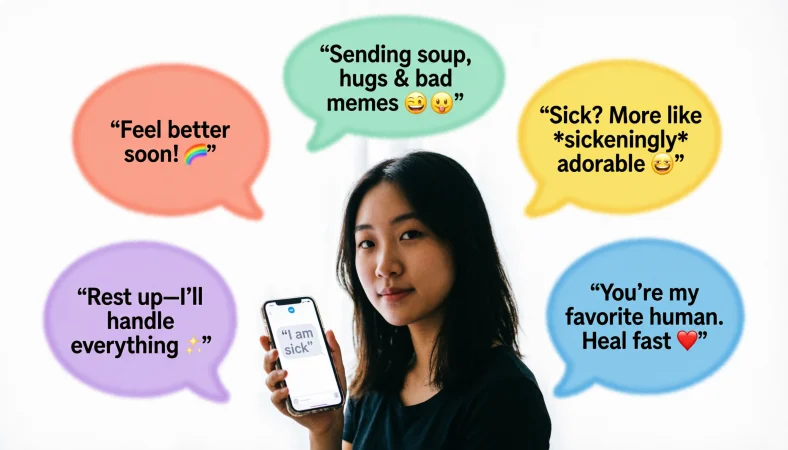
When someone texts “I am sick,” the conversation suddenly needs a little more care. Whether it comes from your best friend, a family member, coworker, someone you like, or a crush sliding into your DMs, your response can say a lot about how much you care. A dry “okay” can sound colder than an empty fridge, while an overly dramatic response can make the situation feel uncomfortable. The best Replies to I am sick strike the right balance between concern, warmth, humor, and genuine support. Sometimes they need a little encouragement, sometimes they need a laugh, and sometimes they simply need to know someone is thinking about them. From caring texts to playful one-liners and flirty messages, these responses give you plenty of natural ways to answer without sounding repetitive or forced.
Funny Responses
- Uh-oh, who gave you permission to get sick?
Use this when a close friend tells you they are feeling unwell.
Meaning: You are showing concern through playful teasing. - Your immune system really called in sick too.
Use this when you want to make your friend laugh.
Meaning: You are joking about their body taking a day off. - Great, now I have to send you imaginary soup.
Use this when you cannot physically visit them.
Meaning: You want to show care in a humorous way. - Please report to the couch immediately.
Use this when encouraging someone to rest.
Meaning: You are jokingly ordering them to take it easy. - Being sick was not on today’s schedule.
Use this when someone suddenly feels ill.
Meaning: You are playfully treating their illness like an unexpected interruption. - Your body really said, “Let’s cancel everything.”
Use this when their illness has ruined their plans.
Meaning: You are making light of the situation while acknowledging it. - Okay, drama queen, now go rest.
Use this only with someone who enjoys playful teasing.
Meaning: You are combining affection with a humorous reminder to recover. - Prescription: blankets, water, and absolutely no nonsense.
Use this when you want to give simple supportive advice humorously.
Meaning: You want them to rest and look after themselves. - I’m sending you one deluxe get-well package, emotionally.
Use this when you cannot send an actual care package.
Meaning: You are jokingly offering virtual support. - Looks like today’s main character is your immune system.
Use this when someone is making jokes about being sick.
Meaning: You are turning their situation into a playful story. - Get well before I start charging you for worrying me.
Use this with someone close to you.
Meaning: You are humorously expressing genuine concern. - Rest up, tiny patient. Your only job is recovering.
Use this when you want to sound caring and playful.
Meaning: You want them to stop stressing and focus on feeling better.
Caring Responses
- I’m sorry you’re feeling sick. Please take good care of yourself.
Use this when you want to show sincere concern.
Meaning: You genuinely care about their well-being. - Get plenty of rest and don’t push yourself too hard.
Use this when someone is trying to continue their normal routine.
Meaning: You want them to prioritize recovery. - I hope you feel much better soon.
Use this when you want a simple caring message.
Meaning: You are wishing them a quick recovery. - Take it easy today and give yourself time to recover.
Use this when they seem exhausted.
Meaning: You are encouraging them to slow down. - I’m sorry you’re going through that. I hope tomorrow is easier.
Use this when their illness seems to be making their day difficult.
Meaning: You are offering emotional support and optimism. - Please look after yourself and get some proper rest.
Use this when someone tends to ignore their own needs.
Meaning: You are reminding them that recovery comes first. - I hope you’re getting everything you need to feel better.
Use this when you cannot be there physically.
Meaning: You are checking that they are taking care of themselves. - Sending you lots of good thoughts today.
Use this when you want to offer gentle encouragement.
Meaning: You want them to feel supported. - Don’t worry about anything else right now. Focus on feeling better.
Use this when they are stressed about responsibilities.
Meaning: You want them to put their health and rest first. - I wish I could do something to make your day easier.
Use this when you care deeply but cannot visit.
Meaning: You genuinely want to help. - Make sure you’re staying comfortable and getting enough rest.
Use this when someone tells you they feel under the weather.
Meaning: You are showing practical concern. - Take care of yourself, okay? I’m rooting for you.
Use this when you want to end the conversation warmly.
Meaning: You are reassuring them that they have your support.
Flirty Responses
- Now I have an excuse to check on you all day.
Use this when a crush tells you they are sick.
Meaning: You are using their situation as a playful reason to stay connected. - Get better soon, I need my favorite person back.
Use this when you already have a close romantic connection.
Meaning: You are affectionately saying you miss their usual energy. - If I were there, I’d make sure you were properly taken care of.
Use this when the conversation already has romantic chemistry.
Meaning: You are offering affectionate support with a flirtatious undertone. - Being sick looks terrible on you. Get well immediately.
Use this when playful teasing fits your relationship.
Meaning: You are flirting by pretending to complain about their illness. - I guess I’ll have to send you some extra attention.
Use this when you want a subtle flirt.
Meaning: You are suggesting that they deserve your attention while recovering. - Rest up, because I’m expecting that smile back soon.
Use this when you want to sound caring and romantic.
Meaning: You miss seeing them happy and energetic. - I’d prescribe one visit from me if I could.
Use this when you want to hint at meeting them.
Meaning: You are playfully suggesting that your company would cheer them up. - You better recover quickly. I’m not done bothering you yet.
Use this when you have a teasing relationship with someone you like.
Meaning: You want the connection to continue. - Need a personal nurse? I might know someone.
Use this when you want cheeky flirting without getting too serious.
Meaning: You are jokingly offering yourself as their caretaker. - I hope you feel better soon, because I miss your attention.
Use this when you want to be more direct.
Meaning: Their absence has made you miss interacting with them. - Get some rest, cutie.
Use this when affectionate nicknames are already comfortable between you.
Meaning: You are showing warmth and attraction. - I’m officially volunteering to be your favorite distraction.
Use this when they are resting and open to playful texting.
Meaning: You want to cheer them up through conversation.
Polite Responses
- I’m sorry to hear that. I hope you feel better soon.
Use this when responding to an acquaintance or someone you do not know closely.
Meaning: You are showing basic kindness and concern. - Please take care of yourself and get plenty of rest.
Use this when you want to sound considerate.
Meaning: You are encouraging healthy rest and recovery. - I hope you have a quick and comfortable recovery.
Use this when you want a polished response.
Meaning: You are wishing them well in a respectful way. - Sorry you’re not feeling well. Take good care.
Use this in casual but respectful messages.
Meaning: You are expressing sympathy without overstepping. - Wishing you a speedy recovery.
Use this when you need a short and courteous reply.
Meaning: You hope they return to good health soon. - I hope you’re able to get some much-needed rest.
Use this when someone sounds tired or unwell.
Meaning: You are encouraging them to prioritize recovery. - That’s unfortunate. I hope you feel better soon.
Use this when you want to acknowledge their situation politely.
Meaning: You are expressing sympathy in a neutral way. - Please don’t hesitate to take some time to recover.
Use this when speaking to someone who feels guilty about resting.
Meaning: You are reassuring them that rest is important. - Take care and let yourself recover properly.
Use this when ending a supportive message.
Meaning: You want them to give themselves enough recovery time. - I’m sorry you’re dealing with that. Wishing you well.
Use this when you want to remain warm but formal.
Meaning: You are acknowledging their difficulty respectfully. - I hope you’re feeling better very soon.
Use this for a simple thoughtful reply.
Meaning: You are offering sincere good wishes. - Please rest up and take care of yourself.
Use this when you want to sound supportive without being overly personal.
Meaning: You are encouraging them to focus on recovery.
Professional Responses
- I’m sorry to hear that. Please take care and get some rest.
Use this when a coworker tells you they are sick.
Meaning: You are being supportive while maintaining professional boundaries. - I hope you feel better soon. Don’t worry about work right now.
Use this when a colleague is worried about unfinished tasks.
Meaning: You are encouraging them to prioritize their well-being. - Take the time you need to recover. Wishing you a speedy recovery.
Use this when responding to an employee or coworker.
Meaning: You are respectfully supporting their recovery. - Sorry you’re feeling unwell. I hope you’re able to rest today.
Use this in a professional chat or email.
Meaning: You are expressing concern in a workplace-appropriate way. - Please focus on getting better and take care of yourself.
Use this when a colleague wants to keep working while sick.
Meaning: You are reassuring them that their health matters. - I hope you’re back on your feet soon. Take care.
Use this when you have a friendly professional relationship.
Meaning: You are wishing them a quick recovery. - Wishing you a comfortable recovery. Please take care.
Use this when you want a polished workplace response.
Meaning: You are offering professional well wishes. - I’m sorry to hear you’re unwell. Let me know if anything needs attention.
Use this when you are working together on shared responsibilities.
Meaning: You are offering practical professional support. - Get some rest and don’t worry about responding immediately.
Use this when a sick colleague keeps checking messages.
Meaning: You are giving them permission to disconnect. - I hope you feel better soon. We can catch up when you’re feeling well.
Use this when a meeting or discussion can wait.
Meaning: You are removing pressure while remaining considerate. - Take care of yourself, and I hope your recovery goes smoothly.
Use this when you want a professional but warm message.
Meaning: You are expressing sincere concern without becoming overly personal. - Wishing you a quick recovery and an easier day ahead.
Use this when ending a workplace conversation.
Meaning: You are politely wishing them better health.
Creative Responses
- Sending a virtual blanket and a giant cup of comfort.
Use this when you want to make a caring message more memorable.
Meaning: You are offering warmth and comfort from a distance. - Today’s mission: rest, recover, repeat.
Use this when encouraging someone to slow down.
Meaning: You want recovery to be their main priority. - Your only appointment today is with your pillow.
Use this when someone needs to stop overworking themselves.
Meaning: You are playfully encouraging serious rest. - Consider this your official permission slip to do absolutely nothing.
Use this when they feel guilty about resting.
Meaning: You want them to relax without feeling unproductive. - May your blanket be warm and your recovery be quick.
Use this when you want a cozy supportive message.
Meaning: You are wishing them comfort and fast recovery. - Sending good vibes directly to your immune system.
Use this when you want a playful supportive text.
Meaning: You are humorously wishing their body strength. - Your body requested a timeout, so give it one.
Use this when someone is trying to stay busy while sick.
Meaning: You are encouraging them to listen to their body. - Today’s aesthetic: pajamas and absolutely no responsibilities.
Use this when someone needs a relaxing day.
Meaning: You want them to focus on comfort and rest. - May your recovery arc be short and your naps legendary.
Use this when you want to make them smile.
Meaning: You are wishing them a quick recovery and good rest. - Sending a little sunshine through the screen.
Use this when someone is feeling low while sick.
Meaning: You want to brighten their mood. - Your comeback season starts after the nap.
Use this when cheering up someone who feels miserable.
Meaning: You are reminding them that feeling better is ahead. - Rest now, return to your regularly scheduled greatness later.
Use this when motivating someone to recover.
Meaning: You are reminding them that they can get back to normal after resting.
Sarcastic Responses
- Oh good, because apparently you needed another reason to stay in bed.
Use this with a close friend who loves teasing.
Meaning: You are joking about their illness while still encouraging rest. - Perfect timing, your body clearly had other plans.
Use this when illness ruins someone’s schedule.
Meaning: You are sarcastically pointing out the inconvenient timing. - Well, that’s one way to cancel your plans.
Use this when their illness forces them to stay home.
Meaning: You are teasing them about their sudden cancellation. - Your immune system really chose today for a meeting.
Use this when they suddenly become sick.
Meaning: You are joking about their body interrupting their plans. - Fantastic. Exactly what your schedule needed.
Use this when illness arrives during a busy period.
Meaning: You are sarcastically highlighting the bad timing. - Clearly your body wanted a vacation.
Use this when someone needs to rest.
Meaning: You are humorously framing their illness as forced downtime. - And here I was thinking today would be normal.
Use this when the illness comes unexpectedly.
Meaning: You are playfully pretending their sickness ruined the day’s normality. - Your immune system said, “Not today, friend.”
Use this when joking with someone about getting sick.
Meaning: You are giving their immune system a humorous personality. - Well, congratulations on unlocking bed-rest mode.
Use this when someone needs to stay home and rest.
Meaning: You are joking about their new temporary routine. - Apparently your body subscribed to the inconvenience plan.
Use this when their sickness causes problems.
Meaning: You are making light of the frustrating timing. - Excellent choice by your immune system. Ten out of ten timing.
Use this when illness happens at the worst possible moment.
Meaning: You are using sarcasm to highlight how inconvenient it is. - Rest up before your body sends another complaint letter.
Use this when someone keeps ignoring their symptoms.
Meaning: You are teasing them into taking better care of themselves.
Cute Responses
- Aww, please take care of yourself.
Use this when someone you care about says they are sick.
Meaning: You are showing gentle affection and concern. - Get better soon, okay?
Use this when you want a short but affectionate message.
Meaning: You genuinely want them to recover quickly. - Sending you a big virtual hug.
Use this when you cannot physically comfort them.
Meaning: You are offering emotional warmth from a distance. - Rest those tired little bones.
Use this with someone who enjoys affectionate teasing.
Meaning: You are encouraging them to relax in a cute way. - Be extra gentle with yourself today.
Use this when someone is having a difficult sick day.
Meaning: You want them to prioritize comfort and self-care. - I hope something makes you smile today.
Use this when they are feeling miserable.
Meaning: You want to brighten their mood. - Sending you cozy thoughts.
Use this when you want a soft and comforting message.
Meaning: You are wishing them warmth and peace. - No overdoing it today, okay?
Use this when someone tends to ignore their need for rest.
Meaning: You want them to slow down and recover. - Get your blankets ready and let yourself rest.
Use this when you want to sound nurturing.
Meaning: You are encouraging comfort and relaxation. - Hope you wake up feeling like yourself again.
Use this when they are having a rough illness.
Meaning: You hope they quickly return to normal. - Sending you the biggest get-well wish.
Use this when you want an enthusiastic affectionate message.
Meaning: You are strongly expressing your hope that they recover. - Take care, sleepyhead.
Use this when they are resting a lot.
Meaning: You are combining affection with playful teasing.
Dramatic Responses
- Nooo, not you! This cannot be happening!
Use this when a close friend tells you they are sick.
Meaning: You are exaggerating your concern for humorous effect. - Who allowed this unfortunate development?
Use this when you want a dramatic reaction.
Meaning: You are jokingly treating their illness like a major event. - This is officially an emergency in my book.
Use this when someone you care about is unwell.
Meaning: You are playfully emphasizing how much you care. - The universe really needs to give you a break.
Use this when they have already had a difficult time recently.
Meaning: You feel they have dealt with enough problems. - Not the sickness arc! We were not ready!
Use this when you want internet-style humor.
Meaning: You are dramatically reacting to their unexpected illness. - Cancel everything. Operation Get Better starts now.
Use this when you want to encourage them to rest.
Meaning: You are jokingly turning recovery into a mission. - I refuse to accept this storyline.
Use this when someone close to you gets sick.
Meaning: You are humorously protesting their illness. - This chapter was definitely not approved by me.
Use this after hearing disappointing news about their health.
Meaning: You dislike seeing them go through this. - Someone needs to press the reset button immediately.
Use this when they feel particularly awful.
Meaning: You wish they could instantly feel better. - The recovery comeback better be legendary.
Use this when cheering them up.
Meaning: You are enthusiastically looking forward to their recovery. - I demand a full recovery by tomorrow. Respectfully.
Use this with a close friend who appreciates dramatic jokes.
Meaning: You are playfully expressing how badly you want them better. - Sending emergency levels of good vibes.
Use this when you want a dramatic but positive message.
Meaning: You are enthusiastically showing support.
Chill And Casual Responses
- Ah, that sucks. Hope you feel better soon.
Use this with a friend who wants a casual response.
Meaning: You are acknowledging their situation without making it heavy. - Damn, take it easy.
Use this when someone needs to slow down.
Meaning: You are casually encouraging them to rest. - Get some rest and you’ll hopefully feel better soon.
Use this when giving simple encouragement.
Meaning: You are wishing them recovery without overcomplicating things. - Oh no, take care of yourself.
Use this when you want a natural supportive reply.
Meaning: You are showing basic concern. - That’s rough. Hope you’re okay.
Use this when someone seems uncomfortable.
Meaning: You are checking on their well-being casually. - Rest up and take it easy today.
Use this when someone is trying to stay busy.
Meaning: You want them to relax. - Hope you’re feeling better soon.
Use this when you need a quick response.
Meaning: You are wishing them a fast recovery. - Get cozy and just chill for a while.
Use this when they are stuck at home sick.
Meaning: You are encouraging them to relax. - Take care, dude.
Use this with a close friend.
Meaning: You are showing casual concern. - Ugh, that’s the worst. Rest up.
Use this when they are complaining about feeling sick.
Meaning: You empathize while keeping the mood relaxed. - Hope tomorrow treats you better.
Use this when their current day has been difficult.
Meaning: You are offering simple optimism. - Take the day off from being productive.
Use this when they feel guilty about resting.
Meaning: You are telling them that downtime is okay.
Confident Responses
- You’ve got this. Take care of yourself and bounce back strong.
Use this when someone needs encouragement.
Meaning: You believe they can get through the difficult moment. - Rest now and come back stronger.
Use this when motivating someone who hates slowing down.
Meaning: You frame recovery as preparation for returning to normal. - Your only task right now is getting better.
Use this when they are worrying about responsibilities.
Meaning: You want them to focus confidently on recovery. - Take your time. You’ll be back in your element soon.
Use this when someone feels frustrated about being sick.
Meaning: You are reassuring them that their normal energy will return. - Listen to your body and give it what it needs.
Use this when someone is pushing themselves too hard.
Meaning: You encourage sensible self-care. - You’ll get through this. Just slow down for now.
Use this when they feel discouraged.
Meaning: You are offering reassurance and confidence. - Rest is part of the comeback.
Use this when someone dislikes taking breaks.
Meaning: You are reframing rest as productive recovery. - Handle today gently, then get back to your goals.
Use this when someone is frustrated about missing plans.
Meaning: You want them to recover without abandoning their ambitions. - Your body needs recovery, not pressure.
Use this when they are being hard on themselves.
Meaning: You are encouraging a healthier mindset. - Take care of yourself now. Everything else can wait.
Use this when responsibilities are stressing them out.
Meaning: You are confidently prioritizing their well-being. - You’ll be back to your usual self soon enough.
Use this when someone is feeling discouraged.
Meaning: You are giving them positive reassurance. - Rest like you mean it. Recovery comes first.
Use this when someone needs permission to slow down.
Meaning: You want them to fully prioritize getting better.
Emotional Responses
- I’m really sorry you’re feeling this way.
Use this when someone sounds genuinely miserable.
Meaning: You are validating their discomfort. - I wish I could be there to make things easier for you.
Use this when you are far away from someone you care about.
Meaning: You wish you could provide direct comfort. - Please don’t feel like you have to handle everything alone.
Use this when they are struggling emotionally as well as physically.
Meaning: You are offering emotional support. - I hate knowing you’re not feeling well.
Use this when someone close to you is sick.
Meaning: Their discomfort genuinely affects you. - I hope you know I’m thinking about you.
Use this when you cannot do much physically.
Meaning: You want them to feel remembered and cared for. - I’m here if you need someone to talk to.
Use this when they seem lonely while sick.
Meaning: You are offering emotional availability. - Take all the time you need to feel like yourself again.
Use this when they are frustrated about slow recovery.
Meaning: You are giving them patience and reassurance. - You don’t have to pretend you’re okay with me.
Use this when they are minimizing how bad they feel.
Meaning: You are giving them permission to be honest. - I hope today gets a little gentler for you.
Use this when their day has been particularly difficult.
Meaning: You are wishing them emotional and physical relief. - I’m thinking of you and hoping things improve soon.
Use this when you want to show sincere support.
Meaning: You genuinely care about their recovery. - Please be kind to yourself while you’re recovering.
Use this when someone is frustrated with their limitations.
Meaning: You want them to practice patience with themselves. - You matter more than whatever you’re missing today.
Use this when they are worried about falling behind.
Meaning: You are reminding them that their well-being is more important than productivity.
Sweet Responses
- I’m sending you lots of love and good wishes.
Use this when someone close to you is feeling unwell.
Meaning: You want them to feel supported and cared for. - I hope you wake up feeling much better tomorrow.
Use this when they are sick at night.
Meaning: You are ending the conversation with hopeful encouragement. - Take good care of yourself for me.
Use this when you share a close bond.
Meaning: You are expressing affectionate concern. - Sending you warm thoughts and a big smile.
Use this when you want to brighten their mood.
Meaning: You are offering emotional warmth. - I hope you get the rest your body is asking for.
Use this when someone needs to slow down.
Meaning: You want them to prioritize proper rest. - You deserve a quiet, cozy day of recovery.
Use this when someone has been overworking themselves.
Meaning: You want them to relax without guilt. - I hope you feel a little stronger every hour.
Use this when encouraging someone through recovery.
Meaning: You are wishing for gradual improvement. - Sending you a gentle reminder to take care of yourself.
Use this when they tend to neglect their needs.
Meaning: You are showing care without sounding controlling. - I’m keeping my fingers crossed for a quick recovery.
Use this when you want to sound optimistic.
Meaning: You are hoping they feel better soon. - Rest well and let tomorrow be a better day.
Use this when they are exhausted at the end of the day.
Meaning: You are offering comfort and hope. - You’re in my thoughts today. Take care.
Use this when you want a sincere but simple message.
Meaning: You want them to know they are not forgotten. - Sending you the sweetest get-well wishes.
Use this when you want a warm and affectionate response.
Meaning: You are expressing genuine kindness toward them.
Clever Responses
- Looks like your body has officially requested a maintenance day.
Use this when someone needs to rest.
Meaning: You are cleverly framing illness as necessary downtime. - Your immune system is currently doing overtime.
Use this when they are dealing with an illness.
Meaning: You are humorously acknowledging their body’s effort. - Today’s productivity goal: recovering.
Use this when someone feels guilty about resting.
Meaning: You are reframing recovery as an important task. - Consider yourself temporarily out of office, biologically speaking.
Use this when a coworker or friend is sick.
Meaning: You are making a clever joke about taking time off. - Your body just hit the pause button. Listen to it.
Use this when someone keeps trying to stay active.
Meaning: You are encouraging them to respect their need for rest. - The schedule can wait. Your recovery cannot.
Use this when responsibilities are making them anxious.
Meaning: You are emphasizing that health deserves priority. - Official diagnosis: you need a serious amount of rest.
Use this with someone who appreciates dry humor.
Meaning: You are playfully recommending that they slow down. - Your immune system has entered its character-development era.
Use this when you want a modern humorous response.
Meaning: You are turning an unpleasant situation into a playful story. - Today’s algorithm clearly needed an update.
Use this when their body suddenly stops cooperating.
Meaning: You are humorously describing their illness as a system issue. - Recovery mode activated. Productivity mode suspended.
Use this when someone needs permission to rest.
Meaning: You are cleverly telling them to pause their usual responsibilities. - Your body sent a notification. Please read it.
Use this when someone keeps ignoring symptoms.
Meaning: You are encouraging them to pay attention to their body’s needs. - Rest is not wasted time when your body is asking for it.
Use this when someone feels unproductive while sick.
Meaning: You are reminding them that recovery is worthwhile.
Supportive Responses
- Whatever you need, I’m here.
Use this when someone close to you is sick and may need help.
Meaning: You are offering dependable support. - Let me know if I can make anything easier for you.
Use this when you want to offer practical help.
Meaning: You are making yourself available without pressure. - You focus on resting. I’ll worry about the rest.
Use this when you are close enough to help with responsibilities.
Meaning: You want them to concentrate on recovery. - You don’t need to reply quickly. Just take care of yourself.
Use this when someone is sick but still trying to text.
Meaning: You are removing pressure from the conversation. - If you need company, even virtually, I’m around.
Use this when someone may feel lonely.
Meaning: You are offering companionship from a distance. - Take today slowly. There’s no rush.
Use this when they are anxious about falling behind.
Meaning: You want them to give themselves time. - I’ve got your back while you recover.
Use this when you have a close relationship.
Meaning: You are promising emotional or practical support. - Rest first, everything else can be figured out later.
Use this when they are overwhelmed by responsibilities.
Meaning: You want them to prioritize recovery. - If you need anything, just ask. Seriously.
Use this when you want to make your offer feel genuine.
Meaning: You are sincerely available to help. - Take care of yourself and don’t feel guilty about resting.
Use this when someone struggles to take time off.
Meaning: You are reassuring them that rest is completely valid. - I’m checking in because I care, so keep me updated when you can.
Use this when someone close to you is unwell.
Meaning: You want to stay informed because their well-being matters to you. - For now, just breathe, rest, and let yourself recover.
Use this when someone seems overwhelmed by being sick.
Meaning: You are encouraging calmness and patience.
FAQs
What Does “I Am Sick” Mean?
“I am sick” usually means the person is feeling physically unwell. Depending on context, it can also be a way of saying they need rest, support, or understanding.
Can “I Am Sick” Have A Flirty Meaning?
Usually, the phrase is not inherently flirty. However, when a crush says it, the message can create an opportunity for affectionate, playful, or caring conversation.
What Is A Good Flirty Reply To “I Am Sick”?
Try “Now I have an excuse to check on you all day” or “If I were there, I’d make sure you were properly taken care of.”
What Is A Professional Reply To “I Am Sick”?
Keep it respectful and supportive. “I’m sorry to hear that. Please take care and get some rest” works well in most workplace situations.
What If I Don’t Actually Mean It When I Say I’m Concerned?
Keep your response polite rather than pretending to feel deeply emotional. Something simple like “Sorry to hear that. Hope you feel better soon” is enough.
Is Humor Appropriate When Someone Says They Are Sick?
Yes, if you know the person well and they enjoy humor. Avoid jokes when they sound seriously unwell or are clearly looking for emotional support.
What Should I Say If Someone Says They Feel Really Bad?
Lead with empathy. A response like “I’m really sorry you’re feeling this bad. Please rest and let me know if you need anything” is warm and supportive.
Should I Ask What Happened?
If you are close to the person, asking “What happened?” or “What’s wrong?” can show genuine interest. With coworkers or acquaintances, it may be better to simply wish them well.
Conclusion
When someone says “I am sick,” your response can be more meaningful than you realize. A thoughtful message can make someone feel cared for, while a funny one can bring a much-needed smile to a rough day. The key is matching your response to the relationship and the situation. Use caring replies when they need comfort, playful lines when they need cheering up, and professional responses when workplace boundaries matter. You do not need a perfect sentence either. Sometimes a simple “Take care, I’m here if you need me” says everything. Save this list for your next text, share your favorite responses with a friend, and use whichever line fits the moment best. A little kindness can go a surprisingly long way!