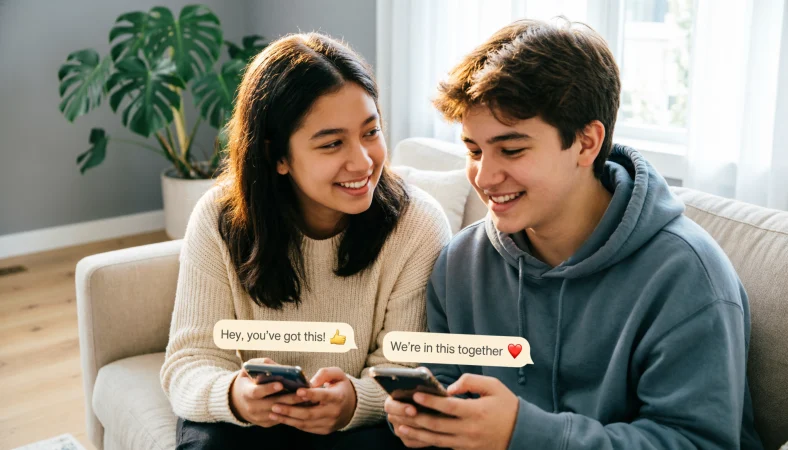
Quick Answer: When someone says, “I’m feeling better now,” a thoughtful reply can show that you genuinely care without making the moment feel heavy. The best responses acknowledge their improvement, offer support, and leave the door open if they want to talk.
Top alternatives: I’m really glad to hear that, That’s such good news, Take it easy and keep looking after yourself, I’m happy you’re feeling better, You deserve to feel good again
Few texts make you breathe a little easier like, “I’m feeling better now.” Whether it comes from a friend after a rough day, a partner recovering from a difficult moment, a family member, or even someone you have been getting to know through DMs, that little update usually deserves more than a quick “good.” Knowing thoughtful ways to reply when someone says im feeling better now can help you respond with warmth without accidentally sounding overly serious or dismissive. Sometimes they want reassurance, sometimes they simply want to share some good news, and sometimes they are quietly letting you know they are ready to reconnect. A thoughtful response can acknowledge their progress, make them smile, and remind them that someone cares. From gentle and supportive to funny, sweet, casual, and heartfelt, these replies make it easy to find the right words for the moment.
Caring Responses
“I’m really glad to hear that. Take good care of yourself.”
Use this when someone has been having a difficult time and you want to show genuine concern.
Meaning: You are relieved they are doing better and encouraging them to keep looking after themselves.
“That’s such good news. I was hoping you’d feel better soon.”
Use this when you have been thinking about their wellbeing.
Meaning: Their improvement genuinely matters to you.
“I’m happy you’re feeling better now. You deserve some peace.”
Use this after they have had a stressful or exhausting experience.
Meaning: You want them to enjoy the relief they are feeling.
“That honestly makes me feel better too.”
Use this when you were worried about them.
Meaning: Their improvement gives you emotional relief.
“I’m so glad things are looking up for you.”
Use this when their situation seems to be improving.
Meaning: You are celebrating their progress.
“Keep taking it easy, okay?”
Use this when they may need more time to fully recover.
Meaning: You care about their wellbeing and do not want them to overdo things.
“I’m really happy you told me.”
Use this when they have been keeping you updated about how they are doing.
Meaning: You appreciate being included and care about their progress.
“That’s a relief to hear.”
Use this when you were genuinely concerned.
Meaning: Their improvement has eased your worries.
“I hope you keep feeling better from here.”
Use this when you want to offer gentle encouragement.
Meaning: You are wishing them continued improvement.
“That’s wonderful news. Be gentle with yourself.”
Use this when they are recovering from a stressful period.
Meaning: You want them to prioritize their wellbeing.
“I’m glad today feels a little lighter for you.”
Use this after an emotionally difficult day.
Meaning: You recognize that even small improvements matter.
“You’ve got this. Just keep taking things one step at a time.”
Use this when they are still dealing with challenges.
Meaning: You are offering reassurance without putting pressure on them.
Sweet Responses
“Aww, I’m genuinely happy for you.”
Use this when you want a warm and affectionate reaction.
Meaning: Their happiness makes you happy too.
“That just made me smile.”
Use this when you have been concerned about them.
Meaning: Hearing they are better has brightened your mood.
“Good, because I like knowing you’re okay.”
Use this when you want to make your care obvious.
Meaning: Their wellbeing is important to you.
“That’s the update I wanted to hear.”
Use this when you have been waiting for good news.
Meaning: You were hoping they would feel better.
“I’m sending you a little extra good energy tonight.”
Use this when you want to keep things positive.
Meaning: You are wishing them continued happiness and recovery.
“You feeling better makes my heart happy.”
Use this when you share a close bond.
Meaning: Their wellbeing affects you emotionally.
“I’m glad your day is turning around.”
Use this when their day started badly.
Meaning: You are happy the situation is improving.
“That’s genuinely lovely to hear.”
Use this when you want something simple and sincere.
Meaning: You are pleased about their improvement.
“Keep that smile going.”
Use this when you want to encourage their positive mood.
Meaning: You hope their better mood lasts.
“I hope the rest of your day treats you kindly.”
Use this when they are finally feeling some relief.
Meaning: You want the positive feeling to continue.
“You deserve to feel this good.”
Use this when they have been through a rough patch.
Meaning: You believe they deserve happiness and comfort.
“I’m smiling over here knowing you’re okay.”
Use this when you want a personal and affectionate response.
Meaning: Their wellbeing brings you happiness.
Supportive Responses
“I’m here if you need anything.”
Use this when they may still need practical or emotional support.
Meaning: You are making yourself available without pressure.
“Glad you’re feeling better. And remember, you don’t have to handle everything alone.”
Use this when they have been struggling with something significant.
Meaning: You want them to know they have support.
“Take whatever time you need to fully feel like yourself again.”
Use this when improvement may be gradual.
Meaning: You are reminding them that recovery does not have to be rushed.
“That’s great to hear. Keep doing what feels right for you.”
Use this when you want to encourage healthy self-care.
Meaning: You trust them to take care of themselves.
“One better day at a time.”
Use this when they are still working through a difficult period.
Meaning: You are encouraging patience and steady progress.
“I’m proud of you for getting through it.”
Use this when they have overcome a particularly hard moment.
Meaning: You recognize their resilience.
“I’m glad things are finally easing up.”
Use this when their situation has been stressful for a while.
Meaning: You are acknowledging their relief.
“Whatever helped, I hope you keep giving yourself more of it.”
Use this when they have found something that improves their mood.
Meaning: You encourage them to continue caring for themselves.
“You’ve made it through the hard part. Keep looking after yourself.”
Use this when they are beginning to recover.
Meaning: You are offering encouragement and reassurance.
“I’m always happy to listen if you want to talk about it.”
Use this when they may still have things on their mind.
Meaning: You are offering emotional space without demanding details.
“That’s a win. Even small improvements count.”
Use this when they are slowly getting back on track.
Meaning: You value progress, even when it is gradual.
“I’m glad you’re getting some breathing room.”
Use this when their stress has started to ease.
Meaning: You recognize the importance of relief.
Casual Responses
“Glad to hear it!”
Use this when you want a simple, natural reply.
Meaning: You are happy they are doing better.
“That’s good news 😊”
Use this when you want a friendly text response.
Meaning: You are celebrating their improvement.
“Nice! Keep feeling better.”
Use this when you want to stay upbeat.
Meaning: You hope their positive progress continues.
“Good stuff. Take it easy though.”
Use this when they are recovering but may still need rest.
Meaning: You are happy for them while encouraging caution.
“Love hearing that.”
Use this when you have a friendly relationship.
Meaning: Their improvement makes you happy.
“That’s what I like to hear.”
Use this when you want a warm but casual response.
Meaning: You are relieved by the update.
“Yesss, finally!”
Use this when you have been waiting for them to feel better.
Meaning: You are excited that things are improving.
“Glad you’re back on the upswing.”
Use this when their mood has started improving.
Meaning: You are acknowledging positive momentum.
“That’s a win.”
Use this when you want a short, modern response.
Meaning: You see feeling better as something worth celebrating.
“Good! Don’t forget to keep looking after yourself.”
Use this when you want casual concern.
Meaning: You are happy but still care about their wellbeing.
“Nice one. Hope it keeps getting better.”
Use this when you want something friendly and encouraging.
Meaning: You are wishing them continued improvement.
“Glad you’re doing okay now.”
Use this when you want to keep the conversation relaxed.
Meaning: You are relieved they are okay.
Funny Responses
“Finally! Your system has rebooted.”
Use this when the person enjoys playful humor.
Meaning: You are joking that they are finally back to normal.
“Excellent. We can cancel the emergency snack meeting.”
Use this when you both use silly humor to deal with stressful moments.
Meaning: You are playfully celebrating their recovery.
“Good, because I was about to send a search party.”
Use this when they had been quiet for a while.
Meaning: You noticed their absence and were concerned.
“Character development complete.”
Use this when they have made it through a rough experience.
Meaning: You are jokingly celebrating their comeback.
“The comeback is officially underway.”
Use this when their mood has improved significantly.
Meaning: You are playfully framing their recovery as a victory.
“Okay, we love this update.”
Use this when you want cheerful internet-style energy.
Meaning: You are genuinely happy about their improvement.
“Plot twist: things are getting better.”
Use this when their day has turned around unexpectedly.
Meaning: You are celebrating the positive change.
“Good. I was about to file a complaint with the universe.”
Use this when you were worried about them.
Meaning: You care while keeping the response light.
“We have movement! The vibes are improving!”
Use this when you want an energetic response.
Meaning: You are excited that they are feeling better.
“Okayyy, look at you making a comeback.”
Use this when they have bounced back from a rough day.
Meaning: You are playfully praising their recovery.
“Glad to hear it. Your membership in the miserable club has expired.”
Use this when humor is already part of your relationship.
Meaning: You are jokingly celebrating the end of their bad mood.
“Excellent news. I was running out of motivational memes.”
Use this when you have been cheering them up.
Meaning: You are playfully saying you are relieved your encouragement is no longer needed.
Flirty Responses
“Good, because I prefer you smiling.”
Use this when you want to add a subtle romantic touch.
Meaning: You care about their happiness and find their smile attractive.
“Glad you’re feeling better. Now I can flirt with you properly.”
Use this when your relationship already has playful chemistry.
Meaning: You are happy they are feeling well enough for some flirting.
“That’s good. I need my favorite person feeling fabulous.”
Use this when you share a close romantic connection.
Meaning: Their wellbeing matters to you.
“Feeling better? Good. You had me worried, beautiful.”
Use this when you want to combine concern with affection.
Meaning: You care deeply and want them to know it.
“I’m glad. I need that cute smile back.”
Use this when you know they enjoy affectionate compliments.
Meaning: You miss seeing them happy.
“Good news. Now you owe me a smile.”
Use this when you want playful flirtation.
Meaning: You are inviting them to keep the positive mood going.
“Glad you’re better. You’re much too cute to be having a bad day.”
Use this when you want a lighthearted compliment.
Meaning: You think they deserve to feel happy.
“That’s a relief. I was starting to miss your good vibes.”
Use this when their mood affects the energy between you.
Meaning: You enjoy their positive personality.
“Good. I was not ready to go a whole day without your smile.”
Use this when you want something openly affectionate.
Meaning: You genuinely missed their happy energy.
“Happy you’re feeling better. Now come back and distract me.”
Use this when your conversations are playful and flirtatious.
Meaning: You enjoy their attention.
“Much better. The world needs you at full charm.”
Use this when you want a clever compliment.
Meaning: You find their personality and charm irresistible.
“Glad you’re better. My favorite human deserves a good evening.”
Use this when you want a warm romantic message.
Meaning: You care about their happiness.
Cute Responses
“Aww, yay! 🥹”
Use this when you want an affectionate, cheerful reaction.
Meaning: You are genuinely relieved and happy.
“That makes me so happy.”
Use this when you have been worried about them.
Meaning: Their improvement brings you joy.
“Good! Sending you a tiny celebration hug.”
Use this when you cannot celebrate with them in person.
Meaning: You want to show affection and support.
“Yay, your happy vibes are back!”
Use this when their personality becomes brighter when they feel well.
Meaning: You missed their positive energy.
“That deserves a little happy dance.”
Use this when you want to keep things light.
Meaning: Their improvement is worth celebrating.
“I’m glad my favorite person is feeling better.”
Use this when you share a close friendship or relationship.
Meaning: They are especially important to you.
“Okay, that just made my day better too.”
Use this when you were concerned about them.
Meaning: Their good news improves your mood.
“Keep that beautiful energy going.”
Use this when they are finally feeling positive.
Meaning: You hope their better mood continues.
“Sending you a big virtual hug.”
Use this when physical distance keeps you apart.
Meaning: You want to offer comfort and affection.
“Look at you getting your sparkle back.”
Use this when their personality feels brighter again.
Meaning: You are happy to see them returning to themselves.
“I’m officially celebrating this little win with you.”
Use this when their improvement has been gradual.
Meaning: You value their progress.
“That’s my favorite kind of update.”
Use this when you want a cute and personal response.
Meaning: You love hearing that they are okay.
Romantic Responses
“I’m so relieved, my love. I hate knowing you’re having a hard time.”
Use this when your partner has been struggling.
Meaning: Their difficult moments affect you because you care deeply.
“That makes my heart happy.”
Use this when you want a short romantic response.
Meaning: Their happiness matters deeply to you.
“I’m glad you’re feeling better, sweetheart. I just want you to be okay.”
Use this when you want to emphasize genuine care.
Meaning: Their wellbeing is more important to you than anything else.
“Knowing you’re better is the best update I could get today.”
Use this when you have been waiting for news.
Meaning: Their improvement is especially meaningful to you.
“I wish I could be there to make your evening even better.”
Use this when you are apart.
Meaning: You want to be physically present and supportive.
“I’m happy you’re feeling better, beautiful. You deserve nothing but good days.”
Use this when you want to send affection and encouragement.
Meaning: You want happiness for them.
“Your smile is one of my favorite things, so I’m glad it’s coming back.”
Use this when they have been feeling low.
Meaning: Their happiness is precious to you.
“I’m always going to care about how you’re doing.”
Use this when you want to provide reassurance.
Meaning: Your concern for them is genuine and lasting.
“Good. Now let me help keep that smile around.”
Use this when you want to combine affection with playful romance.
Meaning: You want to contribute to their happiness.
“I’m glad your heart feels a little lighter tonight.”
Use this when they have been emotionally overwhelmed.
Meaning: You care about their emotional wellbeing.
“Nothing makes me happier than knowing you’re okay.”
Use this when you want a deeply caring response.
Meaning: Their wellbeing has a strong emotional impact on you.
“Rest easy tonight, love. You’ve had enough heavy days.”
Use this when they have been dealing with ongoing stress.
Meaning: You want them to have peace and comfort.
Reassuring Responses
“I’m glad. And you can always reach out if you need me.”
Use this when you want to reassure them that support is available.
Meaning: You are dependable and willing to listen.
“You don’t have to pretend everything is perfect. I’m here either way.”
Use this when they may feel pressure to appear okay.
Meaning: You accept them even when things are difficult.
“Feeling better is a good start. Just keep being kind to yourself.”
Use this when they are recovering emotionally.
Meaning: You encourage patience and self-compassion.
“I’m happy for you, and there’s no rush to be completely okay.”
Use this when their recovery is still ongoing.
Meaning: You are giving them permission to take their time.
“That’s great to hear. Keep listening to what you need.”
Use this when they are learning to prioritize themselves.
Meaning: You support their wellbeing and choices.
“You’re allowed to have good days again.”
Use this when they have experienced a long difficult stretch.
Meaning: You want them to embrace feeling better without guilt.
“I’m glad there’s some light at the end of the tunnel.”
Use this when they have been going through something challenging.
Meaning: You recognize their progress and hope.
“You’re doing better, and that’s what matters right now.”
Use this when they are still uncertain about their situation.
Meaning: You want them to focus on the positive progress.
“Whatever happens next, you don’t have to face it by yourself.”
Use this when they are still dealing with uncertainty.
Meaning: You are offering continued emotional support.
“Take the win and breathe a little.”
Use this when they have finally gotten some relief.
Meaning: You want them to pause and enjoy the improvement.
“I’m here for the good days and the difficult ones.”
Use this when you have a close relationship.
Meaning: Your support is not conditional on their mood.
“You’re allowed to simply enjoy feeling better.”
Use this when they are overthinking their recovery.
Meaning: You want them to appreciate the positive moment.
Encouraging Responses
“Keep going. You’re doing better than you think.”
Use this when they are still rebuilding their confidence.
Meaning: You believe in their progress.
“One step at a time, you’re getting there.”
Use this when their improvement is gradual.
Meaning: You are encouraging patience.
“Look how far you’ve already come.”
Use this when they have made noticeable progress.
Meaning: You want them to recognize their own growth.
“This is your sign to keep choosing yourself.”
Use this when they have started prioritizing their wellbeing.
Meaning: You encourage healthy self-focus.
“I hope this is the beginning of many better days.”
Use this when they are emerging from a difficult period.
Meaning: You are hopeful about what comes next.
“You deserve to feel lighter and happier.”
Use this when they have been carrying emotional stress.
Meaning: You believe they deserve relief.
“Keep that momentum going.”
Use this when they have found something that is helping.
Meaning: You encourage them to continue their progress.
“Today is already looking better.”
Use this when their mood has noticeably changed.
Meaning: You are helping them focus on the positive.
“You made it through yesterday. Today gets to be different.”
Use this when they have had a particularly difficult previous day.
Meaning: You are encouraging a fresh perspective.
“You’re allowed to celebrate the little wins.”
Use this when they tend to minimize their progress.
Meaning: You want them to appreciate improvement.
“Keep giving yourself reasons to smile.”
Use this when they are feeling more positive.
Meaning: You want their happiness to continue.
“Better is better. Let’s celebrate that.”
Use this when their improvement is small but meaningful.
Meaning: You recognize and appreciate progress.
Thoughtful Responses
“I’m really glad you’re feeling better. I hope you get to enjoy that feeling for a while.”
Use this when you want to acknowledge their improvement without overwhelming them.
Meaning: You value their comfort and happiness.
“That’s genuinely good to hear. I know the last few days haven’t been easy.”
Use this when you know they have been struggling recently.
Meaning: You recognize what they have been through.
“Sometimes feeling a little better is exactly the progress we need.”
Use this when they are recovering gradually.
Meaning: You want them to appreciate small improvements.
“I hope tonight gives you a chance to relax and enjoy feeling like yourself again.”
Use this when they have had a stressful period.
Meaning: You want them to have a peaceful evening.
“I’m glad there’s finally something positive to hold onto.”
Use this when their recent experience has been difficult.
Meaning: You are encouraging them to notice the good moment.
“That makes me happy for you. Keep listening to what your mind and body need.”
Use this when they need to continue resting or recovering.
Meaning: You are encouraging self-care.
“It sounds like things are moving in the right direction.”
Use this when their situation is improving.
Meaning: You are expressing optimism about their progress.
“I hope this feeling sticks around.”
Use this when you want something short but caring.
Meaning: You want their improvement to continue.
“I’m glad you checked in. It means a lot knowing you’re doing better.”
Use this when they have kept you updated.
Meaning: You appreciate their communication and care about them.
“You don’t have to rush back into everything just because you feel better today.”
Use this when they may be tempted to overdo things.
Meaning: You want them to protect their progress.
“I hope you’re proud of yourself for making it through the rough part.”
Use this when they have overcome a challenging period.
Meaning: You want them to recognize their resilience.
“That’s a small sentence with very good news inside it.”
Use this when you want a thoughtful response with a little personality.
Meaning: Their simple update means a lot to you.
Warm And Heartfelt Responses
“I’m genuinely relieved. I care about you more than I probably say.”
Use this when you want to be emotionally honest.
Meaning: Your concern comes from genuine affection.
“Hearing that makes everything feel a little lighter.”
Use this when you have been worried about them.
Meaning: Their improvement eases your own emotional burden.
“I’m thankful you’re feeling better.”
Use this when you want to express sincere gratitude.
Meaning: You are grateful that they are doing well.
“I hope you know how much people care about you.”
Use this when they have been going through a difficult time.
Meaning: You want to remind them that they matter.
“I’m really proud of you for getting through whatever today brought.”
Use this when they have had an emotionally difficult day.
Meaning: You recognize their strength.
“You deserve moments that feel this peaceful.”
Use this when they have finally found some relief.
Meaning: You want them to enjoy their comfort.
“I’m glad you’re getting a little piece of yourself back.”
Use this when they have been feeling unlike themselves.
Meaning: You recognize their emotional recovery.
“Your good news means more to me than you know.”
Use this when you have a close relationship.
Meaning: Their wellbeing genuinely affects you.
“I hope tomorrow feels even easier.”
Use this when their recovery is continuing.
Meaning: You are hopeful about their future wellbeing.
“I’m just happy you’re okay.”
Use this when you want the simplest sincere response.
Meaning: Their wellbeing is what matters most to you.
“Whatever made today better, I hope you get plenty more of it.”
Use this when you want to encourage positive experiences.
Meaning: You want their improvement to continue.
“It’s good to know there’s a smile behind that message.”
Use this when you want something tender and personal.
Meaning: You are happy imagining them feeling better.
Chill And Casual Responses
“Glad you’re feeling better 😊”
Use this when you want to keep things friendly and uncomplicated.
Meaning: You are pleased about their improvement.
“That’s good! Take it easy.”
Use this when you want to be casual but caring.
Meaning: You are happy for them and encourage rest.
“Nice, glad things are looking up.”
Use this when their mood or situation has improved.
Meaning: You are acknowledging the positive change.
“Good to hear. What changed?”
Use this when you are curious about what helped.
Meaning: You want to understand what improved their mood.
“Love that for you.”
Use this when you want a modern, upbeat response.
Meaning: You are celebrating their good news.
“That’s a solid update.”
Use this when you want a relaxed and slightly playful reply.
Meaning: You approve of the positive news.
“Nice! Hope the good vibes stick.”
Use this when you want something light and friendly.
Meaning: You hope their better mood continues.
“Glad you’re back to feeling more like yourself.”
Use this when they have had a difficult day.
Meaning: You recognize that their mood is improving.
“Good stuff. Keep doing whatever’s working.”
Use this when they have found something helpful.
Meaning: You encourage them to continue positive habits.
“That’s what we like to hear.”
Use this when you want an upbeat reaction.
Meaning: You are happily acknowledging their progress.
“Nice one. Enjoy the better mood.”
Use this when they have finally gotten some relief.
Meaning: You want them to appreciate the positive moment.
“Glad to hear you’re doing better now.”
Use this when you want a natural everyday reply.
Meaning: You are relieved and happy for them.
Playful Responses
“Look who decided to feel better.”
Use this when you share a teasing friendship or relationship.
Meaning: You are playfully celebrating their recovery.
“Well, well, well. Someone’s back in business.”
Use this when they have bounced back from a rough day.
Meaning: You are jokingly announcing their return to form.
“The good vibes have entered the building.”
Use this when their mood has noticeably improved.
Meaning: You are celebrating their positive energy.
“Okay, comeback era!”
Use this when they have recovered from a difficult period.
Meaning: You are playfully encouraging their fresh start.
“We love a positive plot twist.”
Use this when things have unexpectedly improved.
Meaning: You are celebrating the change in circumstances.
“Your better mood has been approved.”
Use this when you want a silly, playful response.
Meaning: You are jokingly giving them permission to enjoy feeling better.
“Welcome back to the land of functioning humans.”
Use this when the person enjoys silly banter.
Meaning: You are joking about them returning to normal.
“Okay, sunshine mode activated.”
Use this when their personality becomes brighter again.
Meaning: You are celebrating their improved mood.
“I see the comeback is coming along nicely.”
Use this when they are gradually improving.
Meaning: You are playfully acknowledging their progress.
“Good. I was starting to miss your usual nonsense.”
Use this when their humor is part of your friendship.
Meaning: You missed their normal personality.
“We officially accept this good news.”
Use this when you want an intentionally dramatic reaction.
Meaning: You are happily celebrating their update.
“Keep it up, legend.”
Use this when you want an energetic and friendly response.
Meaning: You are encouraging their continued improvement.
Clever Responses
“That’s the kind of plot twist I can get behind.”
Use this when their situation has improved unexpectedly.
Meaning: You are happily embracing the positive change.
“Improvement detected. Excellent news.”
Use this when you want a playful tech-inspired response.
Meaning: You are celebrating their progress.
“Looks like today finally got the memo.”
Use this when their day started badly but improved later.
Meaning: You are joking that the day finally turned around.
“A little better is still a big deal.”
Use this when their progress feels small to them.
Meaning: You are reminding them that improvement matters.
“Consider that a win for today.”
Use this when they have had a challenging day.
Meaning: You want them to recognize their progress.
“The mood upgrade has arrived.”
Use this when their emotional state has improved.
Meaning: You are playfully celebrating the change.
“That sentence just made my day better too.”
Use this when their good news makes you happy.
Meaning: Their wellbeing positively affects you.
“Progress looks good on you.”
Use this when you want an encouraging compliment.
Meaning: You are pleased to see them doing better.
“Good news has entered the chat.”
Use this when you want a social-media-style response.
Meaning: You are excited about their positive update.
“We’ll take that as today’s victory.”
Use this when they have been through a difficult day.
Meaning: You want to celebrate the improvement.
“That’s one message worth rereading.”
Use this when their improvement has been especially meaningful.
Meaning: Their good news genuinely made an impression on you.
“See? The story can change halfway through the day.”
Use this when they started the day feeling low.
Meaning: You are reminding them that difficult moments can improve.
FAQs
What does “I’m feeling better now” mean?
It usually means the person has experienced some improvement in their physical, emotional, or general wellbeing. The exact meaning depends on what they were dealing with beforehand.
What is the best response to “I’m feeling better now”?
A simple “I’m really glad to hear that. Take care of yourself” works in most situations because it acknowledges their improvement while showing genuine concern.
What should I say if someone I care about says they feel better?
Be warm and supportive. You can say, “That’s such a relief to hear. I’m really happy you’re doing better.”
Can I give a flirty response?
Yes, if you already have romantic chemistry. Something like “Good, because I prefer you smiling” adds affection without making the moment too intense.
Is humor appropriate?
Humor can work well when you know the person enjoys jokes and the situation is not too serious. If they have been through something emotionally difficult, start with empathy before adding humor.
What if I do not know the person very well?
Keep it polite and simple. “Glad to hear you’re feeling better. Take care” is warm without being overly personal.
What should I say if they are recovering from a difficult day?
Try something supportive such as “I’m glad today is feeling a little lighter for you. Take it one step at a time.”
How can I make my reply more thoughtful?
Mention something specific about their situation or acknowledge that you remember what they were going through. Personal details make a response feel much more genuine.
What if they say they are feeling better but still seem upset?
Do not assume everything is completely fine. You can say, “I’m glad you’re feeling better. And if you still need to talk, I’m here.”
Is “good” an okay response?
It is not wrong, but it can sound a little brief or dismissive. Adding a few words such as “Good, I’m really glad to hear that” makes it warmer.
Can these replies be used in texts and DMs?
Absolutely. Most of these responses are short enough for texting, Instagram DMs, Snapchat, WhatsApp, and everyday conversations.
Conclusion
When someone says, “I’m feeling better now,” they are often sharing a small piece of good news after something difficult. Your response does not need to be complicated. A thoughtful sentence, a little encouragement, or even a perfectly timed joke can show that you were listening and genuinely care. The best thoughtful ways to reply when someone says im feeling better now match the relationship and the moment. Go sweet when they need comfort, playful when they need a smile, and sincere when the situation calls for genuine support. Keep these replies saved for those moments when your brain suddenly forgets how words work. Share this list, save your favorites, and make someone’s better day feel even better!