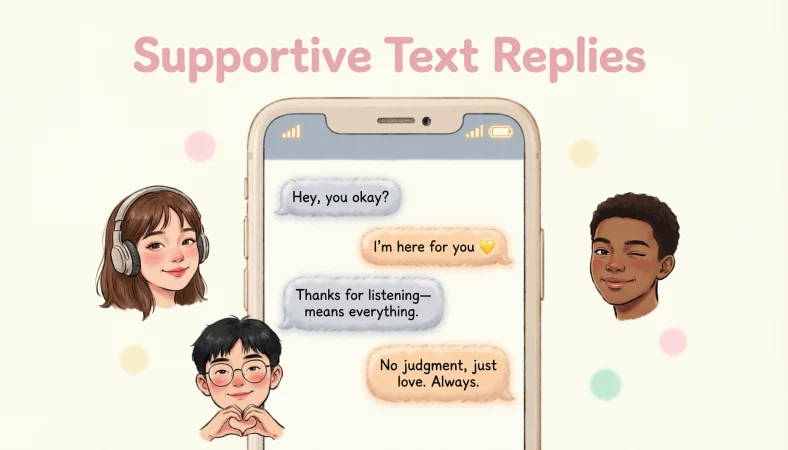
Quick Answer: When someone says they have a lot going on, the best response is usually supportive without adding pressure. Show that you care, respect their space, and remind them they do not have to handle everything alone.
Top alternatives: I’m here if you need me, Take your time, You’ve got this, No pressure at all, I’m rooting for you.
A simple “I’m here for you” can mean a lot when someone is overwhelmed. Whether they are dealing with work stress, family stuff, relationship drama, personal goals, or simply one of those weeks where everything decides to happen at once, the right response can make them feel understood instead of judged. That is why knowing supportive replies when someone says they have a lot going on can be surprisingly useful. You might be texting a friend, replying to a DM, checking in on someone you care about, or trying to support a crush without coming on too strong. The goal is not to magically fix everything. Sometimes, the best reply is simply a little reassurance, patience, and kindness. And honestly, being someone’s calm corner of the internet is a pretty good role to have.
Funny Responses
Sometimes a little humor can make an overwhelming moment feel lighter, especially when you already have a playful relationship with the person.
- “Okay, life needs to chill for five minutes.”
Use this when you want to acknowledge their stress while keeping the mood slightly lighter.
Meaning: You understand that they are overwhelmed and wish they could catch a break. - “Sounds like your schedule is fighting for its life.”
Use this when their workload or responsibilities seem completely packed.
Meaning: You recognize how chaotic their situation feels. - “One thing at a time, superhero.”
Use this when they are trying to handle everything simultaneously.
Meaning: You are encouraging them to slow down and focus on what matters first. - “Adding ‘breathe’ to your to-do list immediately.”
Use this when they seem to be forgetting to take care of themselves.
Meaning: You are gently reminding them that rest matters too. - “Life really said, ‘Here’s everything at once.’”
Use this when several problems have piled up at the same time.
Meaning: You are validating how unfairly busy things feel. - “Your calendar needs emotional support too.”
Use this when their schedule is ridiculously crowded.
Meaning: You are using humor to show that you understand the pressure. - “Sending emergency snacks and moral support.”
Use this when you want to cheer them up without getting overly serious.
Meaning: You care and want to make their stressful day a little easier. - “Okay, main character, take a breather.”
Use this with someone who enjoys playful internet-style humor.
Meaning: You are encouraging them to pause and look after themselves. - “We officially declare today a low-expectations day.”
Use this when they clearly need permission to slow down.
Meaning: You are reassuring them that they do not need to accomplish everything. - “That sounds like a premium subscription to stress.”
Use this when they are joking about having too much going on.
Meaning: You are acknowledging their situation through playful exaggeration. - “Please tell life to stop adding side quests.”
Use this when one problem seems to keep turning into another.
Meaning: You understand that unexpected responsibilities keep appearing. - “No productivity Olympics today.”
Use this when they are putting too much pressure on themselves.
Meaning: You want them to prioritize their wellbeing instead of achievement.
Brutal Responses
These replies are more direct and protective, perfect when someone needs a reminder that they cannot carry everything alone.
- “Then stop trying to handle everything at once.”
Use this when someone is clearly overwhelming themselves.
Meaning: You want them to prioritize and protect their energy. - “You do not have to prove you can handle it all.”
Use this when they are putting unnecessary pressure on themselves.
Meaning: Their worth does not depend on how much stress they can tolerate. - “Being exhausted is not a personality trait.”
Use this when someone constantly glorifies being busy.
Meaning: You are reminding them that burnout should not be normalized. - “You are allowed to say no.”
Use this when too many commitments are causing their stress.
Meaning: You want them to create boundaries. - “Not everything deserves your energy.”
Use this when they are worrying about too many things simultaneously.
Meaning: You are encouraging them to focus only on what truly matters. - “You cannot pour from an empty cup.”
Use this when they keep helping others while ignoring themselves.
Meaning: Self-care is necessary when emotional energy is running low. - “Take care of yourself before fixing everyone else.”
Use this when they are prioritizing everybody around them.
Meaning: Their own needs deserve attention too. - “You are allowed to let some things wait.”
Use this when they feel everything needs immediate attention.
Meaning: Not every task is an emergency. - “Stop treating every problem like it is yours.”
Use this when they are carrying responsibilities that belong to others.
Meaning: You want them to set healthier emotional boundaries. - “Busy does not automatically mean productive.”
Use this when they are overwhelmed by constant activity.
Meaning: Doing more is not always the same as making progress. - “You need a break, not another responsibility.”
Use this when they keep adding tasks to their plate.
Meaning: Rest should come before taking on more. - “You are human, not a 24-hour customer service desk.”
Use this when everyone seems to expect their attention constantly.
Meaning: They deserve boundaries, rest, and personal space.
Flirty Responses
When the person is someone you like, you can be supportive while adding a little warmth and playful affection.
- “Then let me be the easy part of your day.”
Use this when you want to offer comfort without creating pressure.
Meaning: You want your presence to feel relaxing rather than demanding. - “No pressure, handsome. Handle your world.”
Use this when you are flirting with someone who has a packed schedule.
Meaning: You are attracted to them while respecting their priorities. - “I’ll be here when the chaos settles.”
Use this when you want to give them space without disappearing.
Meaning: You are patient and genuinely interested. - “You have enough going on, so I’ll keep the flirting gentle.”
Use this when you want to acknowledge their stress playfully.
Meaning: You still like them but do not want to overwhelm them. - “Consider this your reminder that someone is rooting for you.”
Use this when you want to be sweet without being intense.
Meaning: You care about their wellbeing and want them to feel supported. - “Handle your business. I’m not going anywhere.”
Use this when you want to reassure someone you genuinely like.
Meaning: Your interest is steady even when their life is hectic. - “I can wait. You’re worth the patience.”
Use this when their busy period is affecting communication.
Meaning: You value the connection enough to give them time. - “Go conquer your chaos. I’ll be cheering from the sidelines.”
Use this when you want to sound affectionate and encouraging.
Meaning: You want them to succeed without demanding attention. - “Just remember to save a tiny bit of energy for yourself.”
Use this when you are concerned about someone you like.
Meaning: You care about them beyond the romantic connection. - “No rush, cutie. Real life comes first.”
Use this when you want to keep things light and affectionate.
Meaning: You respect their current responsibilities. - “I like you, but I like your peace more.”
Use this when you want to show emotional maturity while flirting.
Meaning: You care more about their wellbeing than getting constant attention. - “Whenever you get a quiet moment, I’ll happily steal a little of it.”
Use this when you want a playful romantic reply.
Meaning: You are interested while still respecting their busy life.
Polite Responses
These are ideal when you want to be caring, respectful, and emotionally considerate.
- “I completely understand. Take whatever time you need.”
Use this when someone explains that they are overwhelmed.
Meaning: You respect their situation and are not demanding immediate attention. - “Thank you for letting me know.”
Use this when someone opens up about having a difficult period.
Meaning: You appreciate their honesty. - “Please do not feel pressured to respond right away.”
Use this when you want to remove communication pressure.
Meaning: You are giving them room to focus on what matters. - “I hope things become a little easier for you soon.”
Use this when you want to offer gentle encouragement.
Meaning: You sincerely wish them relief. - “Take care of yourself first.”
Use this when they are clearly overwhelmed.
Meaning: You are prioritizing their wellbeing. - “I’m happy to give you some space.”
Use this when they need time alone.
Meaning: You respect their boundaries. - “Whenever you feel ready, I’m here.”
Use this when someone may want to talk later.
Meaning: You are offering support without pushing. - “I understand that things can get overwhelming.”
Use this when you want to validate their feelings.
Meaning: You recognize their experience without judging it. - “There’s no need to explain everything.”
Use this when they seem uncomfortable sharing details.
Meaning: You accept their situation without demanding information. - “I hope you get some time to breathe.”
Use this when someone has been extremely busy.
Meaning: You want them to find a moment of peace. - “Please look after yourself.”
Use this when ending a supportive conversation.
Meaning: Their wellbeing genuinely matters to you. - “I’m wishing you calmer days ahead.”
Use this when you want a warm but respectful closing.
Meaning: You are sending encouragement without being intrusive.
Professional Responses
When a colleague, client, manager, or professional contact says they have a lot going on, keep the response supportive while respecting boundaries.
- “I completely understand. Please take the time you need.”
Use this when a colleague explains a delay caused by competing priorities.
Meaning: You acknowledge their workload without adding pressure. - “Thanks for keeping me updated.”
Use this when someone communicates that they are dealing with multiple demands.
Meaning: You appreciate their transparency. - “No problem. We can revisit this when things settle down.”
Use this when a task is not urgent.
Meaning: You are offering flexibility. - “I understand that you have several priorities at the moment.”
Use this when responding to a busy professional contact.
Meaning: You recognize their workload respectfully. - “Let me know if there is anything I can help with.”
Use this when you genuinely have capacity to assist.
Meaning: You are offering practical support. - “There is no immediate pressure from my side.”
Use this when you want to reduce unnecessary stress.
Meaning: You are making the situation easier to manage. - “We can adjust the timeline if necessary.”
Use this when deadlines are flexible.
Meaning: You are offering a realistic solution. - “I appreciate you letting me know.”
Use this when someone communicates about competing responsibilities.
Meaning: You value clear communication. - “Please prioritize what is most urgent.”
Use this when multiple tasks are competing for attention.
Meaning: You are encouraging sensible prioritization. - “I’m happy to work around your availability.”
Use this when scheduling is difficult.
Meaning: You are offering flexibility. - “Let’s reconnect when you have more bandwidth.”
Use this when the conversation does not need immediate attention.
Meaning: You respect their limited capacity. - “I hope everything gets a little more manageable soon.”
Use this when you want to end a professional exchange warmly.
Meaning: You are showing genuine consideration.
Creative Responses
These replies use a little imagination while still offering genuine support.
- “One stormy chapter does not define the whole story.”
Use this when someone is dealing with a difficult season.
Meaning: Their current struggles are temporary and do not define their future. - “Put the world on mute for a minute.”
Use this when they desperately need some quiet.
Meaning: You are encouraging them to step away from the noise. - “Consider this a tiny permission slip to slow down.”
Use this when they feel guilty about resting.
Meaning: You are giving them emotional permission to pause. - “You do not have to solve the whole puzzle tonight.”
Use this when they are trying to figure everything out at once.
Meaning: Some problems can be handled gradually. - “Your plate is full, so please stop adding appetizers.”
Use this when they keep accepting new responsibilities.
Meaning: You are encouraging them not to overload themselves. - “Let today be about surviving, not performing.”
Use this when someone is emotionally exhausted.
Meaning: Getting through a hard day is enough. - “Leave tomorrow’s problems on tomorrow’s doorstep.”
Use this when they are worrying too far ahead.
Meaning: You want them to focus on the present. - “Even superheroes need intermission.”
Use this when someone constantly tries to be strong.
Meaning: Rest is necessary even for capable people. - “Your brain has 37 tabs open. Close a few.”
Use this when someone is mentally overloaded.
Meaning: They need to reduce the number of things competing for attention. - “You are allowed to press pause without quitting.”
Use this when they fear that resting means giving up.
Meaning: Taking a break can support long-term progress. - “Let’s call this a plot twist, not the ending.”
Use this when someone feels stuck in a difficult period.
Meaning: Their current circumstances can change. - “Tiny steps still count as forward.”
Use this when they are frustrated by slow progress.
Meaning: Small progress is still meaningful progress.
Sarcastic Responses
A little sarcasm can work well when the person appreciates humor and needs a lighter way to acknowledge their stress.
- “Because apparently one problem was not enough.”
Use this when several issues have arrived simultaneously.
Meaning: You recognize how annoyingly crowded their life feels. - “Love that for you. Absolutely not.”
Use this with someone who enjoys dry humor.
Meaning: You sympathize while joking about their situation. - “Ah yes, the universe has excellent timing.”
Use this when everything seems to be happening at once.
Meaning: You are playfully acknowledging the unfortunate timing. - “Your calendar clearly has personal beef with you.”
Use this when their schedule is overloaded.
Meaning: You are joking about how relentlessly busy they are. - “Apparently peace was unavailable this week.”
Use this when they have had no time to relax.
Meaning: You understand that they desperately need a break. - “Great, another episode of ‘Why Is Everything Happening?’”
Use this when their problems keep piling up.
Meaning: You are validating the absurdity of the situation. - “Can we unsubscribe you from unnecessary stress?”
Use this when they are overwhelmed by avoidable drama.
Meaning: You wish you could remove some of their burdens. - “Your to-do list is clearly feeling ambitious.”
Use this when they have too many tasks.
Meaning: You recognize that their workload has become excessive. - “Life really chose maximum difficulty.”
Use this when everything seems unusually challenging.
Meaning: You acknowledge how intense their current situation feels. - “Very convenient timing, universe.”
Use this when several problems happen together.
Meaning: You are joking about the unfortunate circumstances. - “Please submit a formal complaint to life.”
Use this when they are joking about their stressful week.
Meaning: You sympathize through playful exaggeration. - “I would like to speak to the manager of your week.”
Use this when their week has been particularly rough.
Meaning: You want to lighten their mood while showing concern.
Cute Responses
These are gentle, affectionate, and perfect for friends, partners, family members, or someone you care about.
- “Sending you the biggest virtual hug.”
Use this when they need emotional comfort from a distance.
Meaning: You want them to feel cared for. - “Be gentle with yourself, okay?”
Use this when they are being too hard on themselves.
Meaning: You want them to practice self-compassion. - “You’ve got this, one little step at a time.”
Use this when they feel overwhelmed by everything ahead.
Meaning: You believe they can handle things gradually. - “I’m in your corner.”
Use this when you want to offer simple reassurance.
Meaning: You are firmly supporting them. - “Please remember to take care of that wonderful brain of yours.”
Use this when they are mentally exhausted.
Meaning: You care about their emotional wellbeing. - “You deserve a quiet little moment today.”
Use this when they have been constantly busy.
Meaning: You want them to find some peace. - “I’m sending good vibes your way.”
Use this when you want a light and positive message.
Meaning: You are wishing them emotional relief. - “You don’t have to be okay every second.”
Use this when they are trying to hide their stress.
Meaning: You accept their difficult emotions. - “Tiny reminder: you’re doing better than you think.”
Use this when they are doubting themselves.
Meaning: You want to restore their confidence. - “Take your time, lovely.”
Use this when you want to be affectionate without being demanding.
Meaning: You are offering patience and warmth. - “I hope something makes you smile today.”
Use this when they are having a difficult day.
Meaning: You want them to experience a small moment of happiness. - “You’re cared for, even on messy days.”
Use this when someone feels overwhelmed or inadequate.
Meaning: Their struggles do not make them less worthy of care.
Dramatic Responses
For friends or loved ones who enjoy playful exaggeration, these replies bring personality without losing the supportive message.
- “Someone get this person a vacation immediately.”
Use this when they clearly need a break.
Meaning: You think they have been dealing with far too much. - “I am officially declaring an emergency rest period.”
Use this when they are refusing to slow down.
Meaning: You are playfully insisting that they take a break. - “Enough. The plot has suffered enough.”
Use this when one problem follows another.
Meaning: You are jokingly wishing for the difficult period to end. - “This storyline has way too many plot twists.”
Use this when their problems keep changing.
Meaning: Their current situation feels unpredictable and exhausting. - “Cancel everything. We are choosing peace.”
Use this when they need a mental reset.
Meaning: You want them to prioritize calm over unnecessary obligations. - “I refuse to let stress win this season.”
Use this when encouraging someone through a difficult period.
Meaning: You want to remind them that their current struggles are not permanent. - “Somebody hand them a blanket and eight hours of sleep.”
Use this when they are clearly exhausted.
Meaning: They need rest and comfort. - “The universe owes you compensation.”
Use this when they have had an especially difficult stretch.
Meaning: You recognize how much they have been dealing with. - “Your current chapter is doing entirely too much.”
Use this when life feels overwhelmingly complicated.
Meaning: You acknowledge that their current circumstances are intense. - “I demand a peaceful sequel.”
Use this when someone is finally getting through a stressful period.
Meaning: You hope the next phase is easier. - “You have officially earned a guilt-free reset.”
Use this when they need permission to step back.
Meaning: Rest is deserved after carrying so much. - “Enough chaos. We are voting for peace.”
Use this when they need encouragement to simplify things.
Meaning: You are rooting for a calmer period.
Chill And Casual Responses
These replies sound natural in everyday texting and do not make the situation feel heavier than it already is.
- “Yeah, I get you. Take your time.”
Use this when someone says they are overwhelmed.
Meaning: You understand and are not rushing them. - “No worries, handle what you need to.”
Use this when they have competing priorities.
Meaning: You respect what they need to focus on. - “All good on my end.”
Use this when you want to remove pressure.
Meaning: They do not need to worry about disappointing you. - “Just do what you can.”
Use this when they are putting too much pressure on themselves.
Meaning: Their best effort is enough. - “One thing at a time.”
Use this when everything feels overwhelming.
Meaning: You are encouraging them to simplify the moment. - “No rush at all.”
Use this when waiting for their reply is not urgent.
Meaning: You are giving them space. - “I hear you.”
Use this when you want to acknowledge their feelings simply.
Meaning: You are listening without trying to fix everything. - “Take care of your stuff first.”
Use this when their responsibilities need immediate attention.
Meaning: You want them to prioritize what matters. - “We’ll figure it out later.”
Use this when something between you can wait.
Meaning: You are reducing unnecessary pressure. - “You’ve got plenty on your plate already.”
Use this when they are considering taking on more.
Meaning: You think they should protect their energy. - “Just breathe and get through today.”
Use this when they seem especially overwhelmed.
Meaning: You want them to focus on the immediate moment. - “I’m around if you need anything.”
Use this when you want to offer support casually.
Meaning: You are available without being intrusive.
Confident Responses
These replies give someone reassurance and remind them that they are capable without pretending everything is easy.
- “You can handle this, even if it feels messy right now.”
Use this when someone doubts their ability to cope.
Meaning: You believe in their strength while acknowledging the difficulty. - “You’ve gotten through hard things before.”
Use this when they need perspective.
Meaning: Their past resilience can remind them of their current capability. - “You do not need to have every answer today.”
Use this when uncertainty is adding to their stress.
Meaning: It is okay to figure things out gradually. - “Focus on what you can control.”
Use this when they are worrying about too many variables.
Meaning: Their energy is better spent on actionable things. - “You’re capable, but you’re also allowed to rest.”
Use this when they equate strength with constant productivity.
Meaning: Capability and rest can coexist. - “Keep going, but do not forget yourself.”
Use this when they are determined to push through.
Meaning: Progress should not come at the expense of wellbeing. - “You do not have to carry it perfectly.”
Use this when they feel pressured to manage everything flawlessly.
Meaning: Imperfection does not mean failure. - “You’re allowed to take up space and take your time.”
Use this when they are apologizing for having needs.
Meaning: Their needs and boundaries are valid. - “Handle what matters most and let the rest wait.”
Use this when priorities are unclear.
Meaning: Not everything deserves immediate attention. - “You’re doing enough.”
Use this when they feel guilty about not accomplishing more.
Meaning: Their current effort is valuable. - “Trust yourself through the messy part.”
Use this when they are uncertain about what comes next.
Meaning: They can rely on their own judgment during difficult moments. - “This is a lot, but you are not powerless.”
Use this when circumstances feel overwhelming.
Meaning: Even during difficult periods, they still have choices and agency.
Emotional Responses
These replies are more heartfelt and work well when someone is genuinely struggling or opening up.
- “I’m really glad you told me.”
Use this when someone finally opens up about their stress.
Meaning: You value their trust and want them to feel heard. - “You do not have to carry all of this alone.”
Use this when they seem emotionally overloaded.
Meaning: You want them to know support is available. - “I’m here, even if all you need is someone to listen.”
Use this when they may not want advice.
Meaning: You are offering presence rather than solutions. - “I’m sorry things feel so heavy right now.”
Use this when someone is dealing with several difficult situations.
Meaning: You recognize the emotional weight they are carrying. - “You deserve support too.”
Use this when they are always helping everyone else.
Meaning: Their own needs matter just as much. - “You never have to pretend everything is fine with me.”
Use this when someone tends to hide their struggles.
Meaning: You want them to feel emotionally safe around you. - “Take whatever time you need to get through this.”
Use this when they need space to process everything.
Meaning: You are offering patience without judgment. - “I care about you, not just what you can accomplish.”
Use this when someone feels valued only for their productivity.
Meaning: Your care is based on who they are, not what they achieve. - “I wish I could make things lighter for you.”
Use this when someone is dealing with circumstances you cannot directly fix.
Meaning: You genuinely care and wish you could help. - “You are allowed to feel overwhelmed.”
Use this when they are criticizing themselves for struggling.
Meaning: Their emotions are understandable. - “Whatever happens, you do not have to face it completely alone.”
Use this when someone is going through a particularly difficult period.
Meaning: You are reminding them that support exists. - “I’m proud of you for getting through what you can.”
Use this when they have been quietly persevering.
Meaning: You recognize their effort even if things are not perfect.
Sweet Responses
These messages are warm, thoughtful, and easy to send when you want someone to feel genuinely cared for.
- “I hope life gives you a little breathing room soon.”
Use this when someone has been overwhelmed for a while.
Meaning: You are wishing them peace and relief. - “Take care of yourself, okay? You matter too.”
Use this when they are putting everyone else first.
Meaning: You want them to remember their own importance. - “I’m rooting for you quietly from over here.”
Use this when you want to support them without interrupting their space.
Meaning: You are present even from a distance. - “I hope tomorrow feels lighter.”
Use this when they are having a difficult day.
Meaning: You are offering hopeful encouragement. - “You deserve kindness while you figure things out.”
Use this when they are being hard on themselves.
Meaning: Difficult moments call for compassion. - “Sending you a little extra patience and positivity today.”
Use this when they need encouragement.
Meaning: You want to make their day slightly easier. - “Whatever you need, I’m happy to support you.”
Use this when you want to offer meaningful help.
Meaning: You are willing to be there in whatever way is useful. - “I hope you find one peaceful moment today.”
Use this when their schedule is packed.
Meaning: You want them to have at least a small break. - “You deserve a soft landing after a long day.”
Use this when they have been dealing with stress.
Meaning: You want them to feel safe and relaxed. - “I’m sending you all the good energy.”
Use this when you want a positive and affectionate message.
Meaning: You are wishing them strength and better moments. - “Be kind to yourself tonight.”
Use this when they are ending a stressful day.
Meaning: You want them to replace self-criticism with compassion. - “I hope something unexpectedly lovely finds you today.”
Use this when you want to brighten their mood.
Meaning: You are wishing them a small moment of happiness.
Clever Responses
These replies are thoughtful without sounding overly serious, making them useful for everyday conversations.
- “Priorities first, perfection later.”
Use this when someone is overwhelmed by trying to do everything perfectly.
Meaning: Completing what matters is more important than flawless results. - “Busy is temporary. Protecting your peace is ongoing.”
Use this when someone is sacrificing their wellbeing for productivity.
Meaning: Their mental space deserves long-term protection. - “Not every open tab needs your attention.”
Use this when they are juggling too many concerns.
Meaning: Some thoughts and tasks can wait. - “You can pause without falling behind.”
Use this when they are afraid to rest.
Meaning: Taking breaks does not erase progress. - “Your energy is a budget. Spend it wisely.”
Use this when they are giving too much to other people.
Meaning: Their emotional resources should be treated as limited and valuable. - “Solve the urgent, schedule the important, release the unnecessary.”
Use this when they need help organizing competing priorities.
Meaning: Categorizing responsibilities can make life feel more manageable. - “You need fewer plates to spin, not better juggling skills.”
Use this when they are overloaded with commitments.
Meaning: Reducing responsibilities may be more helpful than trying harder. - “Rest is part of the plan.”
Use this when they view breaks as wasted time.
Meaning: Recovery supports sustainable progress. - “A full calendar does not require a full emotional battery.”
Use this when they are mentally exhausted despite staying productive.
Meaning: Emotional capacity has limits regardless of workload. - “You can care deeply without carrying everything.”
Use this when they are taking responsibility for everyone else’s problems.
Meaning: Compassion does not require self-sacrifice. - “The goal is progress, not permanent exhaustion.”
Use this when someone has normalized being constantly busy.
Meaning: Long-term wellbeing matters more than nonstop productivity. - “You are allowed to edit your priorities.”
Use this when their circumstances have changed.
Meaning: It is okay to reconsider what deserves their time.
Mysterious Responses
These replies are subtle and intriguing, while still communicating care and support.
- “Some things become clearer when you stop forcing them.”
Use this when someone is overwhelmed by decisions.
Meaning: They may benefit from giving themselves time. - “Give yourself room. The answers can wait.”
Use this when they feel pressured to solve everything immediately.
Meaning: Clarity does not always need to happen right away. - “Not every storm needs to be chased.”
Use this when they are getting pulled into unnecessary drama.
Meaning: Some situations are better left alone. - “Protect your peace. The rest will reveal itself.”
Use this when they are uncertain about what to prioritize.
Meaning: Calm can make future choices easier. - “Sometimes the quiet move is the strongest one.”
Use this when they need to step back from conflict or pressure.
Meaning: Choosing peace can be a powerful decision. - “Let this season teach you what deserves your energy.”
Use this when they are dealing with many competing demands.
Meaning: Difficult periods can reveal important priorities. - “You do not need to chase every answer tonight.”
Use this when they are overthinking.
Meaning: Some uncertainty can be left unresolved temporarily. - “What is meant to stay will not require you to destroy yourself.”
Use this when they are exhausting themselves trying to maintain something.
Meaning: Healthy situations should not require constant self-sacrifice. - “Leave some space for things to unfold.”
Use this when they are trying to control every outcome.
Meaning: Not everything can or needs to be managed immediately. - “Your peace knows more than your panic does.”
Use this when anxiety is influencing their decisions.
Meaning: A calmer perspective may lead to better choices. - “The next step does not need to reveal the whole road.”
Use this when they feel uncertain about the future.
Meaning: They only need enough clarity to move forward one step. - “Take your time. Some chapters need quiet.”
Use this when someone needs emotional space.
Meaning: Reflection and solitude can be valuable during complicated periods.
Supportive And Reassuring Responses
When you want to be genuinely helpful without overcomplicating the message, these are some of the safest and most caring options.
- “I’m here for you, no matter what.”
Use this when someone needs reassurance that they have support.
Meaning: You want them to know your care is dependable. - “You do not have to explain everything. I understand.”
Use this when they are too overwhelmed to give details.
Meaning: You accept their situation without demanding an explanation. - “Take things one day at a time.”
Use this when the future feels overwhelming.
Meaning: Focusing on the present can make everything feel more manageable. - “Whatever you need, just let me know.”
Use this when you genuinely want to help.
Meaning: You are making yourself available without forcing assistance. - “There is no pressure from me.”
Use this when they are worried about letting you down.
Meaning: You want to remove unnecessary expectations. - “I’m listening whenever you want to talk.”
Use this when they may need someone to vent to.
Meaning: You are offering emotional support without demanding conversation. - “You can take your time with everything.”
Use this when they need space to manage their responsibilities.
Meaning: You are giving them permission to move at their own pace. - “I hope you remember that you are doing your best.”
Use this when they are being self-critical.
Meaning: Their effort deserves recognition. - “You are allowed to put yourself first sometimes.”
Use this when they are constantly prioritizing others.
Meaning: Self-care is not selfish. - “I’m not expecting you to have it all figured out.”
Use this when uncertainty is making them anxious.
Meaning: You accept them even while they are figuring things out. - “Whenever you need a little support, I’m here.”
Use this when you want to keep the door open for future conversations.
Meaning: They can reach out without feeling like a burden. - “You’ve got this, and you do not have to do it alone.”
Use this when someone needs both encouragement and reassurance.
Meaning: You believe in them while reminding them that support is available.
FAQs
What does it mean when someone says they have a lot going on?
It usually means they are dealing with several responsibilities, emotions, problems, or changes at the same time. They may be stressed, busy, emotionally drained, or simply unable to give something else their full attention.
Is “I have a lot going on” an emotional statement?
It can be. Sometimes it simply means someone is busy, but it can also hint that they are stressed, overwhelmed, distracted, or dealing with something personal.
What is a supportive reply when someone says they have a lot going on?
A simple response such as “I understand. Take your time, I’m here if you need me” is a great choice because it shows care without creating extra pressure.
Can “I have a lot going on” be a flirty message?
Sometimes. If someone uses it while explaining why they have been distant, it may simply mean they are busy. In a romantic situation, a patient response is usually better than assuming they are sending a hidden signal.
What should I say if someone I like says they have a lot going on?
Try something warm such as “Handle what you need to. I’m here when things settle down.” It shows interest while respecting their space.
How should I respond professionally?
Keep it respectful and practical. Something like “I understand. Let’s reconnect when you have more bandwidth” works well for colleagues and professional contacts.
What if I do not actually mean “I’m here for you”?
Do not promise support you cannot provide. Try “I understand, and I hope things get easier for you soon” instead.
Should I give advice immediately?
Not necessarily. Sometimes people want understanding rather than solutions. Listening first can be much more supportive than immediately trying to fix the situation.
Is humor appropriate?
Yes, if you already have a playful relationship with the person and the situation is not extremely serious. When in doubt, choose a warm and simple response.
Should I give them space?
If they clearly seem overwhelmed, yes. A supportive message can reassure them that there is no pressure while leaving the door open for future conversation.
Conclusion
When someone says they have a lot going on, your reply does not need to be a perfect motivational speech. Sometimes a simple “Take your time,” “I’m here if you need me,” or “You’ve got this” can mean more than a paragraph of advice. The best supportive replies when someone says they have a lot going on balance kindness with space, because nobody needs extra pressure when life already feels like twelve browser tabs playing music at once. Whether you are replying to a friend, crush, partner, coworker, or family member, choose words that feel natural to you. Save this list, share it with someone who always knows what to say, and keep these replies ready for the next “I have a lot going on” moment.