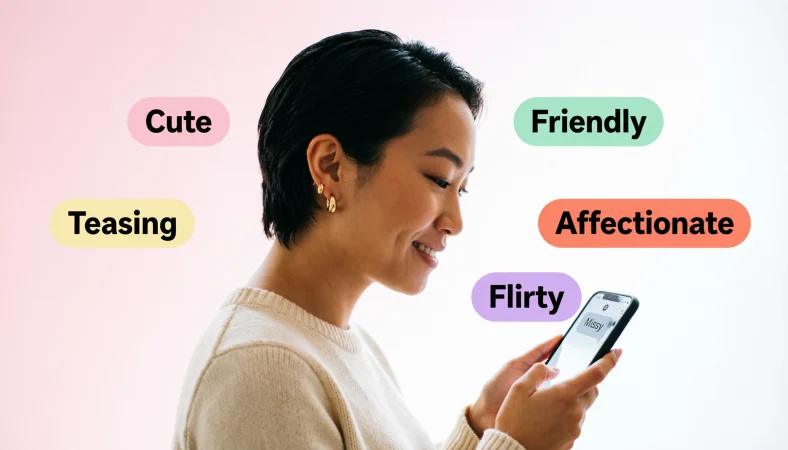
Quick Answer: When a guy calls you “Missy,” it usually sounds playful, familiar, teasing, or affectionate, depending on his tone and your relationship. It can be a cute nickname, a light tease, or simply a casual way of addressing you.
Playful nickname, cute teasing, affectionate greeting, friendly banter, flirty nickname
A guy calling you “Missy” can definitely make you pause and wonder, “Okay, what exactly was that supposed to mean?” The word itself is simple, but the meaning can change dramatically depending on the guy, your relationship, and especially the tone behind it.
You might see “Missy” in a text, hear it from a guy friend, catch it during playful banter, or notice your crush suddenly using it instead of your actual name. Sometimes it is completely innocent. Other times, it can carry a little extra warmth or flirtation.
Understanding what does it mean when a guy calls you missy is really about reading the context rather than overanalyzing one word. His personality, your history, how often he says it, and what comes before or after it all matter. Below, you’ll find playful, flirty, cute, confident, clever, and thoughtful ways to interpret and respond to “Missy” without turning one nickname into a full detective investigation.
Playful Interpretations
“He’s probably just teasing you.”
Use this interpretation when he normally jokes around with you.
Meaning: He may be using “Missy” as a lighthearted nickname rather than making a serious statement.
“He’s being friendly.”
Use this when your relationship is casual and comfortable.
Meaning: The nickname may simply show familiarity.
“He likes getting a reaction from you.”
Use this when he repeatedly uses the name after teasing you.
Meaning: He may enjoy your playful responses.
“He’s making the conversation more personal.”
Use this when he rarely uses nicknames with other people.
Meaning: “Missy” may create a warmer and more familiar tone.
“He probably thinks it suits you.”
Use this when he says it naturally without any obvious flirtation.
Meaning: He may simply associate the nickname with your personality.
“He’s adding some personality to the conversation.”
Use this when the conversation is already relaxed.
Meaning: The nickname can make ordinary messages feel more playful.
“He could be playfully calling you out.”
Use this when you have just done something cheeky or stubborn.
Meaning: “Missy” can carry a teasing, mock-serious tone.
“He may be comfortable around you.”
Use this when he has gradually become more casual with you.
Meaning: Nicknames often appear when people feel relaxed together.
“He could be testing your reaction.”
Use this when the nickname suddenly appears.
Meaning: He may be curious whether you like the new level of familiarity.
“He might just have a nickname habit.”
Use this when he gives everyone playful names.
Meaning: The word may not have any romantic meaning at all.
“He’s keeping things light.”
Use this when the conversation is casual or humorous.
Meaning: “Missy” can make the interaction feel less formal.
“He may be enjoying your banter.”
Use this when you two regularly tease each other.
Meaning: The nickname can be part of your shared playful dynamic.
Cute Interpretations
“He thinks you’re adorable.”
Use this interpretation when his tone is noticeably warm.
Meaning: “Missy” can sound affectionate when used gently.
“It might be his little nickname for you.”
Use this when he uses it consistently.
Meaning: Repetition can turn a casual word into a personal nickname.
“He may feel comfortable with you.”
Use this when the nickname appears during relaxed conversations.
Meaning: Familiar language can signal emotional comfort.
“He could be showing subtle affection.”
Use this when his messages are generally sweet toward you.
Meaning: The nickname may be one small way he expresses fondness.
“He might like your personality.”
Use this when he uses “Missy” after playful moments.
Meaning: The nickname may reflect how he sees your character.
“He could find the nickname cute.”
Use this when he says it with a smile or playful tone.
Meaning: Sometimes the word is simply charming to him.
“He may be trying to make you smile.”
Use this when he uses it during friendly teasing.
Meaning: The nickname can be an easy way to create a playful moment.
“He might enjoy having a special way to address you.”
Use this when he rarely uses your actual name.
Meaning: A nickname can create a sense of familiarity.
“He may associate you with playful energy.”
Use this when you often joke together.
Meaning: “Missy” can match a fun personality.
“He could be giving you a soft little tease.”
Use this when the tone is affectionate rather than sarcastic.
Meaning: The nickname can combine teasing with warmth.
“He might simply think it sounds good on you.”
Use this when there is no deeper context.
Meaning: Sometimes a nickname is chosen because it feels natural.
“He may be comfortable enough to be silly with you.”
Use this when his behavior becomes more relaxed around you.
Meaning: Playful nicknames often appear with increased familiarity.
Flirty Interpretations
“He may be flirting a little.”
Use this interpretation when “Missy” comes with compliments or teasing.
Meaning: The nickname may be part of a subtle flirtatious style.
“He could be testing the chemistry.”
Use this when his behavior has recently become more playful.
Meaning: He may be seeing how you respond to extra attention.
“He might be trying to create a private vibe.”
Use this when he uses the nickname mostly with you.
Meaning: A personal nickname can make interactions feel more intimate.
“He may like the way you react.”
Use this when he keeps using it after you tease him back.
Meaning: Your reaction could encourage him to continue.
“He could be flirting without making it obvious.”
Use this when his overall behavior is subtly suggestive.
Meaning: The nickname may be one small part of a bigger pattern.
“He might be trying to sound charming.”
Use this when his messages have a playful confidence.
Meaning: “Missy” can add a little character to flirtatious banter.
“He may be giving you a cute nickname on purpose.”
Use this when he starts using it frequently.
Meaning: Consistent nickname use can show intentional familiarity.
“He could be showing interest indirectly.”
Use this when he also seeks reasons to talk to you.
Meaning: The nickname may accompany other signs of attraction.
“He might be enjoying your playful chemistry.”
Use this when your conversations naturally include teasing.
Meaning: “Missy” can become part of your flirtatious rhythm.
“He may be seeing how comfortable you are with him.”
Use this when the nickname is new.
Meaning: His choice may be a low-pressure way to increase familiarity.
“He could simply have a naturally flirty personality.”
Use this when he talks this way with many people.
Meaning: His wording alone may not prove romantic interest.
“He might be adding a little spark to the conversation.”
Use this when the exchange already feels playful.
Meaning: The nickname can subtly increase flirtatious energy.
Friendly Interpretations
“He probably sees you as a friend.”
Use this when your relationship has always been platonic.
Meaning: “Missy” may simply reflect friendship.
“He’s comfortable joking with you.”
Use this when you regularly tease each other.
Meaning: The nickname can show easygoing friendship.
“He may have picked it up naturally.”
Use this when he has used nicknames casually before.
Meaning: It may not have been carefully chosen.
“He could be keeping things casual.”
Use this when the conversation has no romantic undertone.
Meaning: “Missy” can be a relaxed form of address.
“He may just like playful language.”
Use this when he gives everyone funny nicknames.
Meaning: His communication style may explain it.
“He might be comfortable enough to joke around.”
Use this when he rarely acts formal with you.
Meaning: The nickname can signal familiarity.
“He may be treating you like one of his close friends.”
Use this when your friendship is established.
Meaning: It can indicate closeness without romance.
“He could be playfully calling you out.”
Use this when you have just said something cheeky.
Meaning: The nickname may function like a playful warning.
“He might be matching your energy.”
Use this when you both use casual nicknames.
Meaning: He may simply be following the tone you created.
“He may not mean anything deeper.”
Use this when there are no other signs of interest.
Meaning: One nickname does not automatically indicate attraction.
“He could simply enjoy the nickname.”
Use this when he uses it casually and consistently.
Meaning: Some people naturally prefer nicknames.
“He may just be being himself.”
Use this when his entire communication style is playful.
Meaning: The word may reflect his personality more than his feelings.
Teasing Interpretations
“Okay, Missy, behave.”
Use this interpretation when he is playfully correcting you.
Meaning: He may be pretending to be mock-serious.
“Someone’s feeling cheeky.”
Use this when he says “Missy” after you make a bold comment.
Meaning: He may be teasing you for being playful.
“He’s playfully putting you on the spot.”
Use this when the nickname appears after you challenge him.
Meaning: He may be turning the moment into banter.
“He thinks you’re being stubborn.”
Use this when you refuse to change your mind.
Meaning: “Missy” can sound like a playful response to stubbornness.
“He’s enjoying the little argument.”
Use this when you two are jokingly disagreeing.
Meaning: The nickname can make the disagreement feel less serious.
“He’s pretending to be the boss.”
Use this when his tone is exaggeratedly authoritative.
Meaning: He may be joking about having control.
“He’s giving you a playful warning.”
Use this when you have crossed into cheeky territory.
Meaning: “Missy” can imply that he noticed your behavior.
“He’s probably amused by you.”
Use this when he says it while laughing.
Meaning: The nickname may show he finds your behavior entertaining.
“He’s leaning into your personality.”
Use this when you are naturally bold or mischievous.
Meaning: The nickname may reflect how he sees you.
“He’s keeping the banter alive.”
Use this when the conversation is already full of jokes.
Meaning: “Missy” can be another playful line in the exchange.
“He may be teasing because he feels comfortable.”
Use this when you already know each other well.
Meaning: Familiarity often makes teasing easier.
“He could be waiting for you to tease him back.”
Use this when he clearly enjoys playful exchanges.
Meaning: The nickname may invite another witty response.
Confident Interpretations
“He clearly notices your personality.”
Use this when he repeatedly gives you playful labels.
Meaning: He may find your presence memorable.
“He may see you as someone with attitude.”
Use this when “Missy” follows a bold statement.
Meaning: The nickname can highlight confidence or cheekiness.
“He might think you’re not easily intimidated.”
Use this when your conversations are full of playful challenges.
Meaning: He may recognize your strong personality.
“He could be acknowledging your confidence.”
Use this when he uses the nickname after you stand your ground.
Meaning: The word may be his playful response to your certainty.
“He may enjoy your independent energy.”
Use this when you rarely back down from your opinions.
Meaning: The nickname can reflect admiration for your personality.
“He might think you’re a little trouble.”
Use this when your conversations are mischievous.
Meaning: “Missy” can imply playful trouble without being negative.
“He may like that you challenge him.”
Use this when you often disagree playfully.
Meaning: He could enjoy the mental back-and-forth.
“He might see you as memorable.”
Use this when he creates a nickname specifically for you.
Meaning: A personal nickname can signal that you stand out.
“He could be acknowledging your bold side.”
Use this when you have just said something daring.
Meaning: “Missy” can emphasize your confidence.
“He may find your attitude entertaining.”
Use this when he laughs at your bold comments.
Meaning: He likely enjoys your personality rather than being bothered by it.
“He could be inviting more banter.”
Use this when he uses the nickname after a playful challenge.
Meaning: He may want you to keep the energy going.
“He probably knows you can handle the teasing.”
Use this when your relationship is comfortable.
Meaning: The nickname may reflect mutual confidence.
Sarcastic Interpretations
“Oh, so we’re using nicknames now?”
Use this when you want to tease him about the sudden change.
Meaning: You are playfully pointing out his new choice of words.
“Missy? That’s what we’re going with?”
Use this when you want to challenge the nickname humorously.
Meaning: You are pretending to be unimpressed.
“Interesting choice of nickname.”
Use this when you want to keep him guessing.
Meaning: The response adds playful mystery.
“Should I be concerned?”
Use this when the nickname appears during teasing.
Meaning: You are exaggerating the situation for humor.
“Who gave you permission?”
Use this when you want a cheeky comeback.
Meaning: You are jokingly acting offended.
“That nickname needs a committee review.”
Use this when you want a more creative response.
Meaning: You are humorously rejecting the seriousness of the nickname.
“Bold of you to call me that.”
Use this when he suddenly gets comfortable.
Meaning: You are teasing him for being confident.
“Look at you getting familiar.”
Use this when he starts using “Missy” regularly.
Meaning: You are playfully noticing his increased familiarity.
“Careful, that nickname might grow on me.”
Use this when you want playful ambiguity.
Meaning: You are teasing him while leaving room for flirtation.
“You seem very comfortable with that nickname.”
Use this when he keeps repeating it.
Meaning: You are lightly calling attention to his habit.
“Missy? You’re feeling brave today.”
Use this when he says it after teasing you.
Meaning: You are matching his playful confidence.
“I’ll allow it, for now.”
Use this when you secretly like the nickname.
Meaning: You are pretending to grant him permission.
Cute Responses
“Missy actually sounds kinda cute.”
Use this when you genuinely like the nickname.
Meaning: You are showing that his choice made you smile.
“Okay, I might let you keep that one.”
Use this when you want to be playful and warm.
Meaning: You are accepting the nickname with charm.
“Aww, you gave me a nickname.”
Use this when he has just started using it.
Meaning: You are showing that you noticed the affectionate gesture.
“That’s kinda adorable coming from you.”
Use this when you want to compliment his style.
Meaning: You are returning the warmth.
“I think I like being Missy.”
Use this when you want to encourage him to continue.
Meaning: You are openly showing approval.
“You make ‘Missy’ sound cute.”
Use this when you want a slightly flirty touch.
Meaning: You are complimenting him while accepting the nickname.
“Well, that’s officially my new nickname.”
Use this when you want to make the moment memorable.
Meaning: You are playfully embracing it.
“Not gonna lie, I kinda like that.”
Use this when you want to sound natural and relaxed.
Meaning: You are admitting that the nickname works for you.
“Missy has entered the chat.”
Use this when you want a modern, playful reply.
Meaning: You are humorously accepting the nickname.
“Okay, that was actually sweet.”
Use this when his tone feels affectionate.
Meaning: You are acknowledging the warmth behind it.
“You’re making me like this nickname.”
Use this when he keeps using it.
Meaning: You are playfully encouraging the habit.
“Fine, I’ll answer to Missy.”
Use this when you want to sound cute and teasing.
Meaning: You are accepting the nickname with playful reluctance.
Funny Interpretations
“Did I accidentally join a 1950s sitcom?”
Use this when you want to joke about the old-school feel.
Meaning: You are making the nickname sound humorously dramatic.
“Missy? Where did that come from?”
Use this when the nickname catches you off guard.
Meaning: You are playfully asking about his choice.
“Is this my official government nickname now?”
Use this when you want an exaggerated joke.
Meaning: You are making the nickname sound unnecessarily official.
“Do I get a membership card too?”
Use this when you want to extend the joke.
Meaning: You are treating the nickname like membership in a club.
“Please address me by my full royal title.”
Use this when you want theatrical humor.
Meaning: You are exaggerating the importance of the nickname.
“Missy sounds like I’m about to cause paperwork.”
Use this when the nickname feels mischievous.
Meaning: You are joking about being trouble.
“That nickname has entered its main-character era.”
Use this when you want internet-style humor.
Meaning: You are making the nickname sound dramatically important.
“I’m going to need a moment to process this development.”
Use this when he unexpectedly uses the nickname.
Meaning: You are pretending the situation is much more serious than it is.
“Well, that escalated from my actual name.”
Use this when the nickname suddenly appears.
Meaning: You are playfully highlighting the change.
“Missy? Sir, explain yourself.”
Use this when you want mock seriousness.
Meaning: You are inviting him to justify the nickname.
“I accept payment in snacks for nickname approval.”
Use this when you want a silly comeback.
Meaning: You are turning the nickname into a playful bargain.
“Congratulations, you unlocked a new level of familiarity.”
Use this when he becomes more comfortable with you.
Meaning: You are humorously acknowledging the increased closeness.
Chill And Casual Interpretations
“He probably just means it casually.”
Use this when there are no obvious romantic signals.
Meaning: The simplest explanation may be the correct one.
“It’s likely just a friendly nickname.”
Use this when you have a relaxed friendship.
Meaning: “Missy” does not necessarily carry hidden meaning.
“He might say it without thinking much about it.”
Use this when he uses casual language naturally.
Meaning: The word may simply be part of his communication style.
“It could just be his way of saying hey.”
Use this when “Missy” appears at the start of a message.
Meaning: The nickname may function as a casual greeting.
“He may just like how it sounds.”
Use this when nothing else seems unusual.
Meaning: Sometimes there is no deeper explanation.
“It probably depends on the vibe.”
Use this when his tone changes from situation to situation.
Meaning: Context matters more than the nickname itself.
“Don’t overthink one word.”
Use this when you are tempted to analyze every detail.
Meaning: A nickname alone cannot reveal his intentions.
“Look at the bigger picture.”
Use this when you want to understand his behavior accurately.
Meaning: His overall actions matter more than one phrase.
“Notice whether he says it only to you.”
Use this when you are wondering if it is personal.
Meaning: Exclusivity can provide useful context.
“Pay attention to what happens next.”
Use this when the nickname is brand new.
Meaning: His continued behavior may reveal more than the first use.
“It could be nothing deeper than friendly banter.”
Use this when your relationship is clearly platonic.
Meaning: Not every nickname has romantic significance.
“Relax, Missy.”
Use this when you want to joke about your own overthinking.
Meaning: You are keeping the situation light.
Romantic Interpretations
“He may have a soft spot for you.”
Use this when he is consistently warm and attentive.
Meaning: The nickname may be part of genuine affection.
“He could be subtly showing interest.”
Use this when his behavior includes other signs of attraction.
Meaning: The nickname may be one clue among several.
“He might enjoy having a personal nickname for you.”
Use this when he rarely gives others nicknames.
Meaning: The choice may feel special to him.
“He may be comfortable expressing affection indirectly.”
Use this when he is not openly romantic.
Meaning: A playful nickname can communicate warmth without being direct.
“He could be building a playful connection.”
Use this when your conversations are becoming more frequent.
Meaning: The nickname may help create familiarity.
“He might be trying to make you smile.”
Use this when he uses it during sweet moments.
Meaning: The nickname can be a small affectionate gesture.
“He may like your attention.”
Use this when he frequently starts conversations.
Meaning: The nickname could accompany his desire to stay connected.
“He could be comfortable showing his softer side.”
Use this when his language becomes increasingly warm.
Meaning: A nickname can reflect emotional comfort.
“He might be flirting in a low-key way.”
Use this when there is playful chemistry but no direct confession.
Meaning: The nickname can add subtle romantic energy.
“He may be trying to establish an inside joke.”
Use this when the nickname comes from a shared moment.
Meaning: Private humor can create a stronger sense of connection.
“He could simply be affectionate by nature.”
Use this when he uses cute nicknames with many people.
Meaning: His personality may explain the behavior.
“The nickname alone is not proof of romance.”
Use this when you want to stay grounded.
Meaning: Romantic meaning becomes clearer when his other actions support it.
Confident Responses
“Missy? I can work with that.”
Use this when you want to accept the nickname confidently.
Meaning: You are comfortable with his choice and your own personality.
“I’ll take that as a compliment.”
Use this when the tone feels positive.
Meaning: You are turning the nickname into something flattering.
“You seem to like calling me that.”
Use this when he keeps repeating it.
Meaning: You are confidently pointing out his interest in the nickname.
“Careful, you’re getting comfortable.”
Use this when you want playful confidence.
Meaning: You are teasing him for becoming familiar.
“I have to admit, it suits me.”
Use this when you like the nickname.
Meaning: You are confidently owning it.
“You picked a good one.”
Use this when you want to sound relaxed.
Meaning: You are approving his nickname without overdoing it.
“I’ll allow the nickname.”
Use this when you want a playful power move.
Meaning: You are jokingly making yourself the decision-maker.
“Not bad, you’re learning.”
Use this when he chooses the nickname unexpectedly.
Meaning: You are teasing him while showing approval.
“Guess I’ve officially got a nickname now.”
Use this when he starts using it repeatedly.
Meaning: You are confidently acknowledging the change.
“I can tell you enjoy saying that.”
Use this when he clearly likes using the nickname.
Meaning: You are playfully calling attention to his habit.
“That sounds better than my actual name.”
Use this when you want to encourage him.
Meaning: You are showing strong approval with humor.
“Keep calling me that and I might start liking it.”
Use this when you want subtle flirtation.
Meaning: You are confidently leaving the door open.
Sweet Interpretations
“He probably feels comfortable around you.”
Use this when the nickname appears during heartfelt conversations.
Meaning: It may reflect emotional ease.
“He may genuinely care about you.”
Use this when he consistently checks in and shows kindness.
Meaning: The nickname can accompany genuine warmth.
“He might see you as someone special.”
Use this when the nickname is unique to you.
Meaning: Personal language can reflect emotional closeness.
“He could be expressing affection in his own way.”
Use this when he is not verbally expressive.
Meaning: Nicknames can be subtle forms of affection.
“He may like making you feel comfortable.”
Use this when his tone is consistently reassuring.
Meaning: The nickname may be intended to create familiarity.
“He might associate you with good memories.”
Use this when the nickname has history between you.
Meaning: A nickname can carry emotional associations.
“He may enjoy your presence.”
Use this when he frequently looks for reasons to talk.
Meaning: The nickname may be part of his friendly affection.
“He could be showing gentle attention.”
Use this when his messages are warm without being obviously romantic.
Meaning: The nickname may be a soft sign of care.
“He might feel like he can be himself around you.”
Use this when his communication is relaxed.
Meaning: Familiar language often comes with comfort.
“He may simply want to make the interaction warmer.”
Use this when the conversation feels friendly.
Meaning: “Missy” can soften an otherwise ordinary message.
“He could be creating a little connection.”
Use this when the nickname becomes an inside habit.
Meaning: Repeated personal language can strengthen familiarity.
“He may like the bond you two have.”
Use this when the nickname is part of an established dynamic.
Meaning: It can reflect appreciation for the relationship.
Clever Interpretations
“Context is the real translation.”
Use this when you want to understand the nickname accurately.
Meaning: His tone and behavior matter more than the word itself.
“A nickname is a clue, not a confession.”
Use this when you are wondering if he likes you.
Meaning: “Missy” may suggest familiarity but does not prove attraction.
“Frequency matters more than the first use.”
Use this when the nickname has just appeared.
Meaning: Repeated use can reveal whether it is becoming personal.
“His behavior tells the bigger story.”
Use this when the nickname is confusing.
Meaning: Actions provide more reliable clues about intention.
“Private nicknames can feel more personal.”
Use this when he only uses “Missy” with you.
Meaning: Exclusivity can make the nickname more meaningful.
“Tone changes everything.”
Use this when the same word can sound different in different situations.
Meaning: Warm, teasing, sarcastic, and flirty tones create different interpretations.
“Look for patterns, not isolated moments.”
Use this when you are trying to understand his feelings.
Meaning: Consistent behavior is more informative than one nickname.
“A playful nickname can mean playful chemistry.”
Use this when your interactions are full of banter.
Meaning: The word may reflect an enjoyable connection.
“Familiarity often arrives through nicknames.”
Use this when he gradually becomes more casual with you.
Meaning: Nicknames can signal growing comfort.
“Romance requires more than vocabulary.”
Use this when you are tempted to assume he likes you.
Meaning: Attraction is better judged through overall behavior.
“The best clue is how he treats you.”
Use this when you need a realistic interpretation.
Meaning: Respect, attention, consistency, and effort matter most.
“If you like the vibe, enjoy it.”
Use this when the nickname makes you smile.
Meaning: You do not need to overanalyze something that feels positive.
Emotional Interpretations
“He may feel emotionally close to you.”
Use this when the nickname appears during personal conversations.
Meaning: Familiar language can reflect emotional comfort.
“He might trust you.”
Use this when he openly shares personal thoughts.
Meaning: The nickname may be part of a comfortable bond.
“He could associate you with safety and familiarity.”
Use this when your conversations feel supportive.
Meaning: Personal nicknames can develop in emotionally comfortable relationships.
“He may feel nostalgic about you.”
Use this when the nickname has been used for a long time.
Meaning: It may carry memories from your relationship.
“He could be reconnecting with an old dynamic.”
Use this when he starts using the nickname after time apart.
Meaning: The word may remind him of your previous connection.
“He may be expressing warmth without saying much.”
Use this when he struggles with emotional language.
Meaning: A nickname can communicate familiarity indirectly.
“He might value the connection.”
Use this when he consistently makes time for you.
Meaning: The nickname can accompany genuine appreciation.
“He could be remembering how comfortable you were together.”
Use this when the nickname has sentimental history.
Meaning: Familiar language can bring back emotional memories.
“He may simply feel at ease with you.”
Use this when the conversation feels natural.
Meaning: Emotional comfort can lead to affectionate nicknames.
“He could be showing that he remembers you fondly.”
Use this when the nickname comes after a long gap.
Meaning: It may indicate positive memories.
“He might be trying to rebuild familiarity.”
Use this when communication has recently resumed.
Meaning: A nickname can make reconnecting feel easier.
“He may care more than his words show.”
Use this when his actions are consistently thoughtful.
Meaning: The nickname can be one small expression of deeper care.
Sassy Interpretations
“Missy? You better have a good reason.”
Use this when you want to challenge him playfully.
Meaning: You are inviting him to explain the nickname.
“Oh, we’re feeling confident today.”
Use this when he suddenly becomes extra familiar.
Meaning: You are teasing him for his boldness.
“That’s a very brave nickname choice.”
Use this when you want a cheeky response.
Meaning: You are playfully pretending he took a risk.
“You’re getting a little too comfortable.”
Use this when he repeatedly calls you Missy.
Meaning: You are teasing him about increased familiarity.
“Who said you could call me that?”
Use this when you want mock authority.
Meaning: You are turning the nickname into playful banter.
“I’ll decide if you’ve earned that privilege.”
Use this when you want confident teasing.
Meaning: You are jokingly making him prove himself.
“Missy has standards, you know.”
Use this when you want a playful confidence boost.
Meaning: You are jokingly reminding him that you have standards.
“Careful, I might start charging nickname fees.”
Use this when you want humorous sass.
Meaning: You are turning his nickname into a playful joke.
“You’re really committed to that nickname, huh?”
Use this when he keeps repeating it.
Meaning: You are teasing him for being persistent.
“I see you’ve become very familiar.”
Use this when his tone gets extra casual.
Meaning: You are playfully noticing his confidence.
“That nickname better come with benefits.”
Use this when you want cheeky humor.
Meaning: You are keeping the exchange playful and slightly suggestive.
“Keep talking like that and I might start teasing you back.”
Use this when you want to encourage banter.
Meaning: You are signaling that you are ready to match his energy.
Contextual Meanings
“If he says it jokingly, it is probably playful.”
Use this when his facial expression or messages are humorous.
Meaning: His tone suggests lighthearted teasing.
“If he says it sweetly, it may be affectionate.”
Use this when his voice becomes noticeably warm.
Meaning: The nickname may carry emotional softness.
“If he says it after teasing you, it may be mock-serious.”
Use this when you have just joked around.
Meaning: He may be pretending to correct you.
“If he says it during flirting, it may be flirtatious.”
Use this when other romantic signals are present.
Meaning: The nickname may add to the chemistry.
“If he says it to everyone, it probably means little.”
Use this when nicknames are part of his normal personality.
Meaning: His habit is more important than the specific word.
“If he only says it to you, it may feel more personal.”
Use this when you notice he does not use it with others.
Meaning: Exclusivity can make a nickname more meaningful.
“If he suddenly starts saying it, notice the timing.”
Use this when the nickname is new.
Meaning: A sudden change can provide useful context.
“If he says it after a compliment, it may be flirty.”
Use this when the nickname appears alongside praise.
Meaning: The combination can create romantic undertones.
“If he says it after an argument, it may be teasing.”
Use this when the disagreement is clearly playful.
Meaning: He may be trying to soften the tension.
“If he says it around friends, it may simply be casual.”
Use this when there is no private romantic energy.
Meaning: Public familiarity does not automatically indicate attraction.
“If he texts it late at night, context matters even more.”
Use this when the conversation has become personal.
Meaning: Timing can influence the overall vibe but does not prove intent.
“If he says it consistently, it has probably become a habit.”
Use this when the nickname has stuck.
Meaning: Repeated language can become a normal part of your dynamic.
What You Can Say Back
“Missy? I’ll allow it.”
Use this when you want to accept the nickname with playful confidence.
Meaning: You are showing approval while keeping the banter alive.
“You really like calling me that, huh?”
Use this when you want to subtly challenge him.
Meaning: You are inviting him to reveal why he likes the nickname.
“I kinda like that nickname.”
Use this when you genuinely enjoy being called Missy.
Meaning: You are openly showing that his nickname landed well.
“Careful, you’re getting comfortable.”
Use this when you want a playful, slightly flirty reply.
Meaning: You are teasing him about becoming familiar.
“Okay, that’s actually cute.”
Use this when his tone feels affectionate.
Meaning: You are acknowledging the sweetness without overdoing it.
“Where did you get Missy from?”
Use this when you genuinely want to know his reasoning.
Meaning: You are giving him an easy opportunity to explain.
“I guess I have a nickname now.”
Use this when you want to keep things casual.
Meaning: You are acknowledging the new nickname without making it serious.
“You’re making that sound way too cute.”
Use this when there is obvious playful chemistry.
Meaning: You are returning the flirtatious energy.
“Should I call you something equally embarrassing?”
Use this when you want to tease him back.
Meaning: You are playfully threatening to give him a nickname too.
“I’ll answer to Missy, apparently.”
Use this when you want a relaxed response.
Meaning: You are accepting the nickname with humor.
“Bold choice, but I’ll let it slide.”
Use this when you want a confident comeback.
Meaning: You are playfully pretending he took a risk.
“Only if I get to pick your nickname too.”
Use this when you want to turn it into mutual banter.
Meaning: You are inviting a fun, personal exchange.
FAQs
What Does It Mean When A Guy Calls You Missy?
“Missy” can be a playful nickname, friendly tease, affectionate term, or subtle flirtation. The meaning depends heavily on his tone, personality, and your relationship.
Is Being Called Missy A Flirty Sign?
It can be, especially if he only uses it with you and combines it with teasing, compliments, frequent messages, or other signs of interest. However, the nickname alone does not prove that he is flirting.
Is Missy An Affectionate Nickname?
Yes, it can be. When said warmly, “Missy” can sound cute and familiar. Some people naturally use nicknames as a way of showing affection.
What If He Calls Everyone Missy?
Then it is probably part of his communication style rather than a special romantic signal. Look at how he treats you compared with everyone else.
What If I Do Not Like Being Called Missy?
You can simply say, “Haha, you can call me by my actual name.” A respectful person should understand and adjust.
Can Missy Be A Teasing Nickname?
Absolutely. It can be especially teasing when he says it after you make a bold, cheeky, or stubborn comment.
What If My Crush Calls Me Missy?
Pay attention to the bigger picture. If he also seeks your attention, teases you, compliments you, and consistently makes an effort to talk, the nickname could be part of a flirtatious dynamic.
Is Missy Appropriate In A Professional Setting?
Usually, a professional setting calls for your actual name or a workplace-appropriate title unless you already have an established nickname with the person. “Missy” can sound overly familiar in formal situations.
What If I Do Not Know How He Means It?
Do not panic over one word. Look at his tone, timing, relationship with you, and overall behavior before deciding what it means.
Is It Okay To Joke About Being Called Missy?
Yes, especially if you already have a comfortable relationship. A light joke can turn the moment into fun banter without making things awkward.
Conclusion
Figuring out what does it mean when a guy calls you missy does not have to become a full investigation worthy of a detective series. Sometimes it is simply a playful nickname. Sometimes it shows familiarity, affection, teasing, or even a little flirtation. The real answer usually comes from the bigger picture, including his tone, consistency, effort, and how he treats you. If you like the nickname, have fun with it and give him a playful response. If you are unsure, tease him lightly and see where the conversation goes. The best conversations happen when you stop overthinking every word and start matching the energy naturally. Save this list, share it with a friend, and keep the banter going.