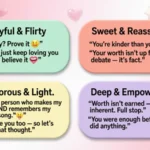
Quick Answer 🔥: Saying “looking forward to the interview” works, but it’s a bit overused. A stronger reply shows enthusiasm, professionalism, and personality without sounding repetitive or robotic such as top alternatives: “Excited to speak with you”, “Eager to discuss the role”, “I’m thrilled for the opportunity”, “Happy to connect soon”, “Can’t wait to learn more about the team”
Introduction
You’ve finally landed the interview, your inbox is open, and now comes the tiny but powerful moment… replying to confirm. Whether it’s over email, LinkedIn DMs, or even WhatsApp, what you say next matters more than you think. It sets the tone before you even walk into the room.
That’s why finding better, fresher, and more natural other ways to say looking forward to the interview can give you a real edge. You want to sound confident, interested, and professional, not copy-pasted. The good news? You don’t need to overthink it. With the right phrasing, you can leave a strong impression while still sounding like yourself.
Professional Responses
“I’m excited to discuss this opportunity with you.”
Example: Formal email reply to recruiter.
Meaning: Shows enthusiasm and professionalism.
“I look forward to speaking with you soon.”
Example: Standard confirmation email.
Meaning: Polished and respectful.
“I appreciate the opportunity and look forward to our conversation.”
Example: After interview scheduling.
Meaning: Gratitude plus interest.
“I’m eager to learn more about the role.”
Example: Early-stage interview.
Meaning: Shows curiosity.
“Looking forward to connecting with you.”
Example: LinkedIn confirmation.
Meaning: Friendly professional tone.
“I’m pleased to confirm my availability and look forward to our meeting.”
Example: Formal corporate setting.
Meaning: Professional clarity.
“I’m looking forward to discussing how I can contribute.”
Example: Role-focused reply.
Meaning: Value-driven tone.
“Thank you, I’m excited for our upcoming discussion.”
Example: Email response.
Meaning: Warm professionalism.
“I look forward to exploring this opportunity with you.”
Example: Mid-level roles.
Meaning: Thoughtful interest.
“I’m happy to connect and discuss further.”
Example: Casual professional tone.
Meaning: Friendly yet formal.
“I’m looking forward to our scheduled conversation.”
Example: Calendar confirmation.
Meaning: Clear and direct.
“I appreciate your time and look forward to speaking.”
Example: Respectful tone.
Meaning: Gratitude.
“I’m eager to connect and learn more.”
Example: Startup or modern roles.
Meaning: Curious and engaged.
“I look forward to discussing the position in detail.”
Example: Detailed role.
Meaning: Professional depth.
“Excited to move forward with the interview.”
Example: Hiring process step.
Meaning: Positive energy.
Confident Responses
“Excited to dive into this opportunity.”
Example: Bold professional tone.
Meaning: Strong enthusiasm.
“Looking forward to sharing my ideas.”
Example: Creative roles.
Meaning: Confidence in value.
“I’m ready for our conversation.”
Example: Assertive tone.
Meaning: Prepared and confident.
“Excited to bring my experience into this discussion.”
Example: Senior roles.
Meaning: Self-assured.
“I’m looking forward to showing what I can offer.”
Example: Competitive roles.
Meaning: Strong confidence.
“Can’t wait to get started with the conversation.”
Example: Modern workplace.
Meaning: Energetic tone.
“I’m excited to contribute to this discussion.”
Example: Team-based roles.
Meaning: Collaborative confidence.
“Looking forward to demonstrating my skills.”
Example: Technical roles.
Meaning: Capability focus.
“I’m ready to explore how I can add value.”
Example: Strategic roles.
Meaning: Value-driven.
“Excited to talk through my experience.”
Example: Resume-heavy roles.
Meaning: Comfortable confidence.
“I’m eager to showcase my strengths.”
Example: Competitive interview.
Meaning: Self-belief.
“Looking forward to making a great impression.”
Example: First interview.
Meaning: Positive mindset.
“I’m excited to discuss how I fit this role.”
Example: Alignment focus.
Meaning: Confident clarity.
“Ready to take this conversation forward.”
Example: Later-stage interview.
Meaning: Forward-thinking.
“Excited to connect and collaborate.”
Example: Team role.
Meaning: Confident teamwork.
Polite Responses
“Thank you, I look forward to our meeting.”
Example: Formal reply.
Meaning: Respectful tone.
“I appreciate the opportunity to interview.”
Example: Gratitude-based.
Meaning: Polite appreciation.
“Thank you for scheduling this, I look forward to it.”
Example: Email reply.
Meaning: Courtesy.
“I’m grateful for the opportunity to connect.”
Example: Professional tone.
Meaning: Humble gratitude.
“Thank you, I’m looking forward to our discussion.”
Example: Standard response.
Meaning: Polite interest.
“I appreciate your time and consideration.”
Example: Formal context.
Meaning: Respectful.
“Thank you, I’ll be ready for our conversation.”
Example: Confirmation reply.
Meaning: Prepared politeness.
“I look forward to speaking with you.”
Example: Simple reply.
Meaning: Classic tone.
“Many thanks, I’m excited to connect.”
Example: Slightly warm tone.
Meaning: Friendly professionalism.
“I appreciate the chance to interview.”
Example: Entry-level roles.
Meaning: Respectful.
“Thank you for the opportunity.”
Example: Short reply.
Meaning: Direct gratitude.
“I’m looking forward to learning more.”
Example: Curious tone.
Meaning: Polite interest.
“Thanks again, I’m excited for our conversation.”
Example: Follow-up email.
Meaning: Warm tone.
“I appreciate your time and look forward to it.”
Example: Formal tone.
Meaning: Respect.
“Thank you, I’ll see you then.”
Example: Simple confirmation.
Meaning: Polite and clear.
Friendly And Warm Responses
“Excited to chat with you soon.”
Example: Casual company culture.
Meaning: Friendly vibe.
“Looking forward to a great conversation.”
Example: Positive tone.
Meaning: Warm energy.
“Happy to connect and talk soon.”
Example: Informal setting.
Meaning: Approachable.
“Can’t wait to meet the team.”
Example: Team interview.
Meaning: Enthusiasm.
“Looking forward to getting to know more about the role.”
Example: Early interview.
Meaning: Warm curiosity.
“Excited to connect and learn more.”
Example: Startup roles.
Meaning: Friendly interest.
“Looking forward to chatting soon.”
Example: Casual email.
Meaning: Relaxed tone.
“I’m excited to speak with you.”
Example: General use.
Meaning: Positive.
“Happy to connect soon.”
Example: LinkedIn message.
Meaning: Light and warm.
“Looking forward to a productive chat.”
Example: Semi-formal.
Meaning: Balanced tone.
“Excited to learn more about your team.”
Example: Culture-focused roles.
Meaning: Genuine interest.
“Looking forward to our discussion.”
Example: Neutral tone.
Meaning: Simple and warm.
“Can’t wait to talk soon.”
Example: Informal setting.
Meaning: Enthusiastic.
“Excited for our upcoming chat.”
Example: Friendly tone.
Meaning: Positive vibe.
“Looking forward to connecting.”
Example: Short message.
Meaning: Warm and easy.
Enthusiastic Responses
“I’m really excited for this opportunity.”
Example: Dream job.
Meaning: Strong enthusiasm.
“Can’t wait to discuss this role.”
Example: Eager tone.
Meaning: High energy.
“I’m thrilled to be considered.”
Example: Competitive role.
Meaning: Gratitude plus excitement.
“Super excited to connect.”
Example: Modern tone.
Meaning: Casual enthusiasm.
“I’m genuinely excited for this conversation.”
Example: Authentic tone.
Meaning: Real interest.
“Really looking forward to this.”
Example: Simple excitement.
Meaning: Natural tone.
“I’m excited to learn and share.”
Example: Balanced tone.
Meaning: Engagement.
“Can’t wait to explore this opportunity.”
Example: Growth roles.
Meaning: Eagerness.
“I’m excited to take this next step.”
Example: Hiring stage.
Meaning: Progress focus.
“Looking forward to an exciting discussion.”
Example: Positive tone.
Meaning: Energy.
“I’m thrilled for our upcoming interview.”
Example: Formal excitement.
Meaning: Strong interest.
“Really excited to dive deeper.”
Example: Mid-stage interview.
Meaning: Engagement.
“I’m eager to connect soon.”
Example: Friendly tone.
Meaning: Anticipation.
“Excited to discuss this further.”
Example: Follow-up stage.
Meaning: Continued interest.
“Can’t wait to speak with you.”
Example: Informal tone.
Meaning: High enthusiasm.
Short And Simple Responses
“Looking forward to it.”
Example: Quick reply.
Meaning: Simple and clear.
“Excited to connect.”
Example: Short email.
Meaning: Positive.
“See you then.”
Example: Confirmation.
Meaning: Direct.
“Can’t wait.”
Example: Informal tone.
Meaning: Enthusiastic.
“Happy to chat.”
Example: Casual reply.
Meaning: Friendly.
“Talk soon.”
Example: Ending email.
Meaning: Light and easy.
“Excited for this.”
Example: Quick message.
Meaning: Positive tone.
“Looking forward.”
Example: Minimal reply.
Meaning: Neutral.
“See you soon.”
Example: Scheduled meeting.
Meaning: Friendly.
“All set for it.”
Example: Confirmation.
Meaning: Prepared.
“Ready to go.”
Example: Confident tone.
Meaning: Preparedness.
“Let’s do it.”
Example: Casual company.
Meaning: Energetic.
“Sounds great.”
Example: Agreement.
Meaning: Positive.
“Confirmed, thanks.”
Example: Professional reply.
Meaning: Direct.
“I’ll be there.”
Example: Meeting confirmation.
Meaning: Clear.
Clever Responses
“Excited to put a face to the opportunity.”
Example: Virtual interview.
Meaning: Creative phrasing.
“Looking forward to turning this into a conversation.”
Example: After emails.
Meaning: Engagement.
“Excited to bring my resume to life.”
Example: Interview stage.
Meaning: Creative confidence.
“Looking forward to going beyond the CV.”
Example: Professional tone.
Meaning: Depth.
“Excited to connect beyond the application.”
Example: Hiring process.
Meaning: Human touch.
“Ready to turn ideas into discussion.”
Example: Creative roles.
Meaning: Innovation.
“Looking forward to meaningful conversation.”
Example: Thoughtful tone.
Meaning: Depth.
“Excited to share my perspective.”
Example: Strategy roles.
Meaning: Insightful.
“Looking forward to exploring possibilities.”
Example: Growth roles.
Meaning: Open mindset.
“Excited to connect the dots.”
Example: Analytical roles.
Meaning: Smart tone.
“Looking forward to discussing impact.”
Example: Leadership roles.
Meaning: Value focus.
“Excited to bring ideas to the table.”
Example: Team roles.
Meaning: Contribution.
“Looking forward to a thoughtful exchange.”
Example: Formal tone.
Meaning: Professional depth.
“Excited to explore alignment.”
Example: Fit-focused role.
Meaning: Strategic.
“Looking forward to meaningful dialogue.”
Example: Formal interview.
Meaning: Strong communication.
Modern And Casual Responses
“Excited to hop on the call.”
Example: Remote interview.
Meaning: Casual modern tone.
“Looking forward to our chat.”
Example: Startup culture.
Meaning: Friendly.
“Can’t wait to connect.”
Example: Informal message.
Meaning: Enthusiasm.
“Excited for the convo.”
Example: Casual tone.
Meaning: Relaxed.
“Looking forward to it.”
Example: General use.
Meaning: Neutral.
“Let’s connect soon.”
Example: LinkedIn.
Meaning: Friendly.
“Excited to meet virtually.”
Example: Online interview.
Meaning: Modern phrasing.
“Looking forward to the call.”
Example: Remote setup.
Meaning: Clear.
“Happy to jump on a call.”
Example: Casual reply.
Meaning: Easygoing.
“Excited to connect soon.”
Example: Friendly tone.
Meaning: Positive.
“Looking forward to chatting.”
Example: Informal email.
Meaning: Warm.
“Can’t wait to talk.”
Example: Casual tone.
Meaning: Energetic.
“Excited for this chat.”
Example: Modern workplace.
Meaning: Positive.
“Looking forward to the discussion.”
Example: Balanced tone.
Meaning: Neutral.
“Let’s do this.”
Example: Casual vibe.
Meaning: Energetic.
Formal And Corporate Responses
“I look forward to our scheduled interview.”
Example: Corporate email.
Meaning: Formal tone.
“I appreciate the opportunity and look forward to speaking with you.”
Example: Executive role.
Meaning: Respectful.
“I am pleased to confirm my attendance.”
Example: Formal setting.
Meaning: Professional.
“I look forward to discussing this role in detail.”
Example: Detailed position.
Meaning: Serious tone.
“Thank you, I look forward to our meeting.”
Example: Standard corporate.
Meaning: Polite.
“I am eager to contribute to this discussion.”
Example: Leadership role.
Meaning: Professional.
“I appreciate your consideration and look forward to speaking.”
Example: Formal email.
Meaning: Respect.
“I look forward to our upcoming discussion.”
Example: Scheduled meeting.
Meaning: Clear.
“Thank you, I am looking forward to the interview.”
Example: Traditional tone.
Meaning: Formal.
“I appreciate the opportunity to interview.”
Example: Corporate.
Meaning: Gratitude.
“I look forward to connecting with you.”
Example: Professional.
Meaning: Neutral.
“I am pleased to proceed with the interview.”
Example: Formal tone.
Meaning: Structured.
“I look forward to discussing my qualifications.”
Example: Job-focused.
Meaning: Professional.
“Thank you, I will be prepared for our discussion.”
Example: Formal confirmation.
Meaning: Preparedness.
“I look forward to speaking with you soon.”
Example: Standard reply.
Meaning: Classic.
FAQs
What does “looking forward to the interview” mean?
It shows enthusiasm and readiness for the upcoming conversation.
Is it okay to sound casual in interview replies?
Yes, but match the company’s tone and keep it respectful.
What if I want to sound more confident?
Focus on what you bring, like skills or ideas, not just excitement.
Can I use humor in interview replies?
Only lightly and in informal settings.
What if I don’t feel excited?
Keep it polite and professional without forcing enthusiasm.
Conclusion
Your interview reply might feel like a small step, but it carries big energy. It’s your first real impression before the actual conversation even begins. Choosing better, more natural ways to express excitement helps you stand out without sounding forced or generic.
The key is simple. Be clear, be confident, and match your tone to the company and role. Whether you go formal, friendly, or slightly modern, your words should feel like you. Save a few favorites, test what works, and walk into your interview already leaving a strong impression.
Now go ahead and send that message like a pro.