Quick Answer: A spill response plan explains what to do when a hazardous or accidental spill happens, including how to stay safe, contain the spill, notify the right people, and clean it up properly. The best response depends on the substance, the location, and the level of risk.
Top alternatives: spill emergency plan, chemical spill response procedure, hazardous material response plan, spill containment strategy, emergency spill cleanup plan
A spill can happen in a laboratory, warehouse, workplace, factory, or even a busy kitchen. One minute everything is running smoothly, and the next, someone is staring at a puddle that definitely should not be there. Knowing what to do next can make a serious difference.
A clear spill response plan helps people react quickly without turning a small accident into a bigger problem. Whether you are writing a workplace procedure, preparing a safety briefing, training employees, or explaining emergency steps to your team, the right wording matters.
It should be easy to understand, practical, and appropriate for the situation. From calm instructions to professional safety announcements, having ready-to-use examples makes communication easier when pressure is high. Because when a spill happens, nobody needs confusion, guesswork, or an impromptu science experiment.
1. Professional Spill Response Plan Examples
- Follow the approved spill response procedure.
Example: Used in workplace safety instructions to remind staff to follow established steps.
Meaning: Reinforces consistency and compliance with the site’s procedure. - Report the spill to the designated safety representative.
Example: Appropriate when employees discover an unexpected spill in a work area.
Meaning: Ensures the responsible person is informed promptly. - Assess the immediate hazards from a safe distance.
Example: Used in training materials before staff approach a spill.
Meaning: Prioritizes hazard awareness over rushed action. - Restrict access to the affected area.
Example: Suitable for a warehouse aisle where liquid has spilled.
Meaning: Helps prevent exposure, slips, and unnecessary entry. - Refer to the relevant safety data sheet.
Example: Used when a chemical spill requires substance-specific guidance.
Meaning: Directs staff to reliable information about the material’s hazards. - Use only authorized spill response personnel.
Example: Appropriate when a spill exceeds ordinary employee training.
Meaning: Ensures the response is handled by qualified people. - Document the incident according to site policy.
Example: Used after a spill has been controlled and the area is safe.
Meaning: Supports accurate records and follow-up actions. - Notify emergency services when the situation requires it.
Example: Appropriate for serious spills involving fire, toxic exposure, or immediate danger.
Meaning: Emphasizes escalation when specialist help is needed. - Verify that the area is safe before reopening it.
Example: Used before staff return to a spill-affected workspace.
Meaning: Prevents premature access to a potentially hazardous area. - Dispose of contaminated materials through approved channels.
Example: Used in cleanup procedures involving hazardous waste.
Meaning: Encourages safe, compliant waste handling. - Record the corrective actions taken.
Example: Appropriate for an incident report following a workplace spill.
Meaning: Creates a clear account of the response and improvements. - Review the response plan after the incident.
Example: Used during a post-incident safety meeting.
Meaning: Helps identify lessons and strengthen future preparedness.
2. Simple Spill Response Plan Examples
- Stop work and stay clear of the spill.
Example: Suitable for a quick safety poster near a work area.
Meaning: Gives people a clear first action without overwhelming them. - Warn anyone nearby.
Example: Used when a spill creates a possible slipping or exposure hazard.
Meaning: Helps protect others from entering danger. - Do not touch an unknown substance.
Example: Appropriate when staff cannot identify a spilled liquid.
Meaning: Prevents unsafe contact with an unidentified material. - Keep people away until the area is safe.
Example: Used when a spill blocks a walkway.
Meaning: Reduces the chance of injuries or exposure. - Tell your supervisor what happened.
Example: Suitable for basic employee training.
Meaning: Makes reporting straightforward and accessible. - Check the label if it is safe to do so.
Example: Used when identifying a container involved in a minor incident.
Meaning: Supports identification without encouraging risky contact. - Use the site emergency instructions.
Example: Appropriate for an employee handbook.
Meaning: Directs workers to established guidance. - Do not clean up a spill beyond your training.
Example: Used in a workplace induction session.
Meaning: Reminds employees to recognize their limits. - Get help if the spill looks dangerous.
Example: Suitable for a simple safety notice.
Meaning: Encourages escalation when the risk is unclear. - Keep drains protected only if it is safe and authorized.
Example: Used in environmental spill prevention guidance.
Meaning: Helps prevent contamination without exposing responders to danger. - Wait for clearance before returning.
Example: Appropriate after an area has been isolated.
Meaning: Prevents people from re-entering too early. - Report the spill even if it seems small.
Example: Used in staff reminders about incident reporting.
Meaning: Encourages early reporting and appropriate assessment.
3. Emergency Spill Response Plan Examples
- Raise the alarm and move away from immediate danger.
Example: Used in an emergency procedure for a serious or unknown spill.
Meaning: Prioritizes warning people and protecting lives. - Evacuate the affected area when instructed or when danger requires it.
Example: Appropriate when a spill creates a serious exposure risk.
Meaning: Helps people leave the hazard zone safely. - Contact emergency services for an uncontrolled or life-threatening spill.
Example: Used in emergency response guidance for severe incidents.
Meaning: Ensures urgent situations receive appropriate assistance. - Do not enter a contaminated area without proper authorization and protection.
Example: Used in emergency training for chemical incidents.
Meaning: Prevents untrained people from becoming additional casualties. - Identify the substance only from a safe location.
Example: Appropriate when responders need information about an unknown spill.
Meaning: Supports safer decision-making without approaching the hazard. - Provide responders with the available substance information.
Example: Used when communicating with a specialist response team.
Meaning: Helps responders understand the potential hazards. - Follow evacuation and shelter instructions from emergency personnel.
Example: Suitable for an incident affecting a large building.
Meaning: Keeps people aligned with the official response. - Keep access routes clear for emergency responders.
Example: Used in warehouse emergency procedures.
Meaning: Helps emergency teams reach the affected area. - Prevent ignition sources only when this can be done safely.
Example: Relevant when a spill may involve flammable material.
Meaning: Recognizes fire risks without encouraging dangerous intervention. - Do not attempt rescue in a contaminated zone without appropriate training and equipment.
Example: Used in emergency safety briefings.
Meaning: Prevents unprotected rescue attempts from increasing harm. - Account for personnel after an evacuation.
Example: Appropriate for a site emergency coordinator.
Meaning: Helps identify whether anyone may be missing or injured. - Re-enter only after formal clearance.
Example: Used after an emergency response has controlled the hazard.
Meaning: Ensures return is based on a safety assessment.
4. Chemical Spill Response Plan Examples
- Identify the chemical before selecting a cleanup method.
Example: Used when a labeled chemical container has leaked.
Meaning: Prevents the use of an unsuitable response method. - Consult the chemical’s safety data sheet.
Example: Appropriate for laboratory and industrial chemical incidents.
Meaning: Provides substance-specific hazard and response information. - Avoid contact with the spilled chemical.
Example: Used when a substance may irritate or burn skin.
Meaning: Reduces the risk of direct exposure. - Isolate the area according to the chemical’s hazards.
Example: Appropriate when vapors or splashes may affect nearby workers.
Meaning: Helps limit exposure to the hazard. - Use suitable protective equipment only if trained and authorized.
Example: Used in a chemical handling procedure.
Meaning: Connects protective measures to the actual risk and responder competency. - Do not mix chemicals or cleanup products.
Example: Appropriate when staff are considering a quick cleanup solution.
Meaning: Prevents potentially dangerous reactions. - Escalate unknown, highly reactive, or uncontrolled chemical spills.
Example: Used when the substance or its behavior is uncertain.
Meaning: Recognizes when specialist response is necessary. - Keep incompatible materials separated.
Example: Suitable for chemical storage and spill-response guidance.
Meaning: Reduces the chance of hazardous reactions. - Protect nearby people from possible splashes or vapors.
Example: Used in a laboratory incident procedure.
Meaning: Focuses on preventing secondary exposure. - Collect chemical waste only under the approved procedure.
Example: Appropriate for trained cleanup personnel.
Meaning: Encourages safe handling and disposal. - Record the chemical name and estimated quantity if known.
Example: Used when preparing an incident report.
Meaning: Helps safety personnel assess the event. - Arrange a safety review before restarting affected work.
Example: Suitable after a chemical spill has been controlled.
Meaning: Confirms that the work area can be used safely.
5. Funny Spill Response Plan Examples
Use these lighthearted lines for training slides or safety campaigns, not as substitutes for emergency instructions.
- The floor is not a swimming pool. Keep clear.
Example: Used on a friendly safety poster near a spill-prone area.
Meaning: Adds humor while warning people not to walk through the spill. - Unexpected puddle? Unexpected pause.
Example: Suitable for a short workplace safety reminder.
Meaning: Encourages people to stop and assess the situation. - Spill happens. Safety comes first.
Example: Used in a lighthearted employee safety campaign.
Meaning: Normalizes reporting while keeping safety central. - No mystery-liquid taste tests, please.
Example: Used in a poster warning staff not to touch unknown substances.
Meaning: Makes the no-contact rule memorable. - This puddle did not book the floor space.
Example: Suitable for a warehouse awareness sign.
Meaning: Draws attention to an unexpected hazard. - Your shoes are not chemical-testing equipment.
Example: Used in a laboratory safety reminder.
Meaning: Discourages walking through or testing a spill. - Pause the mission. Report the spill.
Example: Appropriate for a playful team safety briefing.
Meaning: Makes reporting sound simple and immediate. - The cleanup crew deserves a heads-up, not a surprise.
Example: Used in a staff notice about spill reporting.
Meaning: Encourages timely communication. - Do not turn one spill into a workplace obstacle course.
Example: Suitable for a safety poster in a busy corridor.
Meaning: Reminds people to keep others away from the hazard. - The floor has entered its slippery era. Stay back.
Example: Used in an informal safety campaign.
Meaning: Uses familiar internet phrasing to highlight a slipping risk. - Spill alert: walking normally is temporarily cancelled.
Example: Appropriate for a playful sign while an area is isolated.
Meaning: Warns people to use another route. - Safety first, cleanup second, dramatic reactions optional.
Example: Used in a team presentation about incident response.
Meaning: Encourages a calm and safe response.
6. Polite Spill Response Plan Examples
- Please keep clear of the affected area.
Example: Used when asking coworkers to avoid a spill.
Meaning: Communicates a safety restriction respectfully. - Could you please notify the safety team?
Example: Appropriate when asking a colleague to report an incident.
Meaning: Makes a clear request without sounding demanding. - Please follow the posted spill response instructions.
Example: Used in a shared workplace or laboratory.
Meaning: Directs people toward established guidance. - Thank you for reporting the spill promptly.
Example: Used when acknowledging an employee’s report.
Meaning: Reinforces positive safety behavior. - Please wait until the area has been cleared.
Example: Suitable when staff want to return to their workstations.
Meaning: Encourages patience until the hazard is addressed. - Would you help direct people away from this area, if safe?
Example: Used when requesting assistance from a nearby staff member.
Meaning: Asks for support while emphasizing personal safety. - Please avoid handling the substance.
Example: Appropriate when the material is unknown or potentially hazardous.
Meaning: Gives a respectful but firm warning. - Please share any information you have about the spill.
Example: Used when gathering details from witnesses.
Meaning: Encourages useful reporting without blame. - Let’s make sure the correct response team is informed.
Example: Suitable for a workplace incident discussion.
Meaning: Encourages coordinated action. - Please use the designated route around the affected area.
Example: Used when a corridor is temporarily closed.
Meaning: Provides a practical alternative to entering the hazard zone. - Thank you for following the safety procedure.
Example: Used after employees comply with spill instructions.
Meaning: Acknowledges responsible behavior. - Please wait for confirmation before resuming work.
Example: Appropriate after a spill cleanup.
Meaning: Helps prevent premature reopening.
7. Professional Workplace Spill Response Plan Examples
- Activate the site’s spill response procedure.
Example: Used in a workplace emergency checklist.
Meaning: Initiates the established process for managing the incident. - Notify the responsible supervisor or safety officer.
Example: Appropriate when an employee identifies a workplace spill.
Meaning: Ensures the incident reaches the appropriate person. - Secure the area in accordance with site policy.
Example: Used in a warehouse, factory, or production facility.
Meaning: Helps prevent unauthorized access to the hazard. - Determine whether trained spill responders are required.
Example: Used during an initial safety assessment.
Meaning: Helps match the response to the incident’s severity. - Confirm that appropriate spill-control materials are available.
Example: Suitable for routine workplace preparedness checks.
Meaning: Supports readiness for foreseeable incidents. - Maintain a record of the incident and response actions.
Example: Used when completing an internal safety report.
Meaning: Creates an accountable incident history. - Review any impact on nearby operations.
Example: Appropriate when a spill occurs near equipment or a production line.
Meaning: Helps identify additional operational risks. - Coordinate cleanup with the authorized response team.
Example: Used in a formal workplace procedure.
Meaning: Encourages an organized response. - Confirm waste handling arrangements before disposal.
Example: Suitable when cleanup produces contaminated materials.
Meaning: Helps ensure waste is handled correctly. - Communicate any temporary work restrictions to staff.
Example: Used when an area must remain closed.
Meaning: Keeps employees informed about operational changes. - Check that required reports have been completed.
Example: Appropriate during post-incident administration.
Meaning: Helps meet internal reporting requirements. - Assign follow-up actions to prevent recurrence.
Example: Used in a workplace safety review.
Meaning: Turns the incident into an opportunity for improvement.
8. Environmental Spill Response Plan Examples
- Prevent the spill from reaching drains where it is safe to do so.
Example: Used in environmental procedures for a liquid spill near a drain.
Meaning: Highlights the importance of protecting drainage systems without risking exposure. - Notify the environmental response contact.
Example: Appropriate when a spill could affect soil or water.
Meaning: Brings environmental expertise into the response. - Identify any nearby watercourses or sensitive areas.
Example: Used in a site environmental assessment.
Meaning: Helps responders understand potential environmental consequences. - Report possible soil contamination promptly.
Example: Appropriate when a spill occurs on bare ground.
Meaning: Supports timely investigation and mitigation. - Use approved containment methods for the material involved.
Example: Used in environmental spill planning.
Meaning: Avoids inappropriate containment choices. - Do not wash contaminants into a drain.
Example: Suitable for an environmental safety sign.
Meaning: Helps prevent the spread of pollution. - Record the affected area and visible impact.
Example: Used when documenting a spill near a storage area.
Meaning: Supports assessment and follow-up. - Notify the relevant authority when reporting is required.
Example: Appropriate when a spill may trigger regulatory reporting duties.
Meaning: Encourages compliance with applicable requirements. - Arrange specialist assessment when contamination is suspected.
Example: Used after a spill reaches soil or a waterway.
Meaning: Ensures potential environmental damage is assessed appropriately. - Keep recovered material separate from ordinary waste.
Example: Appropriate when contaminated absorbents have been collected.
Meaning: Helps prevent improper waste mixing. - Monitor the affected area as directed by specialists.
Example: Used after an environmental spill response.
Meaning: Supports checks for ongoing effects. - Review controls that could prevent a repeat incident.
Example: Suitable for a post-incident environmental meeting.
Meaning: Encourages preventive improvements.
9. Laboratory Spill Response Plan Examples
- Alert nearby laboratory personnel.
Example: Used when a spill occurs on a laboratory bench.
Meaning: Makes others aware of a possible hazard. - Identify the substance and its hazards without approaching unsafely.
Example: Appropriate when a container breaks during an experiment.
Meaning: Supports informed response decisions. - Follow the laboratory’s chemical-specific spill procedure.
Example: Used in laboratory safety training.
Meaning: Keeps the response aligned with the material and site rules. - Keep untrained staff away from the spill.
Example: Appropriate when a spill requires specialist handling.
Meaning: Prevents unnecessary exposure. - Do not assume every small spill is safe to clean.
Example: Used in a lab induction presentation.
Meaning: Reminds staff that substance hazards matter more than spill size alone. - Use the designated emergency contact for serious incidents.
Example: Appropriate for a spill involving an unknown or highly hazardous chemical.
Meaning: Helps ensure the incident receives the right level of support. - Keep contaminated equipment out of normal use.
Example: Used when a lab tool may have been exposed to a spill.
Meaning: Prevents unintended transfer of contamination. - Follow approved procedures for contaminated laboratory waste.
Example: Appropriate after authorized cleanup.
Meaning: Supports safe disposal. - Document the incident in the laboratory record.
Example: Used when completing a lab safety report.
Meaning: Preserves information for review and accountability. - Check whether nearby experiments or samples were affected.
Example: Appropriate when a spill occurs near active work.
Meaning: Helps identify secondary impacts. - Report any suspected exposure immediately.
Example: Used when a person may have contacted the substance.
Meaning: Encourages prompt access to appropriate medical or safety advice. - Obtain clearance before restarting laboratory work.
Example: Used after the incident response has finished.
Meaning: Confirms that the area is ready for safe use.
10. Oil and Fuel Spill Response Plan Examples
- Keep people away from the affected area.
Example: Used after oil or fuel leaks from equipment.
Meaning: Reduces exposure and slipping risks. - Eliminate ignition sources only when it is safe and authorized.
Example: Appropriate when fuel vapors may be present.
Meaning: Recognizes the potential for fire or explosion. - Notify the designated emergency contact.
Example: Used when fuel escapes from storage or machinery.
Meaning: Brings the correct responders into the situation. - Prevent entry into drains or waterways if safe to do so.
Example: Appropriate for an outdoor fuel spill.
Meaning: Helps limit environmental contamination. - Do not start engines or operate equipment near a suspected vapor hazard.
Example: Used in a fuel spill safety notice.
Meaning: Helps avoid potential ignition. - Use the approved plan for the specific fuel or oil.
Example: Appropriate for a spill at a maintenance facility.
Meaning: Keeps response methods matched to the material. - Report the estimated quantity if it can be determined safely.
Example: Used during incident notification.
Meaning: Gives responders useful information. - Keep vehicles and unnecessary equipment away.
Example: Appropriate when a spill affects a vehicle yard.
Meaning: Reduces traffic, ignition, and exposure risks. - Arrange specialist cleanup when required.
Example: Used for larger or uncontrolled fuel spills.
Meaning: Ensures the incident is handled by capable responders. - Manage contaminated absorbents as regulated waste where applicable.
Example: Appropriate after an authorized cleanup.
Meaning: Prevents unsafe disposal. - Inspect the source of the leak before restarting equipment.
Example: Used after a machinery oil leak has been addressed.
Meaning: Helps prevent another spill. - Review storage and maintenance controls after the incident.
Example: Appropriate for a post-incident review.
Meaning: Targets the cause instead of only the visible mess.
11. Spill Response Plan Examples for Warehouses
- Block access to the affected aisle.
Example: Used when a spill occurs in a busy warehouse route.
Meaning: Keeps workers and vehicles away from danger. - Alert the warehouse supervisor.
Example: Appropriate when a forklift operator notices a leak.
Meaning: Starts the site’s reporting process. - Stop nearby vehicle movement when required for safety.
Example: Used when a spill makes a forklift route unsafe.
Meaning: Reduces the risk of collisions or spreading contamination. - Identify the affected product or substance from a safe location.
Example: Appropriate when a container has been damaged.
Meaning: Helps determine the correct response. - Keep loading and unloading activities away from the spill.
Example: Used when a spill occurs near a delivery area.
Meaning: Prevents traffic from interfering with the response. - Follow the storage area’s emergency procedure.
Example: Suitable for chemical or liquid storage zones.
Meaning: Ensures the response fits the stored materials. - Do not move damaged containers unless authorized and safe.
Example: Used after a container leaks from a pallet.
Meaning: Avoids worsening the spill or exposing staff. - Keep spill supplies accessible to authorized responders.
Example: Appropriate for warehouse safety checks.
Meaning: Supports effective preparedness. - Report damaged packaging and the spill together.
Example: Used when a leaking container caused the incident.
Meaning: Helps identify the source and the immediate hazard. - Check adjacent stock for possible contamination.
Example: Appropriate after a spill near stored goods.
Meaning: Identifies items that may need assessment. - Keep the route closed until it has been inspected.
Example: Used before reopening a warehouse aisle.
Meaning: Prevents premature traffic through the area. - Review handling practices after repeated spills.
Example: Appropriate for a warehouse safety meeting.
Meaning: Helps reduce recurring incidents.
12. Spill Response Plan Examples for Training
- Recognize the spill, stop, and assess from a safe position.
Example: Used as the first step on a staff training slide.
Meaning: Teaches employees to pause before acting. - Know who to contact for different spill types.
Example: Appropriate for an employee induction session.
Meaning: Makes escalation routes easier to remember. - Never attempt a cleanup beyond your training.
Example: Used in a safety toolbox talk.
Meaning: Reinforces personal limits and responder safety. - Know where the spill procedure is located.
Example: Suitable for a workplace orientation checklist.
Meaning: Helps employees find guidance quickly. - Practice how to report a spill clearly.
Example: Used in a tabletop emergency exercise.
Meaning: Improves communication during real incidents. - Understand when an area needs to be evacuated.
Example: Appropriate for emergency response training.
Meaning: Helps staff recognize situations requiring withdrawal. - Learn the warning signs of an uncontrolled spill.
Example: Used in hazardous materials awareness training.
Meaning: Helps employees recognize when specialist help may be necessary. - Review the correct disposal rules for contaminated waste.
Example: Suitable for authorized cleanup personnel.
Meaning: Reduces the chance of improper waste handling. - Know how to protect nearby workers from exposure.
Example: Used in a team safety briefing.
Meaning: Encourages awareness of other people’s safety. - Practice incident reporting without assigning blame.
Example: Appropriate for a workplace learning session.
Meaning: Encourages honest and timely reporting. - Test emergency contacts and reporting routes periodically.
Example: Used during a safety plan review.
Meaning: Helps confirm that communication arrangements work. - Review lessons learned after each practice exercise.
Example: Suitable for a post-drill discussion.
Meaning: Turns training into measurable improvement.
13. Short Spill Response Plan Examples for Posters
- Spill spotted? Stop, stay clear, and report.
Example: Used on a compact workplace safety poster.
Meaning: Summarizes immediate priorities. - Unknown liquid? Do not touch it.
Example: Suitable for a shared facility.
Meaning: Warns against contact with unidentified substances. - Keep clear until the area is safe.
Example: Used near a temporary spill barrier.
Meaning: Discourages unsafe entry. - Report every spill promptly.
Example: Appropriate for a staff noticeboard.
Meaning: Encourages early communication. - Only trained personnel handle hazardous spills.
Example: Used in a chemical storage area.
Meaning: Reinforces limits on who may perform cleanup. - Protect people first. Follow the plan.
Example: Suitable for an emergency information board.
Meaning: Prioritizes safety and procedure. - Never wash spills into drains.
Example: Used where liquid contamination could reach drainage.
Meaning: Helps prevent environmental pollution. - Keep emergency routes clear.
Example: Appropriate for a warehouse or workshop.
Meaning: Supports safe movement during an incident. - Check the safety data sheet when relevant.
Example: Used near chemical handling instructions.
Meaning: Reminds staff to consult substance-specific guidance. - Report exposure immediately.
Example: Suitable for a laboratory safety poster.
Meaning: Encourages prompt attention to possible contact. - No clearance, no re-entry.
Example: Used near a temporarily restricted area.
Meaning: Makes the re-entry rule easy to remember. - Every spill is a chance to improve safety.
Example: Appropriate for a safety awareness campaign.
Meaning: Encourages learning and prevention.
14. Clever Spill Response Plan Examples
- The fastest response starts with the safest decision.
Example: Used in a safety presentation about emergency priorities.
Meaning: Reminds people that speed should not come at the expense of safety. - Contain the risk, not the information. Report early.
Example: Appropriate for a workplace reporting campaign.
Meaning: Encourages prompt and transparent communication. - A small spill can still have a big consequence.
Example: Used in a staff awareness session.
Meaning: Challenges the assumption that every small spill is harmless. - Identify first, act appropriately second.
Example: Suitable for chemical safety training.
Meaning: Highlights the importance of understanding the hazard before responding. - The right response depends on what was spilled.
Example: Used in a spill response guide.
Meaning: Explains why a single cleanup method cannot suit every substance. - A clear perimeter is better than a crowded cleanup.
Example: Appropriate when explaining access restrictions.
Meaning: Encourages people to stay clear and let authorized responders work. - Prepared teams spend less time guessing.
Example: Used during an emergency preparedness briefing.
Meaning: Highlights the value of training and planning. - Good reporting turns a spill into useful information.
Example: Suitable for a safety management meeting.
Meaning: Shows how incident details support prevention. - The cleanup is not complete until the area is safe.
Example: Used in a procedure checklist.
Meaning: Emphasizes safe verification after visible cleanup. - Prevention is the response you hope you never need.
Example: Appropriate for a safety campaign.
Meaning: Highlights preventive maintenance and good storage practices. - A good plan removes guesswork before an emergency.
Example: Used in a safety planning workshop.
Meaning: Shows why procedures should be prepared in advance. - Fix the cause, not just the puddle.
Example: Suitable for a post-incident review.
Meaning: Encourages corrective action that prevents recurrence.
15. Spill Response Plan Examples for Reports and Follow-Ups
- A spill was identified in the affected work area.
Example: Used as the opening line of an incident report.
Meaning: Records the event in neutral, factual language. - The area was restricted pending safety assessment.
Example: Appropriate when documenting access controls.
Meaning: Records how the immediate hazard was managed. - The incident was reported to the designated contact.
Example: Used in a formal workplace report.
Meaning: Documents that the reporting process was followed. - The substance was identified using available information.
Example: Appropriate when the material could be confirmed.
Meaning: Records the identification process without assuming details. - The response was carried out by authorized personnel.
Example: Used after a trained team handled the spill.
Meaning: Confirms who performed the response. - The affected area remained closed until clearance was provided.
Example: Appropriate for a report about restricted access.
Meaning: Documents the decision to prevent early re-entry. - Contaminated materials were handled under the approved procedure.
Example: Used in a cleanup record.
Meaning: Describes the waste handling approach. - Potential environmental impacts were assessed as required.
Example: Appropriate when a spill could affect drains or soil.
Meaning: Records environmental follow-up. - The incident and response actions were documented.
Example: Used in an internal safety report.
Meaning: Confirms that a record of the event exists. - The cause of the spill remains under review.
Example: Appropriate when the investigation is not yet complete.
Meaning: Communicates uncertainty accurately. - Corrective actions have been assigned for follow-up.
Example: Used in a post-incident review.
Meaning: Shows that prevention measures are being tracked. - The response plan will be reviewed for possible improvements.
Example: Suitable for the closing section of an incident report.
Meaning: Commits to learning from the incident.
FAQs
What does a spill response plan mean?
It explains how to report, assess, contain, and safely manage a spill.
Why is a spill response plan important?
It helps protect people, property, and the environment while reducing confusion during an incident.
What should a spill response plan include?
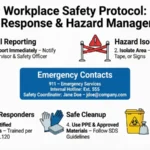
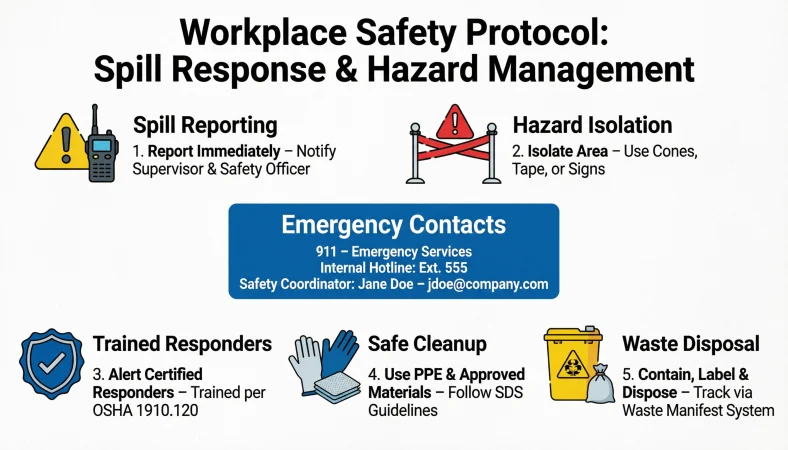
Include reporting steps, hazard assessment, isolation, emergency contacts, trained responders, cleanup, and disposal.
Can a spill response plan be used at work?
Yes. Workplaces should tailor it to their substances, risks, legal duties, and emergency procedures.
What should I say when reporting a spill?
State the location, known substance, approximate amount if safe to estimate, and any immediate danger.
Should every spill be cleaned up immediately?
No. Unknown, hazardous, or uncontrolled spills may require evacuation and specialist responders.
Can humor be used in spill response training?
Yes, for memory and engagement, but emergency instructions must stay clear and serious.
Who should handle a hazardous spill?
Only appropriately trained and authorized responders with suitable equipment should handle it.
What should happen after a spill is cleaned?
Verify safety, document the incident, manage waste properly, and review prevention measures.
How often should a spill response plan be reviewed?
Review it periodically and after incidents, changes in hazards, or updates to relevant requirements.
Conclusion
A well-written spill response plan does more than explain how to deal with a puddle. It helps people recognize hazards, report incidents, protect others, and understand when specialist support is needed. Whether you are preparing workplace instructions, a safety poster, a training session, or an incident report, clear wording makes the next step easier to understand.
The best response is not always the fastest cleanup. It is the safest action for the substance and situation involved. Save these examples, adapt them to your workplace procedures, and share them with your team. A little preparation today can make a big difference when a spill happens tomorrow.