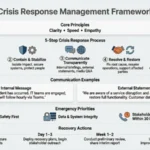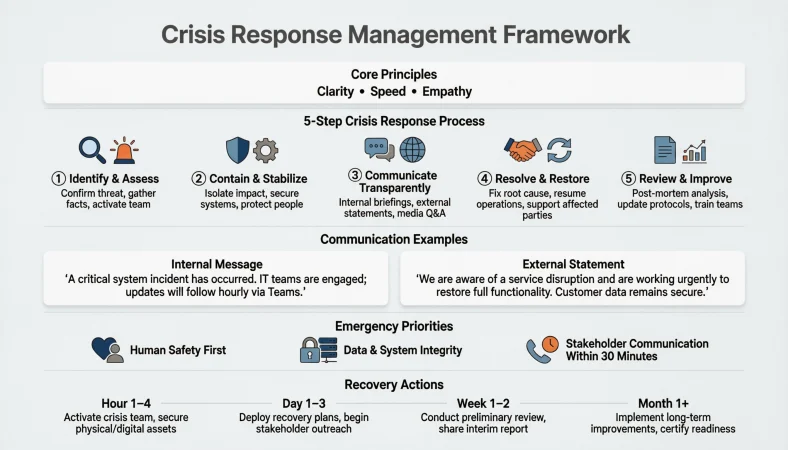
Quick Answer: Crisis response management is the process of preparing for, handling, and recovering from unexpected events that threaten people, operations, or an organization’s reputation. The right response helps teams stay calm, communicate clearly, and take action before a difficult situation gets worse.
Top alternatives: emergency response management, crisis communication strategies, incident response planning, emergency crisis management, organizational crisis response
Crisis response management is not just about putting out fires. Sometimes, it means handling a customer complaint, responding to negative publicity, managing a workplace emergency, or helping a team stay focused when everything feels like it is happening at once. The best response is usually calm, clear, and action-oriented.
Ever had one of those moments when everything goes wrong at the same time? A system crashes, customers start asking questions, social media catches fire, and suddenly everyone wants an update. That is when crisis response management becomes more than a business buzzword. It becomes the difference between a controlled response and a situation that spirals out of control.
Whether you are managing a workplace emergency, responding to a public relations issue, handling a cybersecurity incident, or helping a team through an unexpected disruption, the words you choose matter. A clear response can build trust, reduce confusion, and help people understand what happens next. The goal is not to sound perfect or pretend everything is fine. It is to communicate honestly, make informed decisions, and take meaningful action. With the right approach, even a difficult crisis can become an opportunity to demonstrate responsibility, resilience, and leadership.
1. Professional Crisis Response Management Responses
- We are actively assessing the situation.
Use this when an incident has been reported and the team is gathering verified information.
Meaning: The situation is being reviewed before decisions are made. - Our immediate priority is everyone’s safety.
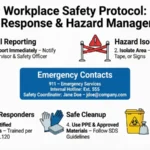
Use this during workplace emergencies or events that could put people at risk.
Meaning: Protecting people comes before other concerns. - We have activated our crisis response plan.
Use this when an incident requires a coordinated organizational response.
Meaning: Established procedures are now guiding the response. - We will share verified updates as they become available.
Use this when stakeholders need information but details are still developing.
Meaning: Communication will be timely without spreading speculation. - The appropriate response team is handling the incident.
Use this when specialist teams need to investigate or resolve a problem.
Meaning: Responsibility has been assigned to the relevant experts. - We are working to minimize disruption.
Use this when operations, services, or customer experiences are affected.
Meaning: The team is focused on limiting the impact. - We recognize the seriousness of this situation.
Use this when addressing employees, customers, or other affected groups.
Meaning: The issue is being treated with appropriate care. - We are coordinating with the relevant authorities.
Use this when external emergency services or regulators are involved.
Meaning: The response includes the appropriate external partners. - Our next steps will be guided by verified facts.
Use this when rumors or incomplete information could influence decisions.
Meaning: Evidence, rather than assumptions, will guide action. - We have established a clear communication channel.
Use this when several teams or stakeholders need consistent updates.
Meaning: Information will be shared through an organized process. - We are documenting actions and decisions throughout the response.
Use this when accountability and later review are important.
Meaning: The organization is keeping a reliable record of its actions. - We will review the response and identify improvements.
Use this after the immediate threat has been controlled.
Meaning: The organization intends to learn from the experience.
2. Calm Responses During a Crisis
- Let’s focus on what we know right now.
Use this when uncertainty is causing confusion across the team.
Meaning: The group should separate confirmed facts from assumptions. - We can handle this one step at a time.
Use this when the situation feels overwhelming.
Meaning: Progress is possible through manageable actions. - Let’s establish the immediate priorities first.
Use this when too many tasks are competing for attention.
Meaning: The team needs to identify what matters most. - We don’t need every answer to take the first safe step.
Use this when action is needed before the full picture is clear.
Meaning: Responsible action can begin while uncertainty remains. - Let’s keep communication clear and measured.
Use this when tense discussions risk spreading panic.
Meaning: Calm language can help people make better decisions. - We will reassess as new information comes in.
Use this when circumstances are changing quickly.
Meaning: Decisions can adapt to verified developments. - Let’s address the most urgent risk first.
Use this when multiple problems emerge at once.
Meaning: Immediate threats deserve priority. - We can pause, verify, and then respond.
Use this when someone is about to act on an unconfirmed report.
Meaning: A brief check can prevent avoidable mistakes. - Let’s make space for facts, not fear.
Use this when anxiety is influencing team discussions.
Meaning: Evidence should guide the response. - We have a process, and we can follow it.
Use this when people feel uncertain about what to do next.
Meaning: Established procedures provide structure. - Let’s keep our next action simple and safe.
Use this when a complicated plan could delay urgent action.
Meaning: The immediate response should be practical. - Staying calm helps us act with purpose.
Use this when a team needs a steady reminder during pressure.
Meaning: Emotional control supports effective decision-making.
3. Funny Crisis Response Management Responses
- Well, this wasn’t on today’s calendar.
Use this in a low-risk internal situation where a little humor can ease tension.
Meaning: The event was unexpected, but the team is ready to respond. - Today’s plot twist has officially arrived.
Use this when a minor work disruption surprises everyone.
Meaning: The situation is unexpected and frustrating, but manageable. - Adding this to the list of things we didn’t rehearse enough.
Use this during a lighthearted review of a non-serious incident.
Meaning: The experience highlights an area for better preparation. - Let’s turn the panic volume down a notch.
Use this when colleagues are overreacting to a manageable issue.
Meaning: A calmer approach will help everyone think clearly. - The plan has entered its unexpected remix era.
Use this when a team must adapt to a harmless change.
Meaning: The original plan needs a creative adjustment. - Okay, team, time for our problem-solving episode.
Use this to energize colleagues during a routine operational snag.
Meaning: The group is shifting from surprise to action. - The checklist is about to earn its paycheck.
Use this when a prepared procedure becomes useful.
Meaning: Preparation is now being put into practice. - Let’s not let one glitch become a whole season finale.
Use this when a small technical issue is getting exaggerated.
Meaning: The team should keep the problem in perspective. - Deep breath. We have emails, plans, and snacks.
Use this in a casual team setting during a minor disruption.
Meaning: The group can regroup and approach the problem calmly. - Unexpected challenge unlocked.
Use this when a harmless obstacle appears during a project.
Meaning: The team has another problem to solve. - Let’s fix the issue before it gets a sequel.
Use this when trying to prevent a recurring minor problem.
Meaning: Resolving the root cause matters. - Teamwork mode: activated.
Use this when colleagues are ready to work together on a manageable issue.
Meaning: Cooperation is the next step.
4. Leadership Responses During a Crisis
- I will take responsibility for coordinating the response.
Use this when a team needs a clear point of leadership.
Meaning: Someone is accountable for organizing the next steps. - Our first decision is to protect people and reduce immediate risk.
Use this when safety must guide the response.
Meaning: Human welfare takes priority over convenience or reputation. - I want facts from every relevant team before we decide.
Use this when several departments have different pieces of information.
Meaning: Decisions should reflect a complete and verified picture. - Please raise concerns early, even if the information is incomplete.
Use this when staff may hesitate to report possible risks.
Meaning: Early reporting helps the team identify problems sooner. - We will assign clear owners to each urgent action.
Use this when tasks are being duplicated or overlooked.
Meaning: Every priority needs an accountable person. - I will communicate the decision and explain the reasoning.
Use this when a team needs clarity about a difficult choice.
Meaning: Transparent leadership helps build trust. - We will adjust the plan if the evidence changes.
Use this when the situation remains unpredictable.
Meaning: Leadership will remain flexible and evidence-based. - No one should take unnecessary risks to save time.
Use this when pressure might encourage unsafe shortcuts.
Meaning: Safety remains essential even under deadlines. - Let’s remove obstacles so the response team can work.
Use this when approvals or internal processes are slowing urgent action.
Meaning: Leadership should enable effective response. - We will review accountability after the immediate crisis.
Use this when urgent stabilization must come before a full investigation.
Meaning: Learning and responsibility will be addressed at the appropriate stage. - I expect honest updates, including what is not working.
Use this when leaders need accurate information instead of overly positive reports.
Meaning: Transparency is more valuable than appearances. - Our goal is a safe resolution, not a perfect performance.
Use this when a team feels pressure to appear flawless.
Meaning: Effective outcomes matter more than looking impressive.
5. Crisis Communication Responses for Customers
- We understand how disruptive this experience has been.
Use this when customers have been affected by a service interruption.
Meaning: The organization recognizes the inconvenience. - We are investigating the issue and will share confirmed updates.
Use this when the cause of a problem is not yet known.
Meaning: The company is working toward clarity without guessing. - We apologize for the impact this has had on you.
Use this when the organization needs to acknowledge customer harm or inconvenience.
Meaning: The response recognizes the customer’s experience. - Your concern has been shared with the appropriate team.
Use this when a complaint requires specialist attention.
Meaning: The concern has been directed to the right people. - Here is what we can confirm at this stage.
Use this when customers need accurate information during a developing incident.
Meaning: The organization is sharing verified facts. - We will explain the available options clearly.
Use this when customers need to decide what to do next.
Meaning: The response aims to support informed choices. - We are working to restore normal service safely.
Use this during a service outage or operational disruption.
Meaning: Recovery is underway, with safety considered. - Thank you for your patience while we investigate.
Use this when customers are waiting for a resolution.
Meaning: The organization acknowledges their time and understanding. - We will not speculate about the cause before it is confirmed.
Use this when rumors could mislead customers.
Meaning: Accuracy is more important than a quick guess. - We will let you know if the situation affects your account or service.
Use this when customers need relevant, targeted updates.
Meaning: Communication will focus on practical consequences. - We are reviewing how to prevent this from happening again.
Use this after an incident has been stabilized.
Meaning: The organization is considering long-term improvements. - Please use our designated update channel for the latest verified information.
Use this when customers are seeing inconsistent reports across platforms.
Meaning: One reliable channel can reduce confusion.
6. Crisis Responses for Social Media and Public Relations
- We are aware of the concerns being raised and are reviewing them.
Use this when a public post attracts attention before all details are known.
Meaning: The organization is acknowledging the issue without jumping to conclusions. - We take these concerns seriously.
Use this when people raise credible questions about an organization’s actions.
Meaning: The concern deserves a considered response. - We are checking the facts before sharing further details.
Use this when online speculation is spreading quickly.
Meaning: The organization will avoid amplifying unverified claims. - We recognize that our communication needs to be clear.
Use this when an earlier statement created confusion.
Meaning: The organization is acknowledging the need for better clarity. - We will correct any confirmed inaccuracies.
Use this when a public update contains an error.
Meaning: Accuracy and correction are priorities. - We are listening to the feedback and reviewing the next steps.
Use this when customers or community members express concerns.
Meaning: Feedback is being considered as part of the response. - We will share additional information when it is verified and appropriate to release.
Use this when an investigation is ongoing.
Meaning: Updates will respect accuracy and legitimate confidentiality limits. - We understand that trust depends on actions as well as words.
Use this when an organization must demonstrate accountability.
Meaning: Credibility requires meaningful follow-through. - We are addressing the issue through the appropriate channels.
Use this when sensitive details should not be discussed publicly.
Meaning: The response is moving forward in a suitable setting. - We will not share personal or confidential information publicly.
Use this when online comments request private details.
Meaning: Privacy remains protected during the response. - We appreciate those who brought this issue to our attention.
Use this when external feedback helps identify a genuine problem.
Meaning: Reporting concerns can support improvement. - We will provide a clear update when we can responsibly do so.
Use this when public interest is high but facts remain limited.
Meaning: Communication will balance transparency with accuracy.
7. Emergency Crisis Response Management Statements
- Move to the designated safe area if instructed by emergency personnel.
Use this when an authorized evacuation or shelter instruction has been issued.
Meaning: People should follow official safety directions. - Call emergency services if there is an immediate threat to life.
Use this when urgent medical, fire, or police assistance is needed.
Meaning: Serious emergencies require professional support. - Follow the established evacuation procedure.
Use this when a building or site needs to be cleared safely.
Meaning: A known process helps people leave in an orderly way. - Do not enter the affected area until it is declared safe.
Use this when a hazard may remain after the initial incident.
Meaning: People should avoid additional exposure to danger. - Report hazards through the designated emergency channel.
Use this when staff identify a potential safety risk.
Meaning: Relevant responders need to know about the hazard. - Keep access routes clear for emergency responders.
Use this when vehicles or people could obstruct emergency operations.
Meaning: Responders need safe, unobstructed access. - Account for personnel using the approved check-in process.
Use this when a site needs to confirm who is safe.
Meaning: A reliable process helps identify anyone unaccounted for. - Share only verified safety instructions.
Use this when rumors could lead people into danger.
Meaning: Safety guidance must be accurate and consistent. - Use the designated backup communication method if the primary system fails.
Use this when phones, networks, or normal messaging channels are unavailable.
Meaning: Alternative communication helps maintain coordination. - Do not attempt tasks beyond your training or authorization.
Use this when staff feel pressure to intervene in a hazardous situation.
Meaning: Untrained actions can increase risk. - Wait for the responsible authority’s all-clear before resuming normal activity.
Use this when the immediate hazard may have passed but safety is not yet confirmed.
Meaning: Recovery should begin only when authorized. - Record any new hazards and report them promptly.
Use this during ongoing emergency monitoring.
Meaning: Timely reporting supports safer decisions.
8. Crisis Management Responses for Workplace Teams
- Let’s clarify who owns each task.
Use this when employees are unsure who should handle a problem.
Meaning: Clear responsibilities reduce duplication and delay. - Please share updates in the agreed team channel.
Use this when information is scattered across multiple messages.
Meaning: A central channel makes updates easier to track. - Let’s separate urgent tasks from tasks that can wait.
Use this when workload becomes overwhelming.
Meaning: Prioritization helps the team focus on immediate needs. - Raise blockers as soon as they appear.
Use this when delays could affect the response.
Meaning: Early reporting gives the team more time to adapt. - Let’s avoid blame while we stabilize the situation.
Use this when frustration is turning into finger-pointing.
Meaning: Immediate problem-solving should take priority over personal criticism. - Please document decisions and completed actions.
Use this when several people are coordinating a complex response.
Meaning: Records support continuity and accountability. - We will regroup at the agreed check-in time.
Use this when the team needs regular updates without constant interruptions.
Meaning: Scheduled check-ins keep everyone aligned. - If your information changes, update the team promptly.
Use this when the incident is developing quickly.
Meaning: Shared information must remain current. - Let’s ask for specialist support where needed.
Use this when the team lacks the knowledge or authority to resolve an issue.
Meaning: The response should use the right expertise. - No one should assume a task is complete without confirmation.
Use this when important actions could be missed.
Meaning: Verification prevents gaps in the response. - Let’s protect time for essential recovery work.
Use this when routine tasks compete with urgent restoration efforts.
Meaning: Recovery needs focused attention and resources. - We’ll review what worked after the situation is stable.
Use this when immediate action matters more than a lengthy discussion.
Meaning: A later review can improve future responses.
9. Empathetic Responses During a Crisis
- I understand why this feels overwhelming.
Use this when someone is struggling with the uncertainty of an incident.
Meaning: Their feelings are being acknowledged. - Your safety and well-being matter.
Use this when people are worried about personal risk or the impact on their lives.
Meaning: People are more important than operations. - You don’t have to figure everything out alone.
Use this when a colleague or affected person feels isolated.
Meaning: Support is available. - It’s okay to ask for clarification.
Use this when someone is confused by rapidly changing instructions.
Meaning: Questions are welcome and useful. - Thank you for telling us what happened.
Use this when someone reports a distressing event.
Meaning: Their experience is being heard. - Let’s find out what support you need right now.
Use this when someone is affected and unsure what to do next.
Meaning: The response is centered on practical support. - You deserve clear information about what affects you.
Use this when people are worried because updates have been vague.
Meaning: Honest communication helps restore confidence. - We can take a moment to understand your concerns.
Use this when someone needs to explain how the crisis has affected them.
Meaning: Listening is part of an effective response. - I won’t promise what I can’t confirm, but I will be honest with you.
Use this when someone asks for reassurance before the facts are clear.
Meaning: Trust is built through realistic, honest communication. - Your feedback can help us understand the impact.
Use this when affected people have information the response team needs.
Meaning: Their perspective matters. - Let’s make sure you know where to get help.
Use this when someone needs practical support or specialist assistance.
Meaning: The response includes a clear route to help. - We will treat your concern with care and respect.
Use this when a person fears being dismissed.
Meaning: Their concern will be handled thoughtfully.
10. Crisis Response Management for Cybersecurity Incidents
- We are investigating a potential security incident.
Use this when suspicious activity has been detected but not fully confirmed.
Meaning: The issue is under investigation without overstating what is known. - Please report suspicious activity through the approved security channel.
Use this when employees notice unusual messages or system behavior.
Meaning: Security teams need timely reports. - Do not click suspicious links or open unexpected attachments.
Use this when a possible phishing campaign is being reported.
Meaning: Avoiding suspicious content can reduce exposure. - Preserve relevant evidence and follow the incident team’s instructions.
Use this when technical staff are investigating a suspected breach.
Meaning: Evidence should be protected for investigation. - We are assessing which systems may be affected.
Use this when the scope of a security incident is unclear.
Meaning: The team is identifying the potential impact. - Follow the approved process before disconnecting or changing systems.
Use this when staff are unsure how to respond to suspicious device activity.
Meaning: Uncoordinated changes may disrupt investigation or recovery. - Access may be restricted while the incident is investigated.
Use this when protective measures affect normal system use.
Meaning: Temporary controls may help reduce further risk. - We will communicate confirmed impacts through the designated channel.
Use this when employees or customers need reliable security updates.
Meaning: Information will be shared in a controlled, accurate way. - Do not share incident details outside authorized channels.
Use this when sensitive security information could be exposed.
Meaning: Confidentiality helps protect the response. - We are reviewing access and containment measures.
Use this when the response team is limiting possible unauthorized activity.
Meaning: The team is assessing appropriate protective actions. - Please follow the security team’s recovery instructions.
Use this when systems are being restored after an incident.
Meaning: Coordinated recovery reduces the chance of further problems. - We will review the incident and strengthen relevant safeguards.
Use this after containment and recovery activities.
Meaning: Lessons from the incident will inform future protection.
11. Crisis Responses for Customer Complaints
- Thank you for bringing this to our attention.
Use this when a customer reports a service failure or concern.
Meaning: The report is being acknowledged respectfully. - I’m sorry this has caused you inconvenience.
Use this when a customer has experienced disruption.
Meaning: The response recognizes the impact on the customer. - Could you share the details needed for us to investigate?
Use this when more information is required to understand a complaint.
Meaning: The team needs relevant facts to assess the issue. - We will explain the available resolution options.
Use this when several remedies may be possible.
Meaning: The customer will receive clear choices. - I understand that you expected a better experience.
Use this when the service has not met expectations.
Meaning: The customer’s disappointment is being recognized. - We are checking what happened before confirming the outcome.
Use this when the facts are still being reviewed.
Meaning: The response avoids unsupported promises. - I’ll make sure your concern reaches the appropriate team.
Use this when a complaint needs escalation.
Meaning: The issue will be directed to the right people. - Here is what we can do next.
Use this when the customer needs a practical path forward.
Meaning: The response focuses on actionable options. - We will explain any limitations clearly.
Use this when a requested solution may not be available.
Meaning: Expectations will be managed honestly. - Thank you for giving us the chance to review this.
Use this when the customer has provided useful information.
Meaning: Their cooperation is appreciated. - We will share an update by the agreed time if possible.
Use this when the customer needs a follow-up.
Meaning: Communication should include a realistic timeframe. - We want to address the issue, not just close the complaint.
Use this when the root cause may need attention.
Meaning: The goal is a meaningful resolution.
12. Creative Crisis Response Management Strategies
- Map the problem before mapping the solution.
Use this when teams are rushing toward fixes without understanding the cause.
Meaning: A clear assessment should guide the response. - Create one reliable source for verified updates.
Use this when conflicting information is circulating.
Meaning: A central information point reduces confusion. - Build a simple decision tree for urgent choices.
Use this when responders need to make repeatable decisions quickly.
Meaning: Clear decision paths support consistency. - Assign a backup owner for every critical responsibility.
Use this when a response depends too heavily on one person.
Meaning: Backup coverage helps maintain continuity. - Turn recurring questions into a short update guide.
Use this when stakeholders keep asking the same things.
Meaning: Prepared answers improve consistency and efficiency. - Run a short scenario exercise before the next incident.
Use this when a team needs to practice under realistic conditions.
Meaning: Rehearsal helps reveal gaps before a real crisis. - Use a timeline to track decisions and developments.
Use this when events are unfolding rapidly.
Meaning: A timeline helps everyone understand the sequence of events. - Prepare alternative communication channels in advance.
Use this when normal systems could become unavailable.
Meaning: Backup channels support continuity. - Create a clear handover checklist between shifts.
Use this when a response continues across multiple teams or work periods.
Meaning: Structured handovers prevent information loss. - Use short check-ins to remove blockers quickly.
Use this when lengthy meetings are slowing action.
Meaning: Focused updates help the team move forward. - Review decisions from the perspective of affected people.
Use this when a plan seems efficient internally but may create external problems.
Meaning: The response should consider real-world impact. - Turn lessons learned into assigned improvement tasks.
Use this after a crisis review identifies weaknesses.
Meaning: Learning matters when it leads to practical change.
13. Confident Crisis Response Statements
- We are taking the necessary steps to address this.
Use this when stakeholders need reassurance that action is underway.
Meaning: The response is active and purposeful. - Our decisions will be guided by the evidence available.
Use this when speculation is influencing discussion.
Meaning: The team is committed to informed decisions. - We have identified the immediate priorities.
Use this when people need clarity about what happens next.
Meaning: The response has a clear direction. - We will communicate what we know and what remains uncertain.
Use this when facts are still developing.
Meaning: Confidence does not require pretending to know everything. - We are escalating the issue to the appropriate level.
Use this when the problem exceeds the current team’s authority.
Meaning: The issue is being handled at the right level. - We will not compromise safety for speed.
Use this when there is pressure to resolve a crisis quickly.
Meaning: Responsible action matters more than rushing. - We are focused on reducing the impact and restoring stability.
Use this when operations have been disrupted.
Meaning: The response is centered on practical recovery. - We will address confirmed mistakes transparently.
Use this when an organization may have contributed to the problem.
Meaning: Accountability is part of the response. - The next steps are clear, and responsibilities are assigned.
Use this when the team needs a confident update.
Meaning: The response is organized and coordinated. - We will adapt if the situation changes.
Use this when the incident is still evolving.
Meaning: Confidence includes flexibility. - We are prioritizing the actions with the greatest impact.
Use this when time and resources are limited.
Meaning: Effort is being directed toward important outcomes. - We will measure recovery against clear criteria.
Use this when normal operations cannot resume until specific conditions are met.
Meaning: Progress will be assessed objectively.
14. Responses for Crisis Recovery and Business Continuity
- We are restoring essential services in stages.
Use this when not every system can safely return at once.
Meaning: Recovery is being managed in a controlled sequence. - Critical operations will receive priority.
Use this when resources are limited during recovery.
Meaning: Essential functions will be restored first. - We are checking systems before returning them to normal use.
Use this when equipment or services were affected by an incident.
Meaning: Verification helps avoid a premature restart. - The continuity plan is guiding our recovery priorities.
Use this when business activities must continue despite disruption.
Meaning: Prepared arrangements are supporting essential operations. - We will confirm when normal service has resumed.
Use this when customers or staff are waiting for a reliable status update.
Meaning: Completion will be communicated clearly. - Please use the approved temporary process until further notice.
Use this when a backup procedure is in place.
Meaning: Alternative arrangements should be followed for now. - We are monitoring the restored service for further issues.
Use this when systems have returned but stability still needs checking.
Meaning: Recovery includes continued observation. - We will communicate any remaining limitations.
Use this when some functions are still unavailable.
Meaning: People need realistic expectations. - Let’s identify the work that must be recovered first.
Use this when backlogs have accumulated during the incident.
Meaning: Recovery work should be prioritized by importance. - We will review our backup arrangements after recovery.
Use this when an outage has exposed weaknesses in continuity planning.
Meaning: Future resilience needs to be assessed. - Please report any new problems through the recovery channel.
Use this when restored services may still have issues.
Meaning: Continued feedback helps identify lingering problems. - We will not declare full recovery until the agreed checks are complete.
Use this when important systems require formal verification.
Meaning: Recovery should be confirmed, not assumed.
15. Smart and Preventive Crisis Response Management Statements
- Let’s identify the risks before they become incidents.
Use this during routine planning and risk reviews.
Meaning: Prevention begins with recognizing potential problems. - Every critical process needs a clear fallback.
Use this when reviewing business continuity arrangements.
Meaning: Backup plans reduce dependence on a single process. - Let’s test the plan, not just file it away.
Use this when a crisis plan has not been practiced.
Meaning: Plans need real-world testing to remain useful. - Who needs to know, and how quickly?
Use this when designing an incident communication plan.
Meaning: Notification rules should be clear before a crisis occurs. - Let’s define the trigger for escalating the incident.
Use this when teams are unsure when to seek additional support.
Meaning: Clear thresholds help prevent delayed escalation. - We need a backup for our backup.
Use this when critical operations depend on a single contingency.
Meaning: Resilience improves when alternatives are considered. - Let’s make sure everyone knows their role.
Use this during staff training and response exercises.
Meaning: Prepared teams can act more confidently. - Review contact lists before they become urgent.
Use this when updating emergency and escalation contacts.
Meaning: Current information helps responders reach the right people. - Let’s track how quickly we detect and resolve incidents.
Use this when measuring response performance.
Meaning: Useful metrics can reveal opportunities to improve. - Build lessons learned into the next version of the plan.
Use this after a drill, incident, or recovery review.
Meaning: Plans should evolve with experience. - Make the safe choice the easy choice.
Use this when designing workplace procedures or response guidance.
Meaning: Good systems make correct action easier to follow. - Prepare early so the response is clearer later.
Use this when explaining the value of crisis preparedness.
Meaning: Advance planning reduces confusion under pressure.
FAQs
What does crisis response management mean?
It means preparing for, responding to, and recovering from events that threaten people, operations, or trust.
Why is crisis response management important?
It helps reduce harm, coordinate action, communicate clearly, and restore normal operations more effectively.
What is an example of crisis response management?
Activating an emergency plan, informing affected people, containing a system outage, and coordinating recovery are common examples.
How should you communicate during a crisis?
Share verified facts, acknowledge concerns, explain next steps, and update people when important details change.
Can crisis response management be used in the workplace?
Yes. It supports responses to safety incidents, service disruptions, data breaches, and reputational issues.
What should you say when you do not know the full situation?
Say that you are checking the facts and will provide an update when reliable information is available.
Is humor appropriate during crisis management?
Only in low-risk situations where it eases tension. Avoid humor when people are harmed, frightened, or grieving.
What makes a crisis response effective?
Clear leadership, accurate communication, defined responsibilities, timely action, and ongoing assessment make a response stronger.
What is the difference between crisis management and crisis response?
Crisis management covers preparation and recovery as well as response. Crisis response focuses on actions during the incident.
How can organizations improve crisis response management?
Practice realistic scenarios, update plans, clarify roles, test communication channels, and review lessons after incidents.
Conclusion
Crisis response management is about more than reacting quickly. It is about making thoughtful decisions, protecting people, communicating honestly, and helping teams move from uncertainty toward recovery. Whether you are dealing with a workplace emergency, a customer complaint, a cybersecurity incident, or a public relations challenge, the right response can make a meaningful difference.
You do not need a perfect script for every possible situation. You need clear priorities, reliable information, and a plan that people understand. Save these examples for your next training session, team discussion, or crisis planning review. Share them with colleagues, adapt them to your organization, and keep building a response culture that puts safety, trust, and learning first.