Quick Answer: When someone says “I don’t love you anymore,” the best response depends on what you actually feel. You can answer with dignity, honesty, kindness, humor, or emotional distance without begging for love that has changed.
Top alternatives: “I understand,” “Thank you for being honest,” “I won’t force you to stay,” “That hurts, but I respect your decision,” “I need some time to process this”
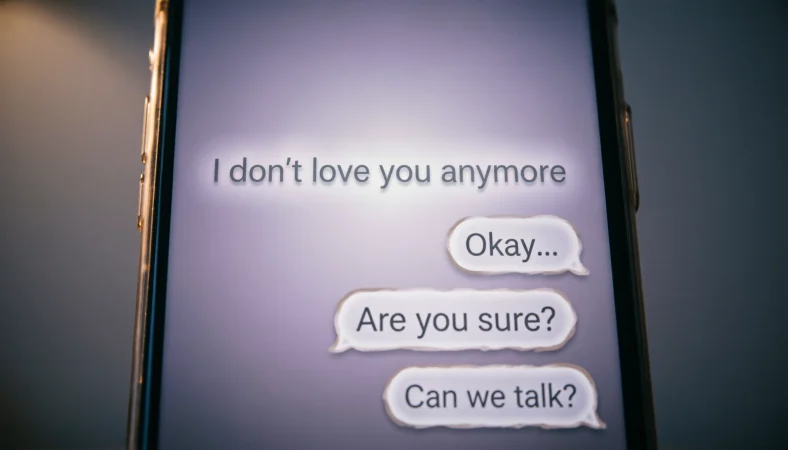
Few texts can make your stomach drop faster than “I don’t love you anymore.” Whether it arrives after months of distance, during a serious conversation, or completely out of nowhere, those words hit differently. Suddenly, you are staring at your phone wondering whether to type a heartfelt paragraph, leave them on read, or simply send “okay” and disappear into witness protection. In texting, DMs, relationships, friendships, and even complicated crush situations, the right response can protect your dignity while still expressing what you feel. These Replies to I don’t love you anymore give you options for different moods and situations, from calm and mature to emotional, confident, funny, and deeply heartfelt. You do not have to pretend you are fine. You just need words that say what your heart actually means.
Calm And Mature Replies
“I understand. Thank you for being honest with me.”
Use this when you want to acknowledge their feelings without turning the moment into an argument.
Meaning: You accept their honesty even though the truth hurts.
“I respect how you feel.”
Use this when you want to respond calmly instead of trying to change their mind.
Meaning: You recognize that their emotions belong to them.
“I appreciate you telling me the truth.”
Use this when honesty matters more to you than hearing something comforting.
Meaning: You would rather know the truth than live with uncertainty.
“That’s difficult to hear, but I understand.”
Use this when you want to admit the pain without becoming confrontational.
Meaning: You are hurt but still choosing maturity.
“I’m not going to argue with how you feel.”
Use this when the conversation starts feeling like a debate over emotions.
Meaning: You refuse to invalidate their feelings or your own dignity.
“I wish things were different, but I accept your decision.”
Use this when you hoped the relationship would continue.
Meaning: You accept reality even though it is not what you wanted.
“I hear you.”
Use this when you need a simple response because you are still processing everything.
Meaning: You acknowledge what they said without pretending you have all the words.
“Thank you for telling me instead of pretending.”
Use this when you value honesty after noticing emotional distance.
Meaning: You appreciate authenticity even when it is painful.
“I need some time to process this.”
Use this when you are too emotional to have a productive conversation immediately.
Meaning: You are setting a healthy boundary before responding further.
“I respect your choice, even if I don’t agree with it.”
Use this when you personally wanted a different outcome.
Meaning: You can disagree without disrespecting their decision.
“I’m sad to hear that, but I won’t pressure you.”
Use this when you still care but do not want to beg.
Meaning: Your feelings are real, but so is your self-respect.
“I guess sometimes feelings change. I wish you well.”
Use this when you want to end the exchange peacefully.
Meaning: You are accepting the ending and choosing grace.
Emotional And Heartfelt Replies
“I won’t lie, that hurts more than I can explain.”
Use this when you want to be emotionally honest without blaming them.
Meaning: Their words have deeply affected you.
“I still love you, so hearing that is incredibly painful.”
Use this when your feelings have not changed yet.
Meaning: You are honestly acknowledging the difference between your emotions.
“I wish I could make you feel differently.”
Use this when you desperately wish the relationship could be repaired.
Meaning: You care deeply but know feelings cannot simply be commanded.
“A part of me was hoping we could find our way back.”
Use this when the relationship had been struggling for a while.
Meaning: You still carried hope for reconciliation.
“I’m heartbroken, but I appreciate your honesty.”
Use this when you need to express pain while keeping the conversation respectful.
Meaning: You are grieving the relationship without attacking them.
“I never expected us to end up here.”
Use this when the breakup feels completely different from what you imagined.
Meaning: You are expressing shock and sadness about the situation.
“I cared about us more than you probably realized.”
Use this when you feel your effort or love was overlooked.
Meaning: You want them to understand the depth of your investment.
“I’ll need time to let this sink in.”
Use this when the words have caught you completely off guard.
Meaning: You need emotional space before deciding what comes next.
“I’m hurting, but I’m grateful for the good memories.”
Use this when you want to acknowledge both the pain and the beautiful parts of the relationship.
Meaning: The ending does not erase everything meaningful you shared.
“I loved you genuinely, and I don’t regret that.”
Use this when you want to leave the relationship without shame about caring.
Meaning: You stand by the sincerity of your feelings.
“This is not the ending I wanted for us.”
Use this when you still wish things could have worked.
Meaning: You are acknowledging disappointment without begging.
“I hope one day this hurts less than it does today.”
Use this when you are accepting that healing will take time.
Meaning: You are looking toward emotional recovery.
Short And Powerful Replies
“I understand.”
Use this when you do not have the energy for a long conversation.
Meaning: You acknowledge their statement without overexplaining yourself.
“Okay. I hear you.”
Use this when you want to stay composed after an emotional message.
Meaning: You are listening without escalating the situation.
“Thank you for being honest.”
Use this when you value clarity despite the painful news.
Meaning: You appreciate knowing where you stand.
“I respect your feelings.”
Use this when you want to respond with emotional maturity.
Meaning: You recognize their right to feel differently.
“That hurts, but I understand.”
Use this when you want to be honest about your reaction.
Meaning: You are hurt without becoming hostile.
“I needed to hear the truth.”
Use this when you suspected something had changed.
Meaning: Clarity is better than continuing with uncertainty.
“I won’t force something that isn’t there.”
Use this when you are ready to accept the relationship has changed.
Meaning: You refuse to chase unwilling affection.
“Then I know where we stand.”
Use this when you want closure.
Meaning: Their words have given you the clarity you needed.
“I wish you happiness.”
Use this when you want to close the conversation peacefully.
Meaning: You are letting go without bitterness.
“I’ll respect your decision.”
Use this when they have clearly decided to leave.
Meaning: You accept their choice.
“I need space now.”
Use this when continuing the conversation would make things harder.
Meaning: You are protecting your emotional wellbeing.
“Take care of yourself.”
Use this when you want a simple, graceful ending.
Meaning: You are closing the chapter without unnecessary drama.
Confident And Self-Respecting Replies
“I won’t beg someone to love me.”
Use this when you want to make your boundary clear.
Meaning: Your self-worth does not depend on someone choosing you.
“If your heart has changed, I won’t try to control it.”
Use this when you want to acknowledge that feelings are personal.
Meaning: You respect their emotional freedom.
“I deserve someone who is sure about me.”
Use this when you are ready to stop accepting uncertainty.
Meaning: You believe mutual love should feel secure.
“I’d rather lose a relationship than lose myself.”
Use this when staying would require abandoning your boundaries.
Meaning: Your identity and dignity come first.
“I’m disappointed, but I know I’ll be okay.”
Use this when you want to show emotional strength without pretending you feel nothing.
Meaning: You are hurting but confident you will recover.
“I don’t need to convince you of my worth.”
Use this when someone has stopped appreciating what you brought to the relationship.
Meaning: Your value is not something you need to prove.
“I accept the truth, and I’ll move forward.”
Use this when you are ready to focus on yourself.
Meaning: You are choosing progress over resistance.
“I wanted forever, but I won’t force it.”
Use this when your hopes for the relationship were much bigger.
Meaning: You can accept an ending without chasing someone.
“Love should be mutual, so I won’t settle for less.”
Use this when you want to establish a clear emotional standard.
Meaning: You believe both people should genuinely choose the relationship.
“I know what I bring to the table.”
Use this when you need a confidence boost during a breakup.
Meaning: Their decision does not erase your qualities.
“I’m not going to compete for a place in someone’s heart.”
Use this when you feel emotionally replaced or unwanted.
Meaning: You refuse to chase affection.
“You’re free to leave, and I’m free to heal.”
Use this when you want a powerful but composed closing statement.
Meaning: Both people can move forward independently.
Kind And Respectful Replies
“I’m sorry your feelings have changed, but I appreciate your honesty.”
Use this when you want to keep the conversation compassionate.
Meaning: You acknowledge their emotional change without resentment.
“I hope you find what makes you happy.”
Use this when you want to end things with genuine goodwill.
Meaning: You care enough to wish them well.
“I respect you for being honest with me.”
Use this when you want to recognize the courage it took to say something difficult.
Meaning: Honesty still matters even when it hurts.
“I’ll always appreciate the time we shared.”
Use this when you want to remember the relationship positively.
Meaning: You are not allowing the ending to erase the good.
“I hope we can both heal from this.”
Use this when the breakup affects both of you emotionally.
Meaning: You want peace rather than resentment.
“I don’t blame you for how you feel.”
Use this when you understand that emotions cannot always be controlled.
Meaning: You separate their feelings from personal blame.
“Thank you for the memories.”
Use this when you want a simple and warm farewell.
Meaning: You are grateful for the experiences you shared.
“I’m grateful our paths crossed.”
Use this when you want to focus on what the relationship meant to you.
Meaning: You see value in the connection despite its ending.
“I hope life treats you kindly.”
Use this when you are saying goodbye without bitterness.
Meaning: You are choosing kindness as your final message.
“I’ll respect the space you need.”
Use this when they want distance after ending the relationship.
Meaning: You are honoring their boundary.
“There’s no need for us to hurt each other more.”
Use this when the conversation is becoming emotionally heated.
Meaning: You want to end things peacefully.
“I wish we could have worked, but I respect reality.”
Use this when you are accepting that love alone was not enough.
Meaning: You are choosing acceptance over denial.
Hurt But Honest Replies
“I’m not okay with this, but I know I can’t change your feelings.”
Use this when you want to express pain without trying to manipulate them.
Meaning: You are hurting while accepting what you cannot control.
“That’s a hard thing to hear from someone I love.”
Use this when their words have deeply affected you.
Meaning: Their emotional distance feels especially painful because you still care.
“I wish you had told me sooner.”
Use this when you believe the relationship had been emotionally over for some time.
Meaning: You feel hurt by the delay in honesty.
“I thought we were still fighting for us.”
Use this when the breakup feels unexpected.
Meaning: You believed the relationship was still being worked on.
“I deserved honesty, even if it hurt.”
Use this when you feel they avoided telling you the truth.
Meaning: You value clarity over false reassurance.
“I’m hurt because I genuinely believed in us.”
Use this when the relationship meant a lot to you.
Meaning: Your pain comes from how much hope you invested.
“I wish I could say I’m fine, but I’m not.”
Use this when you are tired of pretending the breakup does not affect you.
Meaning: You are allowing yourself to be emotionally honest.
“I need to grieve this in my own way.”
Use this when you need time away from everyone.
Meaning: You are giving yourself permission to heal privately.
“I’m angry, sad, confused, and honestly exhausted.”
Use this when several emotions are hitting at once.
Meaning: You are acknowledging the messy reality of heartbreak.
“I don’t understand how we got here.”
Use this when the relationship seemed strong before things changed.
Meaning: You are struggling to make sense of the ending.
“I wish your heart still felt the way mine does.”
Use this when you still deeply love them.
Meaning: You are expressing the painful imbalance between your feelings.
“I know I’ll heal, but I’m not there yet.”
Use this when someone expects you to immediately move on.
Meaning: You believe healing is possible but need time.
Chill And Casual Replies
“Yeah, I get it.”
Use this when you want to keep your response simple and relaxed.
Meaning: You acknowledge the change without making the exchange heavier.
“I hear you. No hard feelings.”
Use this when you want to keep things peaceful.
Meaning: You accept the message without holding onto resentment.
“Fair enough. I appreciate the honesty.”
Use this when you want to respond casually but maturely.
Meaning: You would rather have clarity than mixed signals.
“Okay, thanks for being straight with me.”
Use this when you appreciate direct communication.
Meaning: You respect their willingness to say what they feel.
“I guess things change.”
Use this when you want a low-key response to an emotional statement.
Meaning: You accept that relationships and feelings evolve.
“Got it. I’ll respect that.”
Use this when you want to acknowledge their decision without debate.
Meaning: You are accepting the boundary.
“No worries. I’ll be alright.”
Use this when you want to reassure them that you can handle yourself.
Meaning: You are hurt but maintaining composure.
“I understand where you’re coming from.”
Use this when you can see their perspective even if you dislike it.
Meaning: Understanding does not necessarily mean agreement.
“Thanks for telling me instead of dragging it out.”
Use this when you prefer direct endings over prolonged uncertainty.
Meaning: You appreciate the clarity.
“Okay. I’ll take some time for myself.”
Use this when you need emotional distance.
Meaning: You are calmly choosing space.
“Well, that wasn’t the text I wanted today.”
Use this when you want a tiny touch of humor without mocking their feelings.
Meaning: You are acknowledging the awkwardness while keeping your composure.
“Noted. Wishing you the best.”
Use this when you want a clean, emotionally detached ending.
Meaning: You are closing the conversation respectfully.
Clever And Thoughtful Replies
“You can’t negotiate feelings, so I won’t try.”
Use this when you want to make a thoughtful point about love.
Meaning: Genuine emotion cannot be forced through arguments.
“I’d rather hear an uncomfortable truth than live inside a comfortable lie.”
Use this when honesty has become especially important.
Meaning: Truth is more valuable than false hope.
“Love changing doesn’t make what we had meaningless.”
Use this when you want to separate the ending from the past.
Meaning: A relationship can matter even after it ends.
“Sometimes the hardest answer is simply the honest one.”
Use this when you want to respond philosophically without sounding cold.
Meaning: Difficult truths can still be necessary.
“I can accept your feelings without abandoning my own.”
Use this when you still love them but respect their choice.
Meaning: Their emotions do not require you to deny yours.
“Maybe we were meant to be a chapter, not the whole story.”
Use this when you are trying to find perspective after heartbreak.
Meaning: The relationship can have meaning without lasting forever.
“I wanted a future with you, but I can’t build one alone.”
Use this when the relationship has become one-sided.
Meaning: A lasting relationship requires mutual commitment.
“Sometimes closure is accepting that there is no perfect explanation.”
Use this when you keep searching for a reason.
Meaning: Not every ending comes with satisfying answers.
“I’ll remember what was real without pretending it still is.”
Use this when you want an honest farewell.
Meaning: You can honor the past while accepting the present.
“Your feelings changed, and now I have to change how I hold them.”
Use this when you are beginning the process of letting go.
Meaning: Your emotional role in their life has changed.
“I cannot make you love me, but I can choose how I leave.”
Use this when you want to leave with dignity.
Meaning: You still control your response even when you cannot control the outcome.
“Maybe the lesson is that love needs two people choosing it.”
Use this when reflecting on why the relationship ended.
Meaning: Mutual effort and choice are essential to lasting love.
Gentle Replies When You Still Love Them
“I still love you, but I respect what you’re telling me.”
Use this when you want to be honest without pressuring them.
Meaning: Your love remains, but you respect their feelings.
“My feelings haven’t changed, but I know yours have.”
Use this when the emotional difference between you is clear.
Meaning: You acknowledge that you are no longer in the same place emotionally.
“I wish I could change your mind, but I won’t try to force you.”
Use this when part of you still wants another chance.
Meaning: You want reconciliation but understand consent matters in love.
“I’ll always care about you, even if we’re no longer together.”
Use this when you want a compassionate goodbye.
Meaning: Separation does not automatically erase care.
“You still mean a lot to me.”
Use this when you are not ready to say goodbye emotionally.
Meaning: Their importance in your life remains.
“I wish love had been enough for us.”
Use this when the relationship ended despite genuine feelings.
Meaning: Sometimes love cannot solve every incompatibility.
“I don’t want to hate you just because this hurts.”
Use this when you want to avoid turning heartbreak into resentment.
Meaning: You want to preserve kindness despite disappointment.
“I’ll respect your choice even while my heart catches up.”
Use this when you understand the breakup intellectually but not emotionally.
Meaning: Acceptance can happen before your feelings catch up.
“I hope someday remembering us feels warm instead of painful.”
Use this when you want to part with tenderness.
Meaning: You hope the relationship eventually becomes a positive memory.
“I wish you had chosen us, but I won’t punish you for not doing so.”
Use this when you feel deeply disappointed.
Meaning: You acknowledge your hurt without seeking revenge.
“I loved you sincerely, and I always will value that.”
Use this when you want to honor your own emotional honesty.
Meaning: You do not regret genuinely loving them.
“Goodbye is hard when part of me still says stay.”
Use this when you need a deeply emotional farewell.
Meaning: You are acknowledging the conflict between acceptance and lingering love.
Replies That Set Strong Boundaries
“I need distance, so please give me some space.”
Use this when staying in contact immediately after the breakup feels painful.
Meaning: You are creating room to heal.
“I’m not ready to be friends right now.”
Use this when they suggest staying friends immediately.
Meaning: You need emotional separation before considering friendship.
“Please don’t send mixed signals after this.”
Use this when they want to leave but continue acting romantic.
Meaning: You need their actions to match their decision.
“If this is your decision, I need you to respect mine too.”
Use this when you need to establish your own boundaries.
Meaning: Their choice does not erase your right to protect yourself.
“I don’t want to keep discussing whether my feelings are valid.”
Use this when the conversation becomes dismissive.
Meaning: Your emotional response deserves respect.
“I’m choosing not to stay in a relationship where I’m unwanted.”
Use this when you need to make your position clear.
Meaning: You will not remain where love is no longer mutual.
“I need time without contact.”
Use this when even friendly messages feel emotionally difficult.
Meaning: Temporary distance is necessary for healing.
“Please don’t ask me to act like nothing changed.”
Use this when they expect everything to remain normal.
Meaning: The breakup has changed the relationship permanently.
“I won’t be your emotional backup plan.”
Use this when they want closeness without commitment.
Meaning: You refuse to accept an unclear or one-sided role.
“I need consistency, not occasional affection.”
Use this when they keep returning with emotional messages.
Meaning: You want clear intentions instead of confusing attention.
“I’m stepping back because I need to protect my peace.”
Use this when continued contact keeps reopening the wound.
Meaning: Your emotional wellbeing comes first.
“I respect your decision, and I expect you to respect my boundaries.”
Use this when ending the relationship requires clear limits.
Meaning: Healthy separation requires respect from both sides.
Funny Replies For When Humor Fits
“Well, there goes my five-year plan.”
Use this only when both of you normally use humor during difficult moments.
Meaning: You are using gentle humor to acknowledge an unexpected ending.
“My heart would like to file a formal complaint.”
Use this when you want a playful response without being cruel.
Meaning: You are joking about how emotionally painful the news feels.
“Cool cool cool, absolutely not processing this right now.”
Use this when you are stunned and humor helps you cope.
Meaning: You are overwhelmed but trying to keep the moment light.
“My emotional support playlist just got promoted.”
Use this when music is your usual heartbreak therapy.
Meaning: You know you are about to spend quality time with sad songs.
“Well, that escalated emotionally.”
Use this when the conversation suddenly becomes much more serious.
Meaning: You are lightly acknowledging the unexpected shift.
“Brb, consulting my dramatic heartbreak department.”
Use this when your personality naturally leans playful.
Meaning: You are jokingly admitting that the breakup needs processing.
“That was definitely not on today’s bingo card.”
Use this when the statement arrives completely unexpectedly.
Meaning: You did not see the breakup coming.
“I’ll add this to the list of plot twists I did not request.”
Use this when you want humor without insulting them.
Meaning: You are treating the unexpected ending like an unwanted twist.
“Okay, my playlist already knows what happens next.”
Use this when you want to reference your inevitable sad-song phase.
Meaning: You are humorously acknowledging the heartbreak ahead.
“My heart has left the chat.”
Use this when you prefer short internet-style humor.
Meaning: You are joking that the news emotionally knocked you out.
“Well, that text had terrible customer service.”
Use this when your relationship had a playful communication style.
Meaning: You are using absurd humor to soften an uncomfortable moment.
“I would like to unsubscribe from this emotional update.”
Use this when humor genuinely helps you handle awkward situations.
Meaning: You are joking about receiving painful news you did not want.
Sarcastic But Controlled Replies
“Thanks for the plot twist.”
Use this when you are surprised but do not want to start an argument.
Meaning: You are sarcastically acknowledging the unexpected ending.
“Good to know my heart got the memo last.”
Use this when you are still emotionally attached.
Meaning: Your feelings have not caught up with reality.
“Well, that explains the vibes lately.”
Use this when their behavior has recently felt distant.
Meaning: Their confession explains changes you noticed.
“Ah, so that’s what we’re calling it now.”
Use this when you feel the explanation is incomplete.
Meaning: You are skeptical about how they are framing the situation.
“Not exactly the update I was hoping for.”
Use this when you want mild sarcasm instead of confrontation.
Meaning: You are disappointed by their decision.
“Well, congratulations to honesty for finally showing up.”
Use this when you suspected they had been hiding their feelings.
Meaning: You are relieved to finally have clarity.
“Guess I missed the meeting where my heart was informed.”
Use this when your emotions are still attached.
Meaning: Your heart has not caught up with the breakup.
“That certainly makes things awkward.”
Use this when you still have mutual friends or shared spaces.
Meaning: You recognize that the emotional situation has become uncomfortable.
“And here I thought we were doing pretty well.”
Use this when the breakup comes as a surprise.
Meaning: You genuinely believed the relationship was going better.
“Well, that’s one way to end a conversation.”
Use this when the message arrives abruptly.
Meaning: You are pointing out how blunt the statement was.
“I suppose subtlety called in sick today.”
Use this when their delivery was extremely direct.
Meaning: You are lightly teasing how blunt they were.
“Noted. My emotional calendar is officially ruined.”
Use this when you want playful sarcasm rather than anger.
Meaning: You are joking about the emotional disruption.
Sweet And Compassionate Replies
“I’m sad, but I still hope you find happiness.”
Use this when you genuinely want the best for them.
Meaning: Your heartbreak has not erased your kindness.
“Thank you for the beautiful moments we shared.”
Use this when you want to remember the relationship warmly.
Meaning: You value the good memories.
“I hope you know I always cared deeply about you.”
Use this when you feel your love was sincere.
Meaning: You want them to understand that your feelings were genuine.
“I’ll carry the good memories with me.”
Use this when you are ready to move toward closure.
Meaning: You choose to remember the relationship positively.
“I hope life brings you everything you’re looking for.”
Use this when you want to say goodbye without resentment.
Meaning: You are wishing them a fulfilling future.
“You’ll always have a special place in my memories.”
Use this when the relationship was meaningful.
Meaning: The connection mattered even though it ended.
“I’m grateful for the love we did share.”
Use this when you want to focus on the relationship rather than its ending.
Meaning: You appreciate what existed instead of only mourning what disappeared.
“I hope someday we can remember this without pain.”
Use this when you want emotional peace for both of you.
Meaning: You hope time will soften the difficult memories.
“I forgive you for changing, and I hope you forgive me for hurting.”
Use this when both people made mistakes during the relationship.
Meaning: You want to leave without carrying unnecessary resentment.
“I wish our story had another chapter.”
Use this when you are still emotionally attached to the relationship.
Meaning: You wish the ending were different.
“Thank you for being part of my life.”
Use this when you want a sincere farewell.
Meaning: You recognize the impact they had on you.
“I’ll always be thankful for what we taught each other.”
Use this when the relationship helped you grow.
Meaning: You see lessons and growth within the ending.
Direct Replies When You Want The Truth
“When did you realize you felt this way?”
Use this when you need clarity about when their feelings changed.
Meaning: You want to understand the timeline.
“Is this something you’ve been feeling for a while?”
Use this when the breakup feels sudden.
Meaning: You want to know whether there were earlier signs.
“Are you sure this is what you want?”
Use this when you need to know whether their decision is final.
Meaning: You are seeking clarity before accepting the ending.
“Do you want to end the relationship completely?”
Use this when their message is vague.
Meaning: You need a clear understanding of what happens next.
“Is there someone else?”
Use this when circumstances make you genuinely concerned about another person.
Meaning: You are asking for direct information rather than making assumptions.
“Was there something I did that changed things for you?”
Use this when you want constructive clarity.
Meaning: You are trying to understand whether specific issues contributed.
“Did you stop loving me, or did you stop wanting the relationship?”
Use this when you need to understand the difference between emotion and commitment.
Meaning: You want deeper clarity about what actually changed.
“I need you to be completely honest with me.”
Use this when you suspect there is more behind the statement.
Meaning: You want the full truth rather than a softened version.
“Is there anything left to work on?”
Use this when you genuinely want to know whether reconciliation is possible.
Meaning: You are checking whether the relationship has any realistic path forward.
“Do you want space, or do you want this to be over?”
Use this when their intentions are unclear.
Meaning: You need to distinguish temporary distance from a final breakup.
“I can handle the truth. Just don’t give me half of it.”
Use this when you feel they are avoiding details.
Meaning: You would rather hear something painful than remain confused.
“What made you decide to tell me now?”
Use this when the timing feels significant.
Meaning: You want to understand why the conversation happened at this moment.
Replies When You Want Another Chance
“I still believe there’s something worth fighting for.”
Use this when you genuinely believe the relationship can be repaired.
Meaning: You are expressing hope without demanding another chance.
“If you’re willing, I’d like one honest conversation before we end this.”
Use this when you want closure or a final attempt at understanding.
Meaning: You want to communicate openly before saying goodbye.
“I don’t want to pressure you, but I would be willing to work on us.”
Use this when you still want reconciliation.
Meaning: You are offering effort without forcing a decision.
“If there’s a part of you that still wants this, I’m willing to listen.”
Use this when you sense uncertainty.
Meaning: You are leaving space for honest discussion.
“I would rather repair what broke than pretend it never mattered.”
Use this when the relationship has experienced serious problems.
Meaning: You still value the connection enough to consider rebuilding.
“I know things changed, but I’m not ready to give up without understanding why.”
Use this when the breakup feels unresolved.
Meaning: You want clarity before accepting finality.
“If we both want it, I believe we can have a real conversation about fixing things.”
Use this when both people might be open to reconciliation.
Meaning: Repair requires mutual willingness.
“I still choose you, but I need to know whether you choose me.”
Use this when you want a direct answer about commitment.
Meaning: You are asking for mutual effort.
“I’m willing to hear what went wrong.”
Use this when you want to understand their perspective.
Meaning: You are open to difficult feedback.
“I don’t need promises, just honesty about whether there’s a chance.”
Use this when you want clarity instead of empty reassurance.
Meaning: You want realistic expectations.
“I would try again if we both genuinely wanted to.”
Use this when you are open to reconciliation but not desperation.
Meaning: You are offering another chance only if it is mutual.
“I love you, but I won’t chase someone who has already decided.”
Use this when you want to leave the door open without abandoning your dignity.
Meaning: You can hope for another chance while respecting their choice.
Replies When You Are Ready To Move On
“Then I’m going to start choosing myself.”
Use this when you are ready to put your healing first.
Meaning: You are redirecting your energy toward yourself.
“I’ll be okay without you.”
Use this when you need to remind yourself that the relationship is not your entire identity.
Meaning: You believe you can rebuild your life independently.
“I’m letting go, even though it hurts.”
Use this when you have accepted the relationship is ending.
Meaning: You are choosing healing over holding on.
“I won’t chase what no longer wants me.”
Use this when you want a strong personal boundary.
Meaning: You refuse to pursue unwanted affection.
“I’m taking the memories and leaving the pain behind.”
Use this when you want a positive mindset after heartbreak.
Meaning: You are focusing on growth rather than resentment.
“This hurts, but it’s not the end of my story.”
Use this when you need hope after a breakup.
Meaning: You believe your future extends beyond this relationship.
“I’ll miss you, but I won’t lose myself trying to keep you.”
Use this when you still care but are ready to walk away.
Meaning: Love does not require self-abandonment.
“I’m closing this chapter with gratitude.”
Use this when you want a peaceful ending.
Meaning: You are choosing appreciation instead of bitterness.
“I hope my next chapter feels lighter.”
Use this when you are ready to start rebuilding your life.
Meaning: You are looking forward instead of backward.
“I’m going to give myself the closure I was waiting for.”
Use this when you realize you may never get every answer.
Meaning: Healing does not have to depend on their explanation.
“I’ll always remember you, but I won’t keep waiting for you.”
Use this when you are finally ready to stop hoping.
Meaning: You can remember someone without remaining emotionally stuck.
“Goodbye. I genuinely hope life is kind to you.”
Use this when you want your final message to be gracious.
Meaning: You are leaving with peace instead of bitterness.
Deep And Meaningful Replies
“Maybe love didn’t disappear overnight. Maybe we slowly became different people.”
Use this when the breakup followed a long period of emotional distance.
Meaning: You are reflecting on how relationships can gradually change.
“I would have preferred growing together instead of growing apart.”
Use this when you still wish the relationship had survived its challenges.
Meaning: You regret that your paths stopped aligning.
“The hardest part is knowing I cannot love you back into loving me.”
Use this when you finally understand that affection cannot be forced.
Meaning: You recognize the limits of your own influence.
“I wanted our future more than I feared our problems.”
Use this when you were committed to making things work.
Meaning: You were willing to face difficulties because you valued the relationship.
“Sometimes two people can care deeply and still not be right for each other.”
Use this when the relationship ended without one person being completely at fault.
Meaning: Love and compatibility are not always the same thing.
“I’m learning that losing someone does not mean losing my worth.”
Use this when heartbreak has affected your confidence.
Meaning: Their decision does not determine your value.
“I hope we both become better people because of what we shared.”
Use this when you want to find meaning in the experience.
Meaning: You want the relationship to leave behind growth.
“What we had was real, even if it was not forever.”
Use this when you struggle with the idea that the relationship has ended.
Meaning: Temporary love can still be genuine and meaningful.
“I wanted permanence, but life sometimes gives us lessons instead.”
Use this when reflecting on an unexpected ending.
Meaning: The relationship may have taught you more than you expected.
“I can mourn the ending without regretting the love.”
Use this when you want to honor your emotional experience.
Meaning: Heartbreak does not make loving someone a mistake.
“Your heart changed, and now mine has to learn how to let go.”
Use this when you are beginning to accept the emotional separation.
Meaning: Healing requires adjusting to a new reality.
“Maybe goodbye is not proof that we failed. Maybe it is proof that we finally told the truth.”
Use this when honesty brought the relationship to an end.
Meaning: Ending an unhappy relationship can be healthier than pretending.
Polite Replies For Texts And DMs
“Thank you for letting me know.”
Use this when you want a neutral response to a difficult message.
Meaning: You acknowledge their statement without escalating anything.
“I appreciate your honesty.”
Use this when you want to keep your response courteous.
Meaning: You value direct communication.
“I understand your position.”
Use this when you want to sound calm and composed.
Meaning: You recognize their perspective.
“I’m sorry things have changed between us.”
Use this when you want to acknowledge the emotional shift politely.
Meaning: You regret the change without assigning blame.
“I wish you all the best moving forward.”
Use this when you want to close the conversation respectfully.
Meaning: You are offering a peaceful goodbye.
“I respect your decision.”
Use this when they have clearly ended the relationship.
Meaning: You accept their choice.
“I think we both deserve honesty.”
Use this when you want to emphasize clear communication.
Meaning: Neither person benefits from pretending.
“I’ll take some time to process everything.”
Use this when you are not ready to continue talking.
Meaning: You are asking for emotional breathing room.
“I hope we can handle this with kindness.”
Use this when you want to avoid hostility.
Meaning: You want the ending to remain respectful.
“Thank you for the time we shared.”
Use this when you want to recognize the history between you.
Meaning: You appreciate the relationship despite its ending.
“I wish the circumstances were different.”
Use this when you are disappointed but composed.
Meaning: You accept reality while admitting you wanted another outcome.
“I’ll respect your space from here.”
Use this when you want to make the next step clear.
Meaning: You are stepping back respectfully.
Closure And Goodbye Replies
“I loved you, and now I’m learning how to let you go.”
Use this when you want an honest final message.
Meaning: You are accepting the end while acknowledging your love.
“Goodbye, and thank you for everything.”
Use this when you want a simple, sincere farewell.
Meaning: You are closing the relationship with gratitude.
“I hope someday we both look back without regret.”
Use this when you want peace after the breakup.
Meaning: You hope the ending eventually feels less painful.
“I’m choosing peace over trying to change your mind.”
Use this when you have stopped hoping to reverse their decision.
Meaning: You are prioritizing emotional stability.
“I’ll miss what we were.”
Use this when you want to acknowledge the past without holding onto it.
Meaning: You are grieving the relationship that existed.
“This is goodbye, even though part of me wishes it wasn’t.”
Use this when saying goodbye feels incredibly difficult.
Meaning: You are accepting reality despite lingering feelings.
“I hope your next chapter is beautiful.”
Use this when you want a genuinely kind farewell.
Meaning: You are wishing them happiness after the relationship.
“I’m grateful for our story, even if it ended sooner than I wanted.”
Use this when you want to focus on gratitude.
Meaning: You appreciate the relationship without denying the disappointment.
“I’m leaving with love, not anger.”
Use this when you want to make your emotional position clear.
Meaning: You refuse to let heartbreak turn into hatred.
“Take care. I genuinely mean that.”
Use this when you want a short but sincere goodbye.
Meaning: You are ending contact with genuine goodwill.
“I hope time gives us both the peace we need.”
Use this when the breakup has been emotionally intense.
Meaning: You believe distance and time can help both people heal.
“Goodbye. I’ll be okay eventually.”
Use this when you are hurting but ready to move forward.
Meaning: You acknowledge the pain while holding onto hope.
FAQs
What does “I don’t love you anymore” mean?
It usually means the person no longer feels the same romantic love or emotional attachment they once had. The exact reason can vary, so asking for clarity may help if the situation is unclear.
Is “I don’t love you anymore” always a breakup?
Not necessarily, but it is usually a serious sign that the relationship has changed. If they say it during a relationship conversation, it is important to ask what they want moving forward.
What is the best reply to “I don’t love you anymore”?
A calm response such as “I’m hurt, but I appreciate your honesty” is a strong starting point. It acknowledges your feelings while protecting your dignity.
What if I still love them?
You can say, “I still love you, but I respect how you feel.” Being honest about your emotions does not mean you have to pressure them to change theirs.
Can “I don’t love you anymore” be flirty?
Usually not. In a romantic relationship, the phrase generally signals emotional withdrawal rather than flirting. Context matters, especially if it is being used jokingly.
What if they say it as a joke?
If you are unsure, ask what they mean instead of immediately reacting. Humor can be harmless, but jokes about love and breakups can still hurt.
What should I say if I don’t actually mean it?
If you said it impulsively, own it quickly. A simple apology and honest explanation are much better than pretending you meant something you did not.
Can I use humor in my response?
Yes, but only if the relationship normally handles serious moments with humor and both people are comfortable with it. Avoid jokes that mock their feelings or make the situation more painful.
Is there a professional way to respond?
If the relationship is also connected to work, keep communication respectful and focused on boundaries. You can say, “I understand. I appreciate your honesty, and I’ll respect the space we need.”
Should I ask why they stopped loving me?
You can ask if knowing the reason would genuinely help you understand or find closure. Just remember that you may not receive an explanation that makes the pain disappear.
Should I beg them to stay?
Usually, no. You can express that you want to work things out, but begging someone to love you rarely creates the healthy relationship you actually want.
Is it okay to leave them on read?
Yes. If you are overwhelmed and need time to process, you do not owe an immediate emotional response. Taking space can be healthier than replying while angry or devastated.
Conclusion
Hearing “I don’t love you anymore” can make even the most confident person forget every word they have ever learned. But your response does not have to be perfect. It simply needs to be honest, respectful, and aligned with what you genuinely feel. Whether you choose a heartfelt goodbye, a calm boundary, a confident response, or a little humor, your words can shape how the conversation ends and how you remember yourself afterward. Do not feel pressured to respond instantly. Take a breath, choose the message that fits your situation, and protect your peace. Save this list for the moment you need it, share it with someone going through heartbreak, and remember: you deserve clarity, respect, and real love.