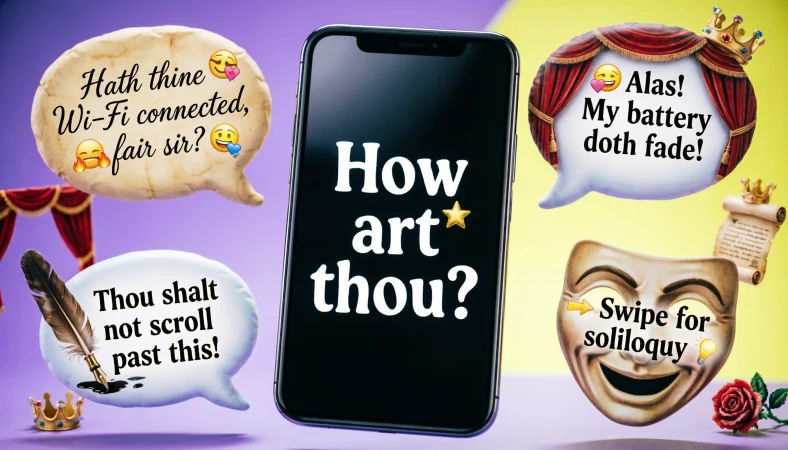
Quick Answer: “How art thou?” is an old-fashioned, playful way of asking “How are you?” The best reply can match the same dramatic, funny, flirty, or casual energy without making the exchange feel forced.
Top alternatives: “I art doing splendidly”, “Alive and thriving”, “Better now that you asked”, “Verily, I am fine”, “Surviving like a Shakespeare character”.
Ever received a “How art thou?” and suddenly felt like you were auditioning for a Shakespeare play? This wonderfully old-school phrase is basically a fancy way of asking how you are, but its dramatic wording makes it perfect for playful texts, DMs, group chats, friends, coworkers, and even a crush trying to be charming. Knowing a few fun and easy replies to how art thou can turn an ordinary check-in into a genuinely funny exchange. You can answer sincerely, match the medieval energy, flirt a little, or completely embrace the theatrical chaos. The trick is choosing a response that sounds like you. Whether you are feeling fabulous, exhausted, mildly confused, or simply existing on snacks and Wi-Fi, there is a reply for the occasion. Consider this your personal phrasebook for surviving unexpectedly Shakespearean conversations.
Funny Responses
- “I art surviving.”
Use this when your day has been a complete mess.
Meaning: You are jokingly saying you are getting through it. - “I art hungry, mostly.”
Use this when food is your current priority.
Meaning: You are giving a playful answer instead of a serious status update. - “I art running on caffeine and questionable decisions.”
Use this after a chaotic day.
Meaning: You are humorously admitting you are barely functioning. - “I art fine, which is suspicious.”
Use this when everything unexpectedly feels good.
Meaning: You are joking that feeling fine seems unusual. - “I art existing, and frankly, that is enough.”
Use this when you are having a low-energy day.
Meaning: You are playfully celebrating basic survival. - “I art fabulous, obviously.”
Use this when you want a confident joke.
Meaning: You are answering with exaggerated self-confidence. - “I art one inconvenience away from becoming a hermit.”
Use this when you are mildly overwhelmed.
Meaning: You are exaggerating your frustration for humor. - “I art powered entirely by vibes.”
Use this when you have no real explanation for your mood.
Meaning: You are saying you are functioning on pure energy and optimism. - “I art awaiting snacks.”
Use this when you are hungry and playful.
Meaning: You are making food the dramatic solution to everything. - “I art thriving in lowercase.”
Use this when life is going okay but not spectacularly.
Meaning: You are humorously describing low-key success. - “I art emotionally buffering.”
Use this when your brain needs a minute.
Meaning: You are comparing mental exhaustion to slow internet. - “I art doing my best Shakespeare impression.”
Use this when you want to match their wording.
Meaning: You are playfully embracing the old-fashioned tone.
Sarcastic Responses
- “Verily, I have survived another Tuesday.”
Use this after a particularly long workday.
Meaning: You are using dramatic language to mock ordinary stress. - “I art absolutely delighted by modern life.”
Use this when things are clearly annoying you.
Meaning: You are expressing frustration through obvious sarcasm. - “I art flourishing, if we redefine flourishing.”
Use this when you are barely keeping up.
Meaning: You are joking that your situation does not exactly qualify as thriving. - “I art blessed with yet another email.”
Use this during a busy workday.
Meaning: You are sarcastically complaining about your inbox. - “I art living the dream, unfortunately.”
Use this when your day is going badly.
Meaning: You are using irony to describe an unpleasant situation. - “I art pleased to report that chaos remains undefeated.”
Use this when everything feels disorganized.
Meaning: You are joking about losing control of the day. - “I art wonderfully underwhelmed.”
Use this when nothing exciting is happening.
Meaning: You are playfully describing boredom. - “I art thriving according to absolutely nobody.”
Use this when you are struggling but laughing about it.
Meaning: You are poking fun at your own situation. - “I art one minor inconvenience from writing a memoir.”
Use this when small problems keep piling up.
Meaning: You are exaggerating everyday frustration. - “I art magnificent, except for the obvious evidence.”
Use this when you want dry humor.
Meaning: You are jokingly contradicting reality. - “I art fine in the most questionable sense.”
Use this when you are not actually feeling great.
Meaning: You are giving a humorous version of “not terrible.” - “I art pleased that you have summoned me.”
Use this when a friend sends a dramatic greeting.
Meaning: You are pretending their message was an official royal summons.
Flirty Responses
- “Better now that thou hast asked.”
Use this when you want a sweet flirt.
Meaning: You are hinting that their attention improved your mood. - “I art quite pleased to hear from thee.”
Use this when you want charming old-school flirting.
Meaning: You are showing that you enjoy their attention. - “I art waiting for thee to make my day better.”
Use this when the conversation already feels playful.
Meaning: You are inviting them to flirt back. - “I art feeling rather charming today.”
Use this when you want confident flirtation.
Meaning: You are playfully drawing attention to your mood. - “I art well, but thy message improved matters.”
Use this when you want subtle romantic energy.
Meaning: You are saying their message made you happier. - “I art fine, but I could be finer with thee.”
Use this when the flirting is obvious.
Meaning: You are turning the phrase into a playful romantic invitation. - “Verily, thou hast caught my attention.”
Use this when someone sends an unexpected flirty message.
Meaning: You are admitting they have successfully intrigued you. - “I art smiling at my screen, thanks to thee.”
Use this when you want something cute and flirty.
Meaning: You are telling them their message made you smile. - “I art awaiting thy next message.”
Use this when you want to encourage more conversation.
Meaning: You are showing that you want them to keep texting. - “I art doing splendidly, dear troublemaker.”
Use this when you already have playful chemistry.
Meaning: You are mixing affection with teasing. - “I art well enough to flirt, at least.”
Use this when you want a cheeky response.
Meaning: You are openly signaling romantic interest. - “I art curious how thou art looking today.”
Use this when you want to make the exchange more personal.
Meaning: You are smoothly turning the question into a compliment opportunity.
Cute Responses
- “I art doing quite well, thank thee.”
Use this when you want a simple sweet response.
Meaning: You are matching the old-fashioned style warmly. - “I art happy to hear from thee.”
Use this when someone you like checks in.
Meaning: You are showing genuine affection. - “I art smiling now.”
Use this when their message brightened your mood.
Meaning: You are giving them a tiny compliment. - “I art cozy and content.”
Use this during a relaxed evening.
Meaning: You are describing a peaceful mood. - “I art surviving with excellent snacks.”
Use this when you want a cute funny answer.
Meaning: You are keeping the conversation light. - “I art having a lovely little day.”
Use this when things are going well.
Meaning: You are sharing positive energy. - “I art sending good vibes thy way.”
Use this when you want to return their playful energy.
Meaning: You are wishing them well. - “I art feeling cheerful today.”
Use this when you genuinely feel happy.
Meaning: You are giving a straightforward positive update. - “I art pleased by this delightful greeting.”
Use this when someone makes you laugh.
Meaning: You are responding warmly while staying playful. - “I art okay, tiny bit sleepy though.”
Use this when you are tired but cheerful.
Meaning: You are giving an honest but cute update. - “I art well, little friend.”
Use this with someone you have a playful friendship.
Meaning: You are adding affectionate humor. - “I art grateful for the check-in.”
Use this when someone genuinely made your day better.
Meaning: You are expressing appreciation.
Chill And Casual Responses
- “I art good, how art thou?”
Use this when you want to keep things simple.
Meaning: You are returning the same playful question. - “Doing pretty well, honestly.”
Use this when you want a natural modern answer.
Meaning: You are giving a relaxed status update. - “I art chillin’.”
Use this when you want maximum casual energy.
Meaning: You are saying you are relaxed. - “Alive and kicking.”
Use this when someone asks casually how you are.
Meaning: You are saying you are doing okay. - “Can’t complain too loudly.”
Use this when things are decent.
Meaning: You are saying life is generally fine. - “Just vibing, my liege.”
Use this when you want playful internet humor.
Meaning: You are combining casual slang with medieval language. - “I art doing alright.”
Use this when you want an easy response.
Meaning: You are saying things are generally okay. - “Pretty decent, not gonna lie.”
Use this when you are in an average mood.
Meaning: You are giving a relaxed and honest answer. - “Just taking it easy.”
Use this when you are having a quiet day.
Meaning: You are saying you are relaxed. - “I art vibing peacefully.”
Use this when you want a lighthearted response.
Meaning: You are saying you are enjoying a calm moment. - “All good on my side.”
Use this when you want a quick reply.
Meaning: You are letting them know there are no major problems. - “Doing my thing and surviving.”
Use this when life is busy.
Meaning: You are casually describing your current routine.
Dramatic Responses
- “I art merely surviving this cruel world.”
Use this after an exhausting day.
Meaning: You are exaggerating your struggles for comedy. - “My spirit remains, somehow.”
Use this when you are dramatically tired.
Meaning: You are joking that your energy is nearly gone. - “I art wandering through the wilderness of adulthood.”
Use this when life feels confusing.
Meaning: You are turning everyday struggles into a grand adventure. - “The kingdom remains unstable.”
Use this when everything feels chaotic.
Meaning: You are jokingly describing your life as a royal crisis. - “I art battling forces beyond my understanding.”
Use this when you have too much work.
Meaning: You are humorously exaggerating ordinary stress. - “My tale is long and filled with inconvenience.”
Use this when someone asks about your day.
Meaning: You are hinting that you have plenty of stories to tell. - “I art weary from the burdens of existence.”
Use this when you are extremely tired.
Meaning: You are giving an intentionally theatrical answer. - “The stars have not favored me today.”
Use this when things keep going wrong.
Meaning: You are blaming the universe in a playful way. - “I art holding the realm together by sheer will.”
Use this when you are managing too many responsibilities.
Meaning: You are joking that everything depends on you. - “My journey continues against all odds.”
Use this when you have had a rough day.
Meaning: You are making your routine sound epic. - “I art awaiting a miraculous plot twist.”
Use this when life feels repetitive.
Meaning: You are hoping something exciting changes. - “Tell the kingdom I shall survive.”
Use this when you want maximum theatrical energy.
Meaning: You are turning your mood into a mock royal announcement.
Confident Responses
- “I art absolutely thriving.”
Use this when you are feeling great.
Meaning: You are confidently saying life is going well. - “Better than ever, thank thee.”
Use this when you are in a strong mood.
Meaning: You are expressing confidence and positivity. - “I art doing rather wonderfully.”
Use this when you want elegant confidence.
Meaning: You are proudly saying you are doing well. - “I art winning today.”
Use this when something has gone your way.
Meaning: You are celebrating a personal victory. - “I art unbothered and well.”
Use this when you want calm confidence.
Meaning: You are saying nothing is getting under your skin. - “I art flourishing, naturally.”
Use this when you want playful self-assurance.
Meaning: You are confidently embracing your good mood. - “I art doing exactly as I please.”
Use this when you feel independent.
Meaning: You are emphasizing freedom and confidence. - “I art feeling unstoppable.”
Use this after accomplishing something.
Meaning: You are celebrating momentum. - “I art excellent, thank you kindly.”
Use this when you want a polished playful answer.
Meaning: You are confidently saying you feel great. - “I art in my winning era.”
Use this when life is finally going your way.
Meaning: You are framing your current success as a fun personal era. - “I art doing quite fabulously.”
Use this when you want cheerful confidence.
Meaning: You are giving an upbeat answer with personality. - “I art perfectly capable of conquering today.”
Use this before a busy day.
Meaning: You are expressing determination.
Polite Responses
- “I art doing well, thank thee for asking.”
Use this with someone you want to answer respectfully.
Meaning: You are politely returning their kindness. - “I art quite well, and I hope thou art too.”
Use this when you want to match their formal tone.
Meaning: You are politely wishing them well. - “I art doing splendidly, thank you.”
Use this when you want a cheerful response.
Meaning: You are giving a positive and courteous answer. - “I art well and grateful for thy kindness.”
Use this when someone has been thoughtful.
Meaning: You are expressing appreciation. - “I art doing alright, thank thee kindly.”
Use this when you want something simple.
Meaning: You are answering warmly and respectfully. - “I art pleased to say that I am well.”
Use this when you want a slightly formal joke.
Meaning: You are politely confirming that you are okay. - “I art doing well on this fine day.”
Use this when the weather or mood is pleasant.
Meaning: You are adding a cheerful old-fashioned touch. - “I art quite content, thank thee.”
Use this when you feel peaceful.
Meaning: You are expressing calm satisfaction. - “I art well enough, and I appreciate thy inquiry.”
Use this when you want extra politeness.
Meaning: You are acknowledging their concern respectfully. - “I art doing nicely, thank you kindly.”
Use this when you want a warm but simple answer.
Meaning: You are politely saying things are good. - “I art well, and I wish thee a lovely day.”
Use this when ending the exchange politely.
Meaning: You are returning their kindness. - “I art doing quite fine, thank thee for checking in.”
Use this when someone genuinely cares about you.
Meaning: You are expressing appreciation for their attention.
Clever Responses
- “I art well, grammatically questionable but emotionally stable.”
Use this when you want wordplay.
Meaning: You are joking about the unusual wording. - “I art doing well, Shakespeare would approve.”
Use this when someone is being theatrical.
Meaning: You are playfully referencing classic English. - “I art fine, but my vocabulary hath expanded.”
Use this when the phrase makes you laugh.
Meaning: You are joking about suddenly sounding sophisticated. - “I art decoding thy medieval energy.”
Use this when the message catches you off guard.
Meaning: You are teasing the sender about their wording. - “I art impressed by thy linguistic choices.”
Use this when someone uses old-fashioned language.
Meaning: You are complimenting their creativity with humor. - “I art well, though my modern brain is confused.”
Use this when you want a witty response.
Meaning: You understand the phrase but are joking about its style. - “I art fine. My spellcheck hath concerns.”
Use this when texting casually.
Meaning: You are making a joke about old and modern language. - “I art fluent in approximately three Shakespearean phrases.”
Use this when you want self-deprecating humor.
Meaning: You are joking about your limited old-fashioned vocabulary. - “I art impressed. Thou hast unlocked historical mode.”
Use this when someone sends a theatrical greeting.
Meaning: You are playfully praising their dramatic wording. - “I art well, but should I be wearing a cape?”
Use this when you want absurd humor.
Meaning: You are joking that the language feels theatrical. - “I art functioning at approximately eighty percent.”
Use this when you are tired but okay.
Meaning: You are giving a humorous status report. - “I art pleased that grammar hath entered the chat.”
Use this when you want internet-style wordplay.
Meaning: You are joking about the unusually formal phrase.
Creative Responses
- “I art dancing through the chaos.”
Use this when you want an upbeat creative reply.
Meaning: You are saying you are handling life with optimism. - “I art sailing smoothly through the sea of nonsense.”
Use this during a chaotic week.
Meaning: You are describing your ability to navigate problems playfully. - “I art collecting tiny victories today.”
Use this when several small things have gone right.
Meaning: You are celebrating little wins. - “I art wandering peacefully through the kingdom of snacks.”
Use this when you are relaxing at home.
Meaning: You are turning an ordinary moment into a playful fantasy. - “I art powered by sunshine and questionable playlists.”
Use this when you are in a cheerful mood.
Meaning: You are describing your energy creatively. - “I art floating somewhere between productive and distracted.”
Use this during a lazy workday.
Meaning: You are admitting your focus is inconsistent. - “I art currently residing in the land of good vibes.”
Use this when you are feeling happy.
Meaning: You are saying you are in a positive mood. - “I art chasing peace and avoiding unnecessary drama.”
Use this when you want a calm response.
Meaning: You are prioritizing tranquility. - “I art surviving beneath a mountain of responsibilities.”
Use this when you have too much to do.
Meaning: You are creatively describing being overwhelmed. - “I art enjoying a rare moment of tranquility.”
Use this during a peaceful evening.
Meaning: You are appreciating a calm moment. - “I art writing the next chapter as we speak.”
Use this when you are going through changes.
Meaning: You are framing life as an ongoing story. - “I art somewhere between coffee and enlightenment.”
Use this during a slow morning.
Meaning: You are joking about needing caffeine before functioning.
Sweet Responses
- “I art well, especially now that thou hast checked in.”
Use this when someone you care about messages you.
Meaning: You are telling them their attention made you feel better. - “I art grateful to have kind people asking.”
Use this when someone genuinely cares about you.
Meaning: You are expressing appreciation. - “I art doing alright, dear friend.”
Use this with someone close.
Meaning: You are responding warmly and affectionately. - “I art feeling peaceful today.”
Use this when your day has been calm.
Meaning: You are sharing a positive emotional update. - “I art happy to hear from thee.”
Use this when their message made you smile.
Meaning: You are showing that you value the connection. - “I art doing well and sending kindness thy way.”
Use this when you want a wholesome reply.
Meaning: You are returning their positive energy. - “I art thankful for the lovely question.”
Use this when you appreciate their thoughtful message.
Meaning: You are recognizing their kindness. - “I art content and hopeful.”
Use this when you are in a peaceful mood.
Meaning: You are sharing calm optimism. - “I art smiling, and I blame thee.”
Use this when someone makes you laugh.
Meaning: You are playfully crediting them for your good mood. - “I art doing well, and I hope life is treating thee kindly.”
Use this when you want a heartfelt response.
Meaning: You are returning genuine care. - “I art cheerful today, and thy message helped.”
Use this when their message brightened your day.
Meaning: You are giving them a sincere compliment. - “I art sending thee a little happiness in return.”
Use this when you want something warm.
Meaning: You are returning their kindness.
Professional Responses
- “I’m doing well, thank you for asking.”
Use this when a coworker uses playful wording at work.
Meaning: You are keeping your answer professional. - “I’m doing quite well and hope you are too.”
Use this when responding to a colleague.
Meaning: You are being friendly while staying appropriate. - “Doing well, thank you.”
Use this when you want a concise workplace response.
Meaning: You are politely confirming that you are okay. - “I’m keeping well, thank you for checking in.”
Use this when someone asks about your wellbeing.
Meaning: You are acknowledging their consideration. - “I’m doing fine and looking forward to the day ahead.”
Use this during a morning work exchange.
Meaning: You are keeping the tone positive and professional. - “All is well on my end, thank you.”
Use this when replying to a work contact.
Meaning: You are giving a clear and courteous update. - “I’m doing well and appreciate you asking.”
Use this when a colleague shows concern.
Meaning: You are expressing professional gratitude. - “Things are going smoothly so far.”
Use this when discussing your workday.
Meaning: You are giving a practical update. - “I’m doing well and hope everything is going smoothly for you.”
Use this when returning the question.
Meaning: You are being warm without becoming overly casual. - “I’m well, thank you. I hope your day is going nicely.”
Use this when you want a polished response.
Meaning: You are maintaining a courteous tone. - “Doing well and staying productive.”
Use this when the conversation is work-focused.
Meaning: You are giving a positive professional update. - “I’m doing fine, thank you for asking.”
Use this when you want the safest workplace option.
Meaning: You are responding politely and clearly.
Meme-Friendly Responses
- “I art just a girl with Wi-Fi.”
Use this when you want a modern meme-style reply.
Meaning: You are humorously describing your existence. - “I art online, therefore I art.”
Use this when you want philosophical internet humor.
Meaning: You are joking about being permanently connected. - “I art in my main-character era.”
Use this when you are feeling confident.
Meaning: You are playfully framing life as your personal story. - “I art giving low battery energy.”
Use this when you are exhausted.
Meaning: You are saying your energy is nearly gone. - “I art but one minor inconvenience from logging off.”
Use this after a frustrating day.
Meaning: You are joking about needing an escape. - “I art emotionally sponsored by snacks.”
Use this when food is improving your mood.
Meaning: You are jokingly crediting snacks for your wellbeing. - “I art chronically online, apparently.”
Use this when the conversation feels very internet-coded.
Meaning: You are poking fun at your online habits. - “I art surviving the lore.”
Use this when your life has become complicated.
Meaning: You are humorously referring to your personal drama as lore. - “I art buffering, please hold.”
Use this when you need a moment to think.
Meaning: You are comparing mental tiredness to slow technology. - “I art just here for the plot.”
Use this when life feels unpredictable.
Meaning: You are treating your experiences like an entertaining story. - “I art functioning on vibes and autocorrect.”
Use this when you are tired.
Meaning: You are joking about barely functioning. - “I art one notification away from disappearing.”
Use this when your phone is overwhelming you.
Meaning: You are humorously expressing notification fatigue.
Playful Comebacks
- “How art thou bold enough to ask?”
Use this when you want playful teasing.
Meaning: You are pretending their question is outrageously confident. - “Thou first.”
Use this when you want a very short comeback.
Meaning: You are playfully making them answer first. - “I shall reveal my condition for a small fee.”
Use this when joking with a close friend.
Meaning: You are pretending your mood update is valuable information. - “That depends. Art thou bringing snacks?”
Use this when food is involved.
Meaning: You are making your mood dependent on snacks for comedy. - “I art suspicious of this level of politeness.”
Use this when someone suddenly sounds formal.
Meaning: You are teasing them about their wording. - “Thou hast awakened the Shakespeare within me.”
Use this when you want to fully embrace the joke.
Meaning: You are matching their theatrical energy. - “I art well, but thy question is dramatic.”
Use this when you want a gentle tease.
Meaning: You are joking about the elaborate greeting. - “Ask me after coffee.”
Use this when you are tired.
Meaning: You are saying caffeine is necessary before a real answer. - “I art fabulous. Next question.”
Use this when you want confident humor.
Meaning: You are playfully ending the status report. - “I art fine, peasant.”
Use this only with a friend who enjoys mock insults.
Meaning: You are using exaggerated royal humor. - “I art waiting for thy next plot twist.”
Use this when the conversation is playful.
Meaning: You are inviting more fun interaction. - “Thou hast caught me at an excellent hour.”
Use this when you are in a good mood.
Meaning: You are playfully saying the timing is perfect.
Short And Easy Responses
- “I art good.”
Use this when you want the quickest possible reply.
Meaning: You are simply saying you are okay. - “I art well, thanks.”
Use this when you want polite simplicity.
Meaning: You are giving a straightforward positive answer. - “Doing well.”
Use this when you prefer modern wording.
Meaning: You are saying everything is fine. - “Quite well, actually.”
Use this when you are having a good day.
Meaning: You are giving a slightly playful positive update. - “I art alright.”
Use this when things are average.
Meaning: You are saying you are managing. - “Doing fine, my liege.”
Use this when you want a tiny bit of humor.
Meaning: You are playfully matching the formal tone. - “Alive and well.”
Use this when you want something casual.
Meaning: You are saying you are doing okay. - “Pretty good, honestly.”
Use this when you want natural modern language.
Meaning: You are giving an honest positive response. - “All good here.”
Use this when you want to keep it brief.
Meaning: You are saying nothing is wrong. - “I art surviving.”
Use this when you are having a difficult day.
Meaning: You are admitting things are challenging. - “Feeling good today.”
Use this when you are in a positive mood.
Meaning: You are sharing a simple emotional update. - “I art chilling.”
Use this when you are relaxed.
Meaning: You are saying you are taking things easy.
Witty Responses
- “I art well, but thy grammar has awakened questions.”
Use this when you want clever wordplay.
Meaning: You are teasing the unusual phrase. - “Verily, I am surviving the group chat.”
Use this when your friends are being chaotic.
Meaning: You are applying the old-fashioned style to modern life. - “I art fine, but my patience hath departed.”
Use this after an irritating day.
Meaning: You are joking that your patience is gone. - “I art well enough to continue this historical conversation.”
Use this when the exchange becomes theatrical.
Meaning: You are playfully committing to the bit. - “I art thriving in a suspiciously modern world.”
Use this when you want clever contrast.
Meaning: You are joking about the mismatch between language and reality. - “I art fine, though my vocabulary is feeling fancy.”
Use this when someone uses unusual language.
Meaning: You are humorously acknowledging the formal wording. - “I art excellent, but I require snacks for further comment.”
Use this when you are hungry.
Meaning: You are making food part of the joke. - “I art well, which is a pleasant plot development.”
Use this when things have gone surprisingly well.
Meaning: You are framing your mood as an unexpected story event. - “I art surviving with remarkable grammatical confidence.”
Use this when you want a clever response.
Meaning: You are joking about speaking in old-fashioned language. - “I art fine, and my dramatic vocabulary agrees.”
Use this when you want a playful answer.
Meaning: You are leaning into the theatrical style. - “I art doing well enough to avoid a tragic monologue.”
Use this when you are feeling okay.
Meaning: You are joking that things are not bad enough for drama. - “I art thriving, thou delightful wordsmith.”
Use this when you want a clever compliment.
Meaning: You are praising their creative way of speaking.
FAQs
What does “How art thou” mean?
It is an old-fashioned way of asking “How are you?” or “How are you doing?”
Is “How art thou” romantic?
It can be. Depending on the context, it may sound playful, charming, theatrical, or flirty.
What is a funny reply to “How art thou”?
Try “I art surviving,” “I art emotionally buffering,” or “I art running on caffeine.”
Can I use these replies with friends?
Absolutely. The phrase is naturally playful, so friends are often the perfect audience for dramatic replies.
Can I use “How art thou” at work?
You can in a casual workplace where playful language is normal. For formal communication, a standard “How are you?” is safer.
What if I do not want to match the old-fashioned style?
Keep it simple with “Doing well,” “Pretty good,” or “I’m alright, thanks.”
Can “How art thou” be flirty?
Yes. A reply like “Better now that thou hast asked” can make the exchange subtly romantic.
Is humor appropriate?
Usually, yes. The wording itself is playful, so humor often fits naturally.
What should I say if I am actually having a bad day?
You can be honest without getting too serious: “I art surviving” or “Honestly, it’s been a rough one” both work.
Is “How art thou” grammatically correct?
It is an archaic English construction associated with older forms of English, especially Shakespearean-style language. In modern texting, it is usually used for fun.
Conclusion
“How art thou?” may sound like it escaped from a Shakespeare play and wandered into your notifications, but that is exactly what makes it fun. A good reply does not have to be complicated. You can keep it short, make it funny, flirt a little, go full theatrical, or simply answer honestly. The best fun and easy replies to how art thou are the ones that match your personality and the energy of the person texting you. Whether you are replying to a friend, crush, coworker, or random message, a little creativity can make an ordinary exchange much more memorable. Save your favorites, send one when the moment feels right, and keep your conversations delightfully unpredictable.