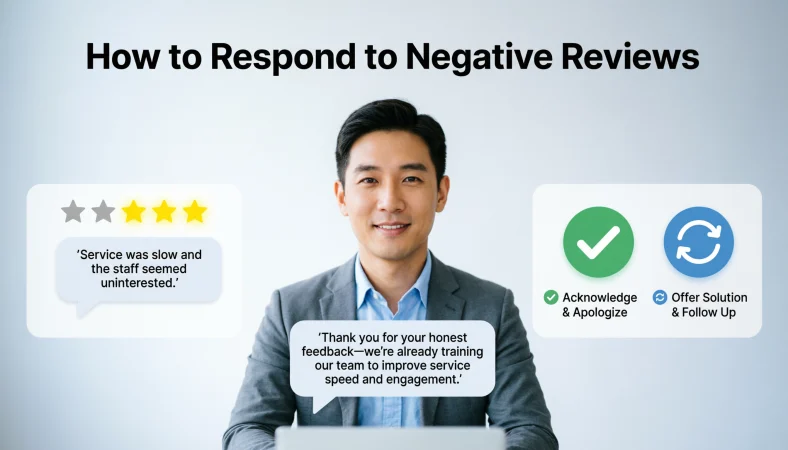
Quick Answer: A negative review response should acknowledge the customer’s experience, stay calm, avoid defensiveness, and show that you genuinely want to improve the situation. The best reply is professional, human, and focused on finding a practical solution.
Top alternatives: professional negative review response, customer complaint response, bad review response, negative customer feedback response, business review response
A negative review can feel like a tiny storm cloud sitting directly under your business name. Whether it appears on Google, Yelp, Facebook, a website, or another review platform, your response can influence how future customers view your business. A thoughtful reply does more than address one unhappy customer. It shows everyone reading that your business listens, takes feedback seriously, and knows how to handle difficult moments.
Professional Negative Review Responses
“Thank you for sharing your feedback. We’re sorry your experience did not meet expectations.”
Use this when you want a polished response to a dissatisfied customer.
Meaning: It acknowledges the complaint without becoming defensive.
“We appreciate you bringing this matter to our attention.”
Use this when the review identifies a genuine service issue.
Meaning: It shows that the feedback has been noticed and valued.
“We’re sorry to hear that your experience fell short of the standard we aim to provide.”
Use this when maintaining a formal business tone matters.
Meaning: It acknowledges disappointment while reinforcing your service standard.
“Your feedback is important to us, and we’re reviewing what happened.”
Use this when you need time to investigate the complaint.
Meaning: It shows that the issue is being taken seriously.
“We understand your frustration and appreciate the opportunity to address it.”
Use this when a customer is clearly unhappy.
Meaning: It recognizes their feelings while opening the door to resolution.
“We’re committed to learning from feedback like this.”
Use this when you want to show a willingness to improve.
Meaning: It frames criticism as an opportunity for growth.
“We regret that we did not deliver the experience you expected.”
Use this for a formal response to a service complaint.
Meaning: It accepts responsibility for the customer’s disappointing experience.
“We would appreciate the opportunity to understand what went wrong.”
Use this when more details are needed.
Meaning: It invites constructive communication.
“Thank you for taking the time to let us know about your experience.”
Use this when responding to a detailed negative review.
Meaning: It remains courteous even when the feedback is critical.
“We take concerns about our service seriously.”
Use this when the review involves a significant complaint.
Meaning: It signals that the business is paying attention.
“We’re reviewing your concerns with the appropriate team.”
Use this when several employees or departments may be involved.
Meaning: It communicates that the matter is being investigated.
“We hope to have the opportunity to provide a better experience in the future.”
Use this when ending a professional response positively.
Meaning: It leaves the relationship open for improvement.
Polite Negative Review Responses
“We’re sorry to hear that you weren’t satisfied with your experience.”
Use this for a straightforward customer complaint.
Meaning: It acknowledges dissatisfaction politely.
“Thank you for letting us know.”
Use this when you want a short and respectful response.
Meaning: It shows that the feedback has been received.
“We understand why this situation was frustrating.”
Use this when the customer expresses clear disappointment.
Meaning: It validates the customer’s frustration without arguing.
“We appreciate your honesty.”
Use this when the review provides useful criticism.
Meaning: It recognizes the customer’s willingness to share feedback.
“We’re sorry that we missed the mark this time.”
Use this when the business made a service mistake.
Meaning: It accepts that the experience was below expectations.
“Your feedback gives us something important to review.”
Use this when you want to respond constructively.
Meaning: It shows that criticism can lead to improvement.
“We’d be happy to look into this further.”
Use this when the situation needs additional investigation.
Meaning: It invites the customer to provide more information.
“We appreciate you giving us the chance to address your concerns.”
Use this when moving toward a private resolution.
Meaning: It keeps the tone respectful and solution-focused.
“We’re disappointed to hear that your visit didn’t go as planned.”
Use this when a customer describes a poor experience.
Meaning: It expresses concern without sounding argumentative.
“We value your feedback and take it seriously.”
Use this when the complaint highlights a possible recurring issue.
Meaning: It communicates genuine attention.
“Thank you for giving us an opportunity to improve.”
Use this when responding to constructive criticism.
Meaning: It turns a negative interaction toward improvement.
“We hope we can earn back your confidence.”
Use this when the customer appears willing to reconsider the business.
Meaning: It communicates a desire to rebuild trust.
Empathetic Negative Review Responses
“We can understand why you left feeling disappointed.”
Use this when the review describes a frustrating experience.
Meaning: It acknowledges the emotional impact of the problem.
“We’re genuinely sorry that this experience caused frustration.”
Use this when the customer sounds particularly upset.
Meaning: It expresses empathy without making unnecessary excuses.
“That’s not the experience we wanted you to have.”
Use this when service fell below expectations.
Meaning: It separates the intended experience from what actually happened.
“We hear your concern, and we understand why it matters.”
Use this when the complaint involves an important customer expectation.
Meaning: It demonstrates active understanding.
“We’re sorry we made what should have been a simple experience more difficult.”
Use this when the customer faced unnecessary inconvenience.
Meaning: It recognizes the burden created by the business.
“Your frustration is understandable.”
Use this when the complaint is reasonable and clearly explained.
Meaning: It validates the customer’s emotional response.
“We know your time is valuable, and we’re sorry this experience took more of it than expected.”
Use this when delays or service problems affected the customer.
Meaning: It shows empathy for the customer’s inconvenience.
“We’re sorry this situation left you feeling unheard.”
Use this when communication was part of the complaint.
Meaning: It acknowledges a breakdown in customer care.
“We understand that an apology alone doesn’t fix the inconvenience.”
Use this when a meaningful service failure occurred.
Meaning: It shows awareness that action matters too.
“We appreciate you explaining what happened from your perspective.”
Use this when details are important to understanding the complaint.
Meaning: It encourages respectful dialogue.
“We’re sorry the experience created more stress than it should have.”
Use this when the customer describes an especially frustrating situation.
Meaning: It recognizes the emotional burden.
“We want customers to feel respected, heard, and taken care of.”
Use this when responding to a complaint about treatment.
Meaning: It reinforces customer-care values.
Short And Simple Negative Review Responses
“We’re sorry to hear this.”
Use this when you need a concise public response.
Meaning: It acknowledges the customer’s disappointment.
“Thank you for the feedback.”
Use this when you want a neutral response to criticism.
Meaning: It confirms that the review has been noticed.
“We’ll look into this.”
Use this when the complaint requires investigation.
Meaning: It communicates that action is being considered.
“We apologize for the inconvenience.”
Use this when the customer experienced a service problem.
Meaning: It offers a direct apology.
“We appreciate you letting us know.”
Use this when the review identifies an issue.
Meaning: It shows openness to feedback.
“We’re sorry we missed the mark.”
Use this when the experience did not meet expectations.
Meaning: It accepts that the business fell short.
“We’d like to make this right.”
Use this when a resolution may be possible.
Meaning: It signals a willingness to repair the situation.
“We take this feedback seriously.”
Use this when the review raises a meaningful concern.
Meaning: It reassures readers that the complaint matters.
“We’re reviewing what happened.”
Use this when facts still need to be checked.
Meaning: It avoids making assumptions.
“We appreciate your honesty.”
Use this when the customer has given direct criticism.
Meaning: It responds respectfully to negative feedback.
“We hope to do better next time.”
Use this when ending a short response positively.
Meaning: It communicates a desire to improve.
“Please reach out so we can learn more.”
Use this when the public review lacks enough detail.
Meaning: It invites private communication.
Calm Responses To Angry Reviews
“We understand that you’re frustrated, and we’d like to help.”
Use this when a review contains strong emotional language.
Meaning: It lowers the temperature while offering assistance.
“We’re sorry the experience left you feeling this way.”
Use this when the customer is visibly angry.
Meaning: It acknowledges emotion without arguing.
“We’d rather work toward a solution than debate your experience.”
Use this when a review becomes confrontational.
Meaning: It shifts attention toward resolution.
“We hear your concerns.”
Use this when the customer wants to feel acknowledged.
Meaning: It communicates that their complaint has been heard.
“Let’s focus on what we can do to address this.”
Use this when the complaint needs a practical solution.
Meaning: It redirects the discussion toward action.
“We’re happy to review the details with you.”
Use this when the customer’s version needs further investigation.
Meaning: It invites a calmer conversation.
“We don’t want you to feel ignored.”
Use this when the customer says nobody responded.
Meaning: It recognizes the importance of communication.
“We appreciate you explaining your concerns.”
Use this when the review is strongly worded but contains useful information.
Meaning: It keeps the response respectful.
“We understand that this was frustrating.”
Use this when you want a calm and simple response.
Meaning: It validates the emotion without escalating.
“We’re taking your comments seriously.”
Use this when the customer raises a significant complaint.
Meaning: It communicates attention and responsibility.
“We’d like the opportunity to understand the situation fully.”
Use this when more context is required.
Meaning: It avoids jumping to conclusions.
“We hope we can turn this experience into a better one.”
Use this when ending a tense response on a constructive note.
Meaning: It expresses willingness to improve.
Honest And Transparent Responses
“You’re right that we could have handled this better.”
Use this when the business clearly made a mistake.
Meaning: It accepts responsibility directly.
“We made a mistake, and we’re sorry.”
Use this when the facts clearly support the complaint.
Meaning: It provides a straightforward apology.
“We didn’t meet the standard we set for ourselves.”
Use this when service quality was below expectations.
Meaning: It takes ownership without blaming others.
“We should have communicated more clearly.”
Use this when poor communication caused the issue.
Meaning: It identifies a specific area for improvement.
“We understand where we fell short.”
Use this when the complaint identifies a clear service failure.
Meaning: It demonstrates accountability.
“We’re reviewing our process so this can be handled better.”
Use this when the problem resulted from an internal process.
Meaning: It shows a commitment to practical improvement.
“We don’t want to make excuses for what happened.”
Use this when the business needs to accept responsibility.
Meaning: It signals a sincere approach.
“This should have been handled differently.”
Use this when the service experience was clearly inadequate.
Meaning: It acknowledges the need for better handling.
“We understand that our explanation does not erase the inconvenience.”
Use this when context needs to be provided without minimizing the problem.
Meaning: It balances explanation with accountability.
“We’re using this feedback to review what needs to change.”
Use this when the complaint reveals a process problem.
Meaning: It turns criticism into an improvement opportunity.
“We appreciate you pointing out an area where we can improve.”
Use this when the review provides actionable criticism.
Meaning: It responds positively to useful feedback.
“We’re committed to doing better.”
Use this when closing an honest apology.
Meaning: It expresses responsibility and future intent.
Creative Negative Review Responses
“Feedback may sting, but it can also show us where the cracks are.”
Use this for a thoughtful brand voice.
Meaning: It presents criticism as a chance to identify weaknesses.
“Not our favorite review, but definitely one worth reading.”
Use this when your brand has a friendly personality.
Meaning: It shows that you are willing to face criticism.
“We missed the mark, and we’re taking notes.”
Use this when acknowledging a genuine mistake.
Meaning: It combines accountability with a modern tone.
“Every review tells a story, and we’re listening to yours.”
Use this when you want a warmer brand response.
Meaning: It emphasizes attentive customer care.
“Consider this feedback officially on our radar.”
Use this when the issue is being reviewed internally.
Meaning: It reassures the customer that the concern has been noticed.
“We’d rather turn feedback into progress than let it sit there.”
Use this when responding to constructive criticism.
Meaning: It communicates an action-oriented attitude.
“That experience missed the vibe we want customers to have.”
Use this for a casual lifestyle or hospitality brand.
Meaning: It expresses disappointment in a relatable way.
“One unhappy review can teach a team a lot.”
Use this when the complaint contains useful lessons.
Meaning: It frames criticism as valuable learning.
“We’re taking this one back to the drawing board.”
Use this when reviewing a process or service problem.
Meaning: It suggests the business is reconsidering its approach.
“The goal is five-star service, so this one got our attention.”
Use this when your business emphasizes customer experience.
Meaning: It acknowledges that the review falls below the desired standard.
“We can’t change the experience, but we can learn from it.”
Use this when the incident cannot be undone.
Meaning: It focuses on future improvement.
“Your feedback just joined our improvement checklist.”
Use this for a friendly brand voice.
Meaning: It shows that the criticism may lead to action.
Friendly Negative Review Responses
“Thanks for being honest with us.”
Use this when the customer gives useful criticism.
Meaning: It creates a warm and approachable tone.
“We’re sorry your experience wasn’t what you hoped for.”
Use this when the complaint is about overall satisfaction.
Meaning: It acknowledges disappointment gently.
“We’d really like to hear more about what happened.”
Use this when additional details could help.
Meaning: It invites the customer to continue the conversation.
“We appreciate you taking the time to share this.”
Use this when responding to a detailed review.
Meaning: It shows respect for the customer’s effort.
“We’re listening.”
Use this when a short but meaningful response is appropriate.
Meaning: It communicates attention.
“We’ll take a closer look at this.”
Use this when the situation needs internal review.
Meaning: It promises consideration without making unsupported commitments.
“We know we can do better.”
Use this when the business accepts a service issue.
Meaning: It shows humility and accountability.
“We’d love the chance to make things better.”
Use this when another interaction may be possible.
Meaning: It invites an opportunity to rebuild trust.
“Thanks for helping us spot where we can improve.”
Use this when the review is constructive.
Meaning: It turns criticism into a positive learning moment.
“We’re sorry this wasn’t the experience you expected.”
Use this when expectations were not met.
Meaning: It acknowledges the gap between expectation and reality.
“We appreciate the heads-up.”
Use this for a casual brand voice.
Meaning: It confirms that the business has received the feedback.
“We hope your next experience feels much better.”
Use this when ending a friendly response.
Meaning: It expresses optimism about future service.
Confident Responses To Unfair Reviews
“We’re sorry you felt disappointed, and we’d be happy to review the details.”
Use this when the review contains claims that need clarification.
Meaning: It remains polite while inviting verification.
“We take every review seriously, including feedback we may not fully understand.”
Use this when the complaint seems unclear.
Meaning: It signals openness without automatically accepting every claim.
“We’d appreciate more information so we can investigate accurately.”
Use this when the review lacks useful details.
Meaning: It asks for evidence without sounding combative.
“Our records may provide additional context, and we’re happy to review them.”
Use this when documentation could clarify the situation.
Meaning: It introduces factual context carefully.
“We want to make sure we understand exactly what occurred.”
Use this when the review contains disputed details.
Meaning: It prioritizes accuracy.
“We’re happy to discuss the situation directly and respectfully.”
Use this when the public exchange is becoming tense.
Meaning: It encourages a more productive conversation.
“We value honest feedback and also want to ensure the details are accurate.”
Use this when responding to potentially incorrect information.
Meaning: It balances openness with factual accuracy.
“We would welcome the opportunity to review your experience further.”
Use this when you need more information before responding substantively.
Meaning: It keeps the tone professional.
“We understand that experiences can differ, and we’d like to understand yours.”
Use this when the review conflicts with typical customer experiences.
Meaning: It acknowledges the customer’s perspective without making accusations.
“We’re committed to addressing genuine concerns while reviewing the facts carefully.”
Use this when the complaint is disputed.
Meaning: It communicates fairness and accountability.
“Please contact our team so we can look into the specific details.”
Use this when private information is needed.
Meaning: It moves the discussion toward a more appropriate channel.
“We believe every concern deserves a thoughtful and accurate response.”
Use this when a public review contains questionable claims.
Meaning: It reinforces professionalism without attacking the reviewer.
Funny And Lighthearted Responses
“Ouch, that review definitely got our attention.”
Use this for a brand with a playful personality.
Meaning: It acknowledges criticism with light humor.
“Okay, we definitely need to talk about this one.”
Use this when the review highlights a surprising issue.
Meaning: It signals that the business is paying attention.
“Not exactly the five-star moment we were hoping for.”
Use this when the experience clearly fell short.
Meaning: It uses gentle humor while acknowledging disappointment.
“We’re adding this one to the ‘things to improve’ folder.”
Use this when the criticism is constructive.
Meaning: It shows that feedback is being taken seriously.
“That was not the customer experience plot twist we wanted.”
Use this for a modern social-media voice.
Meaning: It acknowledges an unexpected service problem.
“Our internal review team just raised an eyebrow.”
Use this when a surprising complaint needs investigation.
Meaning: It humorously signals that the business wants more details.
“We definitely want a better ending to this story.”
Use this when trying to repair a customer relationship.
Meaning: It expresses a desire to resolve the problem.
“Looks like we have some homework to do.”
Use this when the review identifies a genuine weakness.
Meaning: It shows willingness to improve.
“That review was a little too honest for our comfort, but we’re listening.”
Use this when your brand voice is playful.
Meaning: It acknowledges criticism without dismissing it.
“We’d prefer five stars, but we’ll take the lesson.”
Use this when the review offers useful criticism.
Meaning: It accepts feedback while keeping the tone light.
“Consider us officially taking notes.”
Use this when responding to a specific complaint.
Meaning: It suggests the business is paying attention.
“Okay, message received.”
Use this when the customer has made their concern very clear.
Meaning: It confirms that the criticism has been heard.
Constructive Negative Review Responses
“Thank you for identifying this issue.”
Use this when the review points to a specific weakness.
Meaning: It recognizes actionable feedback.
“We’ll use this feedback to review our process.”
Use this when an internal procedure may need improvement.
Meaning: It connects the complaint to future action.
“Your comments highlight an area where we can improve.”
Use this when the criticism is specific and useful.
Meaning: It identifies feedback as an opportunity.
“We appreciate the specific details you provided.”
Use this when the customer explains exactly what went wrong.
Meaning: It shows that detailed criticism is valuable.
“We’re looking at how this happened and what can be changed.”
Use this when investigating a process issue.
Meaning: It communicates both investigation and improvement.
“Feedback like this helps us identify gaps in the customer experience.”
Use this in a professional response.
Meaning: It explains why criticism can be useful.
“We’ll share your comments with the appropriate team.”
Use this when another department handles the issue.
Meaning: It communicates that the feedback is being passed along.
“We appreciate the opportunity to improve our process.”
Use this when the review exposes a recurring weakness.
Meaning: It frames criticism constructively.
“We’re reviewing how we can prevent this from happening again.”
Use this when the problem appears avoidable.
Meaning: It focuses on prevention.
“Your feedback gives us a clear area to work on.”
Use this when the complaint is specific.
Meaning: It demonstrates that the review produced a practical takeaway.
“We’re committed to making improvements where they are needed.”
Use this when responding to meaningful criticism.
Meaning: It communicates ongoing responsibility.
“Thank you for helping us see the experience from a customer’s perspective.”
Use this when the review provides valuable insight.
Meaning: It recognizes the customer’s viewpoint.
Responses For Service Mistakes
“We’re sorry. We should have handled this better.”
Use this when the business clearly made an error.
Meaning: It accepts responsibility directly.
“We apologize for the mistake and the inconvenience it caused.”
Use this when an error affected the customer.
Meaning: It acknowledges both the mistake and its impact.
“This was not the level of service we intended to provide.”
Use this when service quality fell below expectations.
Meaning: It separates the mistake from the intended standard.
“We understand how this could have been frustrating.”
Use this when an error created inconvenience.
Meaning: It acknowledges the customer’s emotional response.
“We’ve reviewed the issue and are working on a better process.”
Use this when corrective action has begun.
Meaning: It communicates that the business is learning from the problem.
“We should have communicated this more clearly.”
Use this when unclear information caused the issue.
Meaning: It accepts responsibility for poor communication.
“We’re sorry we made the situation more difficult than necessary.”
Use this when the business created avoidable inconvenience.
Meaning: It shows empathy and accountability.
“Thank you for giving us the opportunity to correct this.”
Use this when the customer is willing to continue working with the business.
Meaning: It expresses appreciation for another chance.
“We understand your expectations were reasonable.”
Use this when the business clearly failed to meet a normal service standard.
Meaning: It validates the customer’s expectations.
“We’re taking steps to improve how this is handled.”
Use this when a process needs correction.
Meaning: It communicates practical improvement.
“We appreciate your patience while we review what happened.”
Use this when an investigation is still underway.
Meaning: It asks for patience without dismissing the concern.
“We hope to earn another opportunity to serve you properly.”
Use this when closing a sincere apology.
Meaning: It expresses a desire to rebuild the relationship.
Smart And Strategic Responses
“A negative review is public feedback, so the response should help everyone reading it.”
Use this when training a customer service team.
Meaning: It recognizes that responses affect more than one reviewer.
“Respond to the concern, not the emotion.”
Use this when a review is strongly worded.
Meaning: It encourages calm and focused communication.
“Keep the public reply brief and move sensitive details to private communication.”
Use this when resolving a complaint that involves personal information.
Meaning: It protects privacy while keeping the public response useful.
“Acknowledge the experience before explaining the circumstances.”
Use this when the business needs to provide context.
Meaning: It prioritizes empathy before explanation.
“Never let a defensive sentence become the headline.”
Use this when writing a public business response.
Meaning: It encourages careful wording.
“Specific apologies feel more genuine than generic ones.”
Use this when creating a response to a service failure.
Meaning: It encourages relevant and personalized language.
“If the facts are unclear, investigate before making promises.”
Use this when responding to a disputed complaint.
Meaning: It prevents premature commitments.
“Show readers that feedback leads somewhere.”
Use this when a business wants to demonstrate improvement.
Meaning: It encourages action-oriented responses.
“Keep the tone human, even when the complaint is difficult.”
Use this when responding to emotional reviews.
Meaning: It prevents the reply from sounding scripted.
“A calm response can say more about a business than a perfect review.”
Use this when discussing reputation management.
Meaning: It highlights the value of handling criticism professionally.
“Do not turn the response into a public argument.”
Use this when a reviewer is confrontational.
Meaning: It protects the business from unnecessary escalation.
“The goal is resolution, not winning the comment section.”
Use this when a negative review attracts attention.
Meaning: It keeps the focus on customer experience rather than debate.
Clever Responses For Different Situations
“We appreciate the feedback, and we’re looking at the details behind it.”
Use this when you need a flexible response to an unclear complaint.
Meaning: It acknowledges the review without making assumptions.
“We’re sorry the experience missed your expectations, and we’d like to understand why.”
Use this when the reason for dissatisfaction is unclear.
Meaning: It combines empathy with curiosity.
“Your review gives us a chance to look at the experience from another perspective.”
Use this when the criticism offers a different viewpoint.
Meaning: It encourages learning.
“We can’t change what happened, but we can improve what happens next.”
Use this when the original experience cannot be reversed.
Meaning: It focuses on future action.
“The best response to feedback is meaningful improvement.”
Use this when writing a thoughtful brand statement.
Meaning: It prioritizes action over empty words.
“We want our response to be more than an apology.”
Use this when the business plans corrective action.
Meaning: It communicates that improvement matters.
“We’re listening first, investigating second, and improving from there.”
Use this when explaining your approach to complaints.
Meaning: It presents a calm response process.
“We appreciate the review, even when it is difficult to read.”
Use this when acknowledging uncomfortable criticism.
Meaning: It shows openness and maturity.
“A tough review can still contain useful information.”
Use this when the complaint is harsh but specific.
Meaning: It separates tone from useful feedback.
“We’d rather learn from the experience than repeat it.”
Use this when a complaint identifies an avoidable problem.
Meaning: It emphasizes prevention.
“We’re focused on understanding the issue, not defending every detail.”
Use this when the review is complicated.
Meaning: It places learning ahead of argument.
“Thank you for giving us something meaningful to work on.”
Use this when criticism reveals a clear improvement opportunity.
Meaning: It responds with appreciation and accountability.
FAQs
What Does “Negative Review Response” Mean?
A negative review response is a public or private reply from a business to a customer who has shared criticism, dissatisfaction, or a complaint.
Why Is A Negative Review Response Important?
It shows future customers how the business handles criticism, mistakes, and difficult customer experiences.
What Should A Professional Negative Review Response Include?
A strong response usually acknowledges the concern, remains respectful, avoids defensiveness, and offers a reasonable next step.
Should You Apologize To Every Negative Review?
Not necessarily. If the business clearly made a mistake, a direct apology is appropriate. If the facts are unclear or disputed, acknowledge the customer’s experience and investigate before accepting specific claims.
What Should You Say If You Do Not Agree With The Review?
Stay calm and avoid arguing publicly. Thank the reviewer for the feedback, clarify factual points when necessary, and invite them to discuss the details privately.
Can A Negative Review Response Be Funny?
Yes, but humor should match your brand and the seriousness of the complaint. Avoid jokes when the review involves serious harm, sensitive personal matters, or significant distress.
Should You Respond To A Very Angry Review?
Generally, a calm response can be useful. Acknowledge the concern, avoid matching the customer’s tone, and move detailed discussion to a private channel when appropriate.
Should You Offer A Refund In A Public Response?
Avoid publishing sensitive transaction details. You can invite the customer to contact the business privately so the appropriate resolution can be discussed.
What Is A Good Short Negative Review Response?
“Thank you for sharing your feedback. We’re sorry your experience did not meet expectations, and we’d appreciate the opportunity to learn more and address your concerns.”
How Do You Respond To An Unfair Review?
Remain professional, avoid personal attacks, and focus on verifiable facts. If details are disputed, invite the reviewer to provide additional information so the matter can be reviewed accurately.
Should You Delete Negative Reviews?
Businesses generally should not treat honest criticism as something to hide. Reviews that violate a platform’s rules may be reported through the platform’s appropriate process.
How Quickly Should A Business Respond?
A timely response is generally helpful, especially when the issue is significant or the customer needs assistance. The exact timing depends on the business and the nature of the complaint.
Conclusion
A good negative review response can turn an uncomfortable moment into an opportunity to show professionalism, empathy, and accountability. The goal is not to win an argument or write the cleverest comeback. It is to demonstrate that real people are listening and that customer feedback matters.
Whether you choose a short apology, a professional explanation, a warm response, or a more confident clarification, keep the customer’s experience at the center. Remember that future customers are reading too, so every response helps shape your brand’s impression. Save this list, adapt the wording to your business voice, and use the response that fits the situation. Keep it human, keep it respectful, and keep improving.